What Actually Happens on the Other Side of the Goggles: A Patient’s View of a Laser Treatment Room
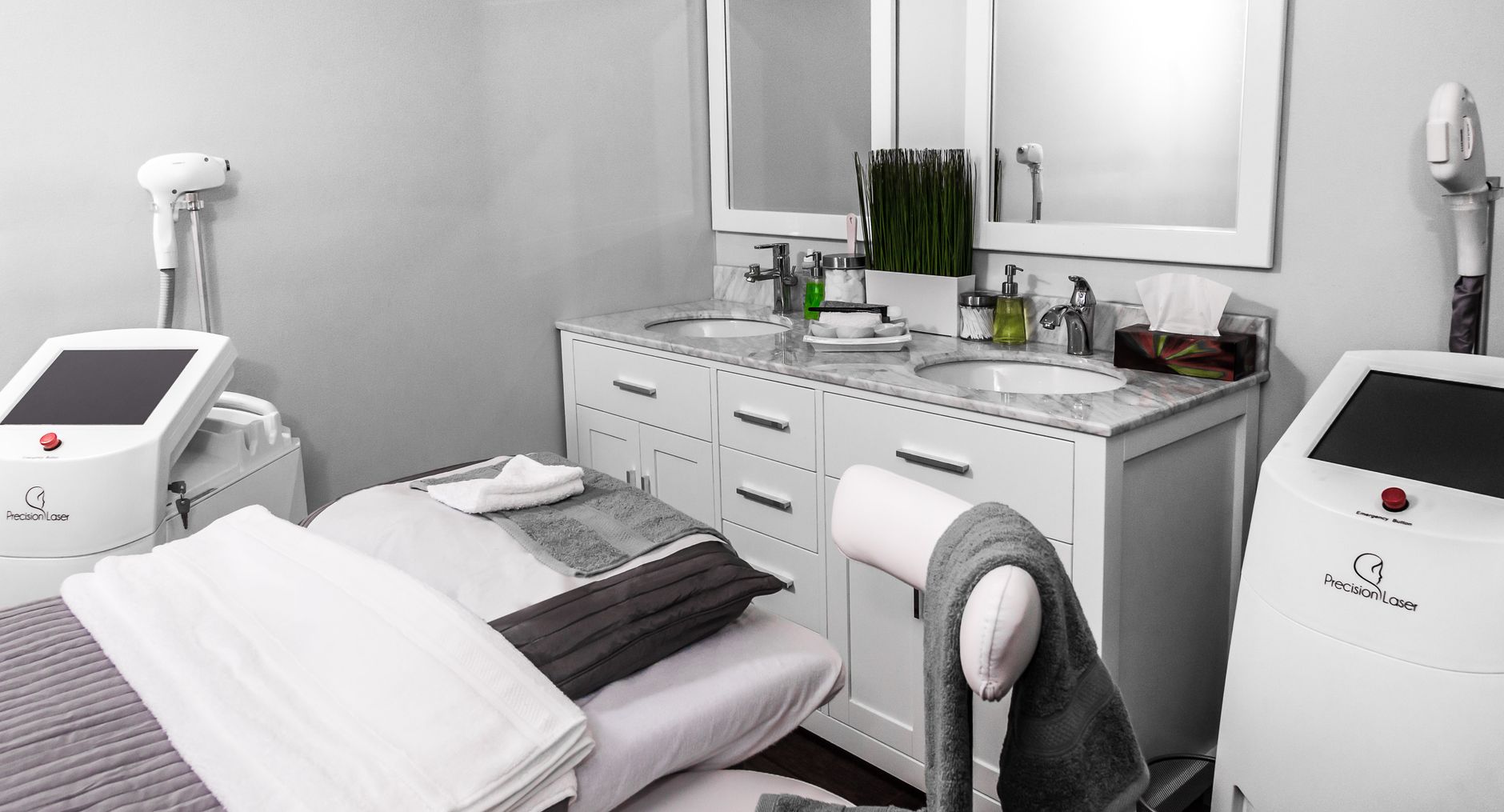
One unshielded second under a cosmetic or medical laser can cost a patient their central vision, and the injury is usually permanent. That’s the stake sitting on the treatment table every time someone lies down for a resurfacing pass or a vascular treatment near the face. Most patients never think about it. They show up, sign the consent form, put on the funny-looking goggles, and trust that the person holding the handpiece knows what the room is supposed to look and sound like.
So what actually happens on the other side of those goggles? Following the visit step by step, starting with the pre-visit email and ending with the follow-up call, makes the safety layer visible in a way a brochure never will.
The Room Has a Job Before the Beam Fires
What you see from the chair is a controlled area, not a plain treatment room. A few things should be true before anything turns on:
- Signage on the door. A warning sign posted on every entrance, so nobody walks in mid-procedure and catches a stray beam.
- Windows covered. Any glass that could pass the wavelength gets blocked.
- Eyewear that matches the laser. Goggles and shields are wavelength-specific. Generic dark glasses are not protection.
- A named operator. One person is running the device. Everyone else in the room, including you, is under their control.
Marking on protective eyewear matters here. Per OSHA’s hospital guidance, laser eyewear should carry both an optical density value and the wavelength it’s rated for. If you can, glance at the inside of the goggles before they go on.
The Beam Is Live: What the Next Few Minutes Should Feel Like
Once the laser is armed, the choreography tightens. Goggles or metal eye shields stay on the entire time the device can fire, not only during the passes. The operator confirms settings out loud, keeps a foot off the pedal between pulses, and pauses if you move.
You may notice a small vacuum near the treatment site. That’s smoke evacuation, and it exists because the plume from ablated tissue is not harmless air. If the operator asks you to hold still or breathe through your nose, follow it exactly. Sudden movement near the face is where a lot of avoidable injuries start.
The Safety Layer Continues After the Laser Powers Down
Post-procedure instructions are part of the treatment, not an afterthought. Cooling, sun protection, and a realistic timeline for redness or crusting all reduce the chance of pigment changes and scarring showing up weeks later.
One patient-safety point is worth carrying with you. In a review of dermatologic laser eye injuries, most direct ocular injuries involved improper eye protection, and in nearly all of those cases the person hurt was the patient. That’s the strongest argument for asking questions before the goggles go on rather than after.
If you want to see what the training side of this looks like, the coursework operators complete covers the same controls you’re watching from the chair: eyewear selection, controlled-area setup, plume management, and what to do when something doesn’t go to plan.
Knowing the room has been built around those steps is what makes lying down under a beam a reasonable thing to do.