What Triple-Glazed Windows Actually Do for a Home's Value and Comfort
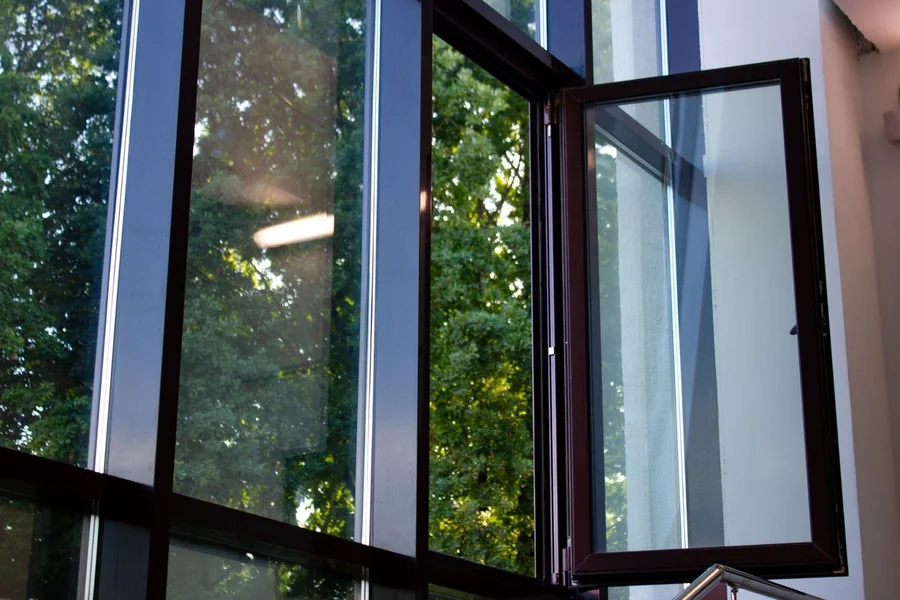
Windows rarely make anyone’s list of exciting home features, right up until a home inspection flags them, a winter heating bill spikes, or a buyer walks through and notices the draft near the living room glass. For homeowners weighing a window upgrade, and for agents fielding questions from buyers about older housing stock, triple glazing has moved from a niche European standard to a genuinely mainstream consideration in North American markets.
The Basic Difference Between Double and Triple Glazing
Most homes built in the last few decades have double-pane windows, two layers of glass with a sealed, insulating gap between them. Triple glazing simply adds a third pane, creating two insulating gaps instead of one. That extra layer changes the window’s thermal performance meaningfully rather than marginally.
According to the U.S. Department of Energy, windows make up a relatively small share of a home’s exterior surface but are responsible for a disproportionate amount of heat loss, and the agency has actively funded research into next-generation triple-pane windows specifically because of how much they can cut that loss. The research also points to a side benefit that matters to a lot of buyers: reduced outside noise, which is a real selling point for homes near busy streets or urban corridors.
Why This Matters More in Certain Markets Than Others
Triple glazing isn’t a universal upgrade with the same payoff everywhere. In colder climates, where heating costs dominate a home’s energy bill for a large part of the year, the extra insulating layer pays for itself faster through lower gas or electric bills. In milder or warmer regions, the calculation shifts, and the value leans more toward noise reduction and consistent indoor temperatures than dramatic energy savings.
This is worth flagging to buyers directly. A triple-glazed window in a home for sale in a northern market is a genuine value-add worth mentioning in a listing. In a warmer region, it’s still a nice feature, just not the same financial argument.
What to Verify Before Trusting the Claim
Not every window marketed as “high performance” delivers the same results, and the specific numbers matter more than the marketing language. Windows and doors certified under the ENERGY STAR program are independently tested and rated against U.S. Environmental Protection Agency efficiency standards for specific climate zones, which gives buyers and agents a way to verify performance claims rather than relying on a seller’s word alone. When a listing or renovation quote mentions triple glazing, it’s worth asking for the actual U-factor and energy rating rather than taking the pane count as the whole story.
The Return on Investment Conversation
For sellers weighing whether a window upgrade is worth the cost before listing, the honest answer is that it depends on the home’s current condition and the buyer pool in that market. Homes with visibly aging or drafty windows tend to draw inspection concerns and negotiating leverage from buyers, regardless of the rest of the home’s condition. Replacing them ahead of a sale can preempt that conversation entirely, and buyers researching the difference tend to land on the same conclusion once they understand what’s actually changing. A detailed breakdown of the advantages of triple glazed windows lays out the performance case in more technical depth for anyone comparing options before a renovation or a listing decision.
For buyers, triple glazing in a home they’re already considering is a reasonable point in its favor, though it shouldn’t be treated as a substitute for a full inspection of the rest of the building envelope, insulation, and HVAC system.
A Practical Note for Agents
Windows are one of those features that buyers notice emotionally before they understand technically. A drafty room reads as “this house is old and needs work,” even when the rest of the home is in excellent shape. Being able to explain the difference between glazing types, and point to independent standards rather than a seller’s claim, helps agents have a more credible conversation with buyers who are trying to separate genuine upgrades from cosmetic ones.
The Bottom Line
Triple glazing isn’t a dramatic renovation the way a kitchen remodel is, but it’s a durable, verifiable upgrade that shows up in comfort, noise levels, and utility bills for as long as the windows are in place. For sellers in colder markets, it’s worth considering ahead of a listing. For buyers, it’s worth asking about directly, with the actual performance numbers in hand rather than the pane count alone.