Your Seasonal Plumbing Maintenance Checklist: Keep Your Plumbing in Shape Year-Round
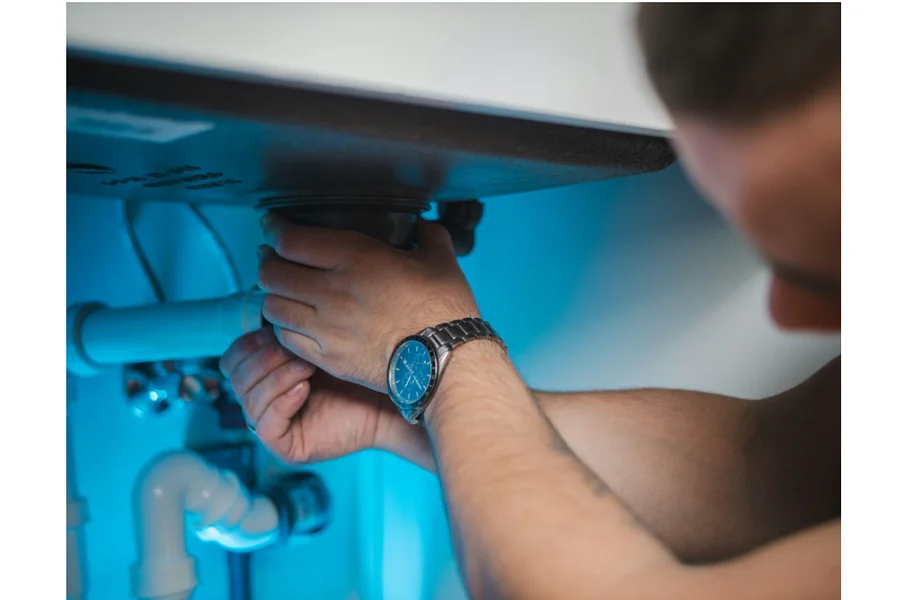
Small checks throughout the year can prevent water damage, reduce waste, and make household plumbing more dependable when temperatures and routines change.
Your plumbing system works year-round, but the problems it faces can change with the seasons. Winter brings freezing temperatures and the risk of frozen pipes. Spring can reveal leaks or drainage issues after months of cold weather. Summer means greater demand on outdoor plumbing, while fall is the time to prepare pipes, hoses, and exterior fixtures for the cold ahead.
Many plumbing problems also develop quietly between seasons. A small leak, slow drain, aging supply line, or loose connection may be easy to overlook until changing temperatures or increased water use turn it into a much bigger problem.
That’s why plumbing maintenance is easier when it follows the calendar. Instead of waiting for something to go wrong, a few simple checks throughout the year can help you catch problems early and keep your plumbing ready for whatever the next season brings.
The EPA WaterSense home maintenance guide recommends regular attention to leaks, water pressure, hot-water systems, toilets, faucets, appliances, and outdoor water features. Here’s how to work those checks naturally into each season:
Spring: See How Your Plumbing Made It Through Winter
When the weather finally starts to warm up, your plumbing deserves a quick once-over. Months of freezing temperatures can be hard on pipes and outdoor plumbing, and some winter damage may not become obvious until spring.
Start with a walk around the house. Take a look under sinks, around toilets, in the basement, and anywhere else you can easily see your pipes. Keep an eye out for new water stains, damp spots, corrosion, or anything else that looks different from the last time you checked.
As you start using your outdoor taps again, watch for dripping or leaking around the connection. If you have sprinklers or an irrigation system, give everything a test before setting your regular watering schedule. A cracked line or damaged sprinkler head is much easier to deal with before you’re relying on it every day.
Spring is also a good time to take a look at your water bill. If your household habits haven’t changed but your water use suddenly has, a hidden leak could be the reason.
Summer: Keep Up With Extra Water Use
Summer can be a busy season for your plumbing. Between watering the garden, running sprinklers, filling pools, washing more clothes and having guests over, many households use considerably more water than they do during the rest of the year.
Take a few minutes every so often to check outdoor hoses, taps, sprinklers, and pool connections for leaks. Even a small drip can add up when you’re using that equipment day after day.
Inside, pay attention to the plumbing that is working overtime too. If a faucet or shower suddenly has weaker flow, cleaning the aerator or showerhead may be all it needs. It’s also worth checking the hoses connected to your washing machine, dishwasher, toilets, and refrigerator. If you spot cracking, corrosion, bulging, or other obvious wear, don’t wait for the hose to fail before replacing it.
And if you’ve never shown everyone in the house where the main water shutoff is, summer is as good a time as any. Knowing how to stop the water quickly can make a big difference if a pipe or appliance connection ever lets go.
Some problems shouldn’t keep making an appearance season after season. Recurring clogs, unexplained pressure changes, hidden moisture, or unreliable hot water can all be signs that something more is going on. FR Plumbing uses professional diagnostic tools, including leak detection and camera inspections, to help find the source of plumbing problems that aren’t always obvious from the surface.
Fall: Get Your Plumbing Ready for the Cold
Fall is your chance to get ahead of freezing weather rather than scrambling when the first really cold night arrives.
Start outside. Disconnect garden hoses, drain outdoor lines where appropriate, and make sure exterior taps aren’t leaking. Then think about the colder corners of your home. Pipes running through garages, crawl spaces, exterior walls, or other chilly areas may need some extra attention before temperatures drop.
Research from the National Research Council Canada explains that insulation can slow heat loss from exposed water pipes, but it doesn’t create heat. If you have pipes that have frozen before or you’re unsure whether they’re adequately protected, it’s worth addressing them before winter arrives.
Your water heater deserves a quick check too. Cooler weather often means more demand for hot water, so look around the unit for moisture, corrosion, loose connections, or anything else that seems unusual. Follow the manufacturer’s maintenance recommendations, and leave repairs involving electrical components, gas, venting, or pressure-relief devices to a qualified professional.
Winter: Pay Attention When Temperatures Drop
Once freezing weather settles in, the goal is less about maintenance and more about noticing trouble early.
Pay particular attention to plumbing in colder parts of the house. If a faucet suddenly slows to a trickle during a cold snap, don’t ignore it. Reduced water flow can be an early warning that a pipe is beginning to freeze.
A few everyday habits can also help protect vulnerable plumbing. Keep garage doors closed if water lines run through the garage, maintain a consistent indoor temperature, and make sure warm air can reach plumbing beneath sinks located along exterior walls.
If a pipe does freeze, never try to thaw it with an open flame. And don’t assume everything is fine just because the water starts flowing again. Ice can temporarily seal a crack in a pipe, with the leak only becoming apparent as the pipe thaws. Keep an eye on the area and shut off the water if you notice signs of a leak.
A Few Minutes Now Can Save a Bigger Headache Later
Seasonal plumbing maintenance doesn’t have to mean spending an entire Saturday inspecting pipes. Most of it comes down to knowing what’s normal in your home and noticing when something changes.
Maybe it’s a new stain under the sink. A drain that’s taking a little longer to empty. A toilet that suddenly keeps running. Or a water bill that doesn’t quite make sense. These small changes are often your first opportunity to deal with a plumbing problem before it becomes a much less convenient one.
Of course, the point of a seasonal check isn’t to turn every homeowner into a plumber. It’s to spot the things that deserve attention. When a problem keeps coming back, you can’t find where a leak is coming from, or something simply doesn’t look right, having it properly diagnosed can save a lot of guesswork.
That distinction between spotting a problem and understanding what’s causing it is where professional help becomes useful. FR Plumbing provides plumbing repair and diagnostic services for issues ranging from hidden leaks and recurring drain problems to water heater and sewer concerns. Rather than treating the visible symptom alone, the team can identify what’s happening within the plumbing system and recommend the appropriate repair. For homeowners, that can turn something noticed during a quick seasonal check into a problem that’s addressed before the next season puts additional stress on the system.
A quick check as the seasons change can go a long way toward keeping your plumbing dependable year-round — and hopefully keep a plumbing emergency off your seasonal to-do list.