The Real Value of Your Gold (And Why Most People Get Lowballed)
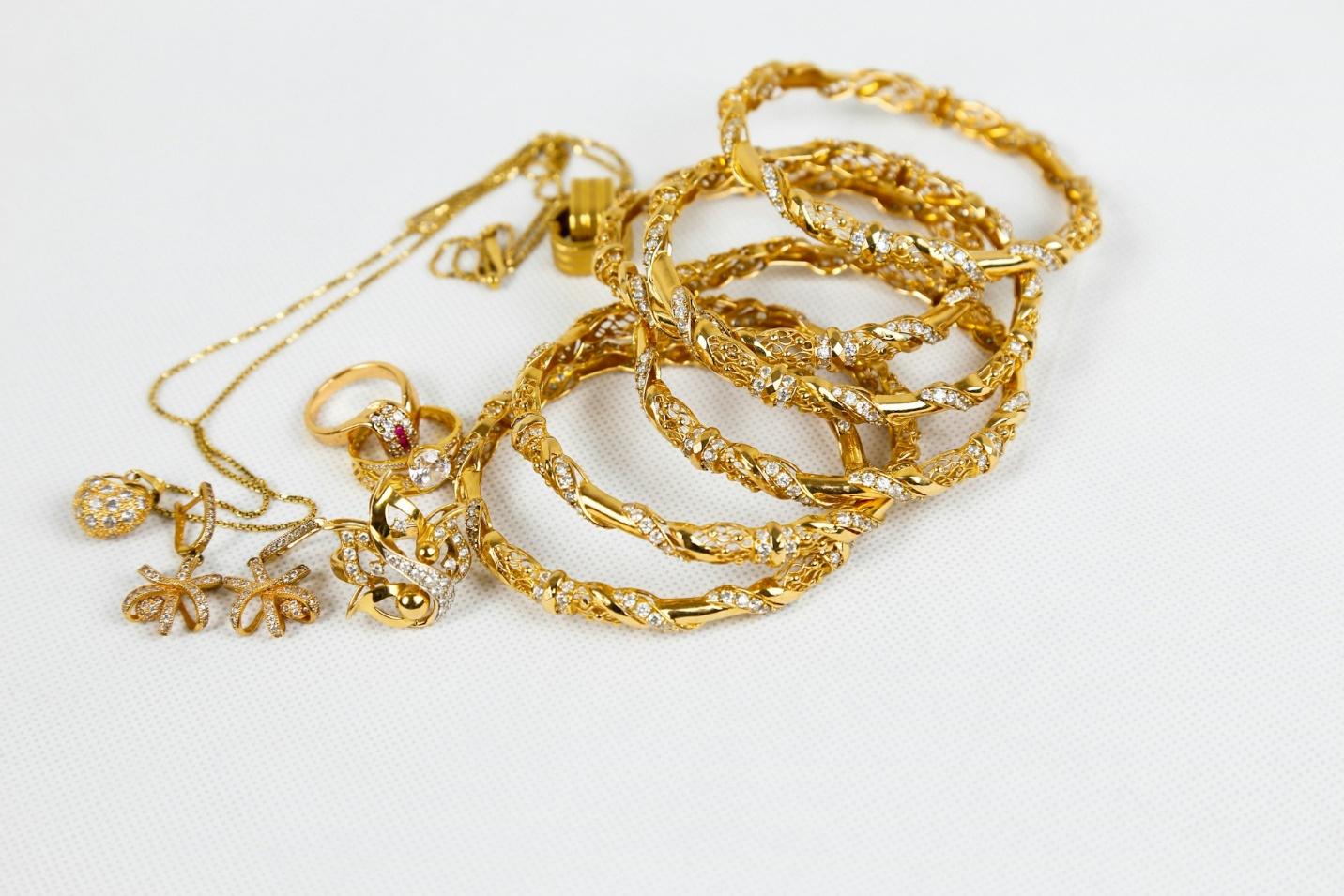
Image by Syed F Hashemi via Unsplash
Selling gold can feel deceptively simple: hand over old jewellery, get an offer close to your expectations, and walk away with money. In reality, the buyer's number may be very different from what the piece was bought for. Understanding what goes into an assessment is key to knowing if the offer is fair or opportunistically low.
Before you accept cash for gold, remember that buyers are purchasing recoverable precious metal, and aren’t paying for sentimental or aesthetic value. The original purchase price included design, craftsmanship, branding, store overhead, and markup. A gold buyer starts with purity, weight, and the market price, then deducts the costs and risks in testing, processing, and reselling the material.
The Karat Stamp Is Only a Starting Point
Pure gold (24K) scratches, bends, and warps easily. Jewellers mix in metals like copper, silver, and zinc to make the piece hard enough for daily wear. For example, 18-karat gold is theoretically 75% gold, while 14-karat gold is about 58.5%. That means a 20-gram bracelet does not contain 20 grams of gold.
The karat stamp on a gold piece can be worn, inaccurate, or limited to only one component. Clasps, solder, springs, stones, and non-gold fittings may affect the payable weight. A buyer tests the item and explains the actual amount of gold it contains.
Spot Price Is Not Your Payout
Gold spot price is the wholesale market price for pure gold, quoted per troy ounce. Estimating an item's gross metal value includes its weight, verified purity, the current spot price, and the unit conversion (from troy ounce to the weight of the gold in the item).
Keep in mind, however, that your offer will be lower because the buyer needs a margin and may pay refining, testing, insurance, and administrative costs. The question is how large that gap is. Ask what spot price is being used, what purity the test showed, and what percentage of the calculated metal value you are being offered.
Details That May Raise the Value
Not every piece should head straight to a refinery. Signed jewellery, antique pieces, collectible coins, and items with gemstones can be worth more intact than their melt value. A metal-only buyer may not have the expertise or channel to recognize that premium.
If your piece appears unusual, research its hallmarks and consider an appraisal from someone who does not intend to buy it. Keep certificates, boxes, and purchase records as proof.
Make a Buyer Show their Work
The strongest protection against a lowball offer is a transparent process. Compare quotes on the same day, since gold prices move, and confirm whether testing happens in front of you. Avoid buyers who don’t identify their scale units or explain their calculations, and find out as much as you can about your gold piece’s physical characteristics. When you know what you own, convenience becomes your choice instead of the buyer's advantage.