Strict Protocols When Teams Watch Active Construction Sites
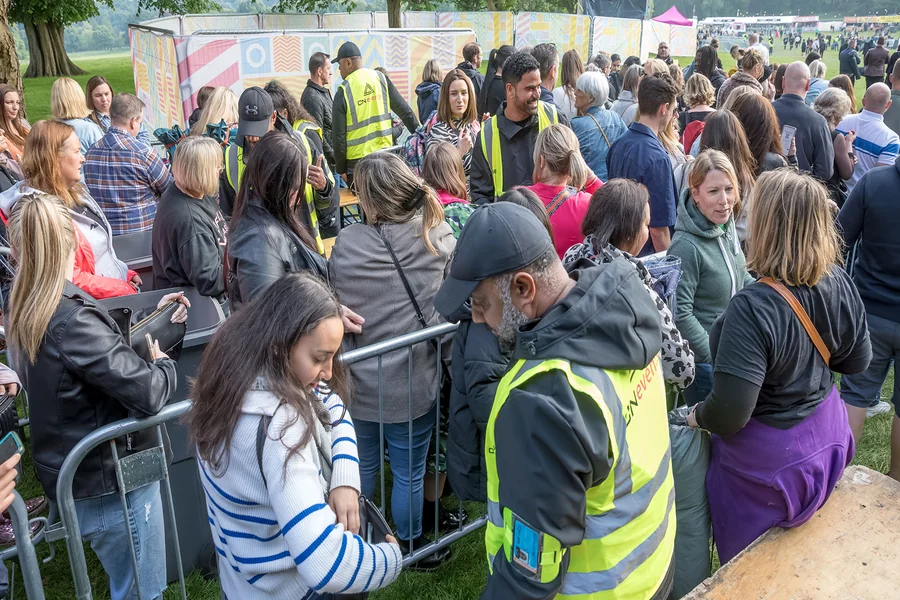
Fresh concrete covers the lower levels while steel frames continue rising above the surrounding work zones. Long before crews arrive for scheduled tasks, safety personnel walk through unfinished sections checking access points, temporary lighting, and storage containers. Near a large renovation project, an unexpected alarm system interruption required a fire watch minneapolis assignment while technicians repaired damaged components. Dust moved through open corridors, welding equipment waited beside structural beams, and the site remained active despite the interruption. Careful observation became part of every movement across the property.
Early Hours Before Equipment Starts Moving
Construction areas feel different before machinery begins operating. Quiet pathways reveal details normally hidden by noise and activity. Temporary barriers lean against unfinished walls. Extension cords stretch across sections waiting for inspection.
A dedicated fire watch patrol reviews these conditions repeatedly. Small observations are recorded immediately. A blocked pathway, damaged connector, or unattended heat source attracts attention long before larger concerns develop.
Several contractors appreciate these routine checks because changing work environments rarely remain predictable from one shift to another.
Standards Behind Every Patrol Assignment
Construction managers frequently reference established safety expectations during active projects. Written procedures guide reporting practices, patrol intervals, and observation requirements throughout temporary system outages.
Documentation remains a major part of every fire watch operation. Notes describe conditions exactly as observed. Patrol records track movement throughout designated zones. Consistency matters because construction sites change constantly throughout active development periods.
- Patrol records document activity across changing construction environments.
- Safety logs track observations near temporary equipment locations.
- Personnel inspect restricted sections before crews enter workspaces.
- Scheduled rounds maintain visibility throughout unfinished structural areas.
Areas Receiving Additional Attention
Welding stations generate regular activity across many construction projects. Temporary electrical systems power tools throughout unfinished sections. Material storage locations change frequently as deliveries arrive and supplies move between levels.
An experienced fire watch team pays close attention to these transitions. Heat-producing operations receive additional observation. Storage arrangements undergo regular review. Access routes remain visible throughout active construction periods.
Heavy activity rarely follows the same pattern from one day to another.
Documentation Beyond Basic Notes
Clipboards filled with handwritten records still appear on many projects, yet digital reporting continues becoming more common. Photos capture conditions immediately. Time-stamped entries create detailed activity histories.
Midway through a structural expansion project, a temporary sprinkler interruption led managers to request a fire watch minneapolis patrol until repairs reached completion. Workers continued assigned tasks while patrol personnel documented changing conditions around affected areas. The process blended naturally into the rhythm of the worksite.
Conditions That Shape Patrol Activity
Construction environments introduce unique circumstances that influence patrol routes and observation priorities.
- Welding operations create temporary heat sources requiring close monitoring.
- Material deliveries alter access routes throughout unfinished sections.
- Equipment movement changes visibility across large construction areas.
- Temporary utilities require additional inspection during active operations.
A professional fire watch presence adapts continuously as construction progress reshapes the surrounding environment.
Communication Between Multiple Work Crews
Patrol personnel relay observations quickly when conditions change. Delays rarely fit the pace of active construction. A loose protective barrier or unusual equipment condition may require immediate attention. Construction sites function through coordination. Observation becomes part of that process.
What Remains Inside Every Patrol Package
Certain responsibilities appear repeatedly regardless of project size or complexity. Reporting, route verification, and observation remain central elements of daily activity.
| Patrol Area | Common Observation | Recorded Action |
| Welding Zones | Residual heat presence | Continued monitoring |
| Material Storage | Relocated supplies | Updated patrol notes |
| Temporary Utilities | Equipment irregularities | Immediate reporting |
| Access Routes | Obstruction concerns | Route documentation |
| Upper Levels | Visibility limitations | Additional inspections |
FAQs
What situations typically require a fire watch assignment?
Temporary alarm outages, system repairs, welding operations, and construction-related safety requirements commonly create the need for patrol coverage.
Why is documentation emphasized during construction projects?
Construction environments change constantly, making detailed records useful for tracking conditions and operational activity.
A final fire watch round reviews each assigned area before reports are completed. Notes receive updates. Observations are checked one last time. Construction projects rarely stay still for long, which makes every patrol feel slightly different from the one before.