Home Security Mistakes That Make Break-Ins Easier
Most break-ins don’t need movie-style planning or sophisticated tools. Burglars often succeed because a property gives them time, cover, or an easy route inside. Small oversights can weaken an otherwise solid security setup, especially when the homeowner relies on a single device and assumes the rest will take care of itself.
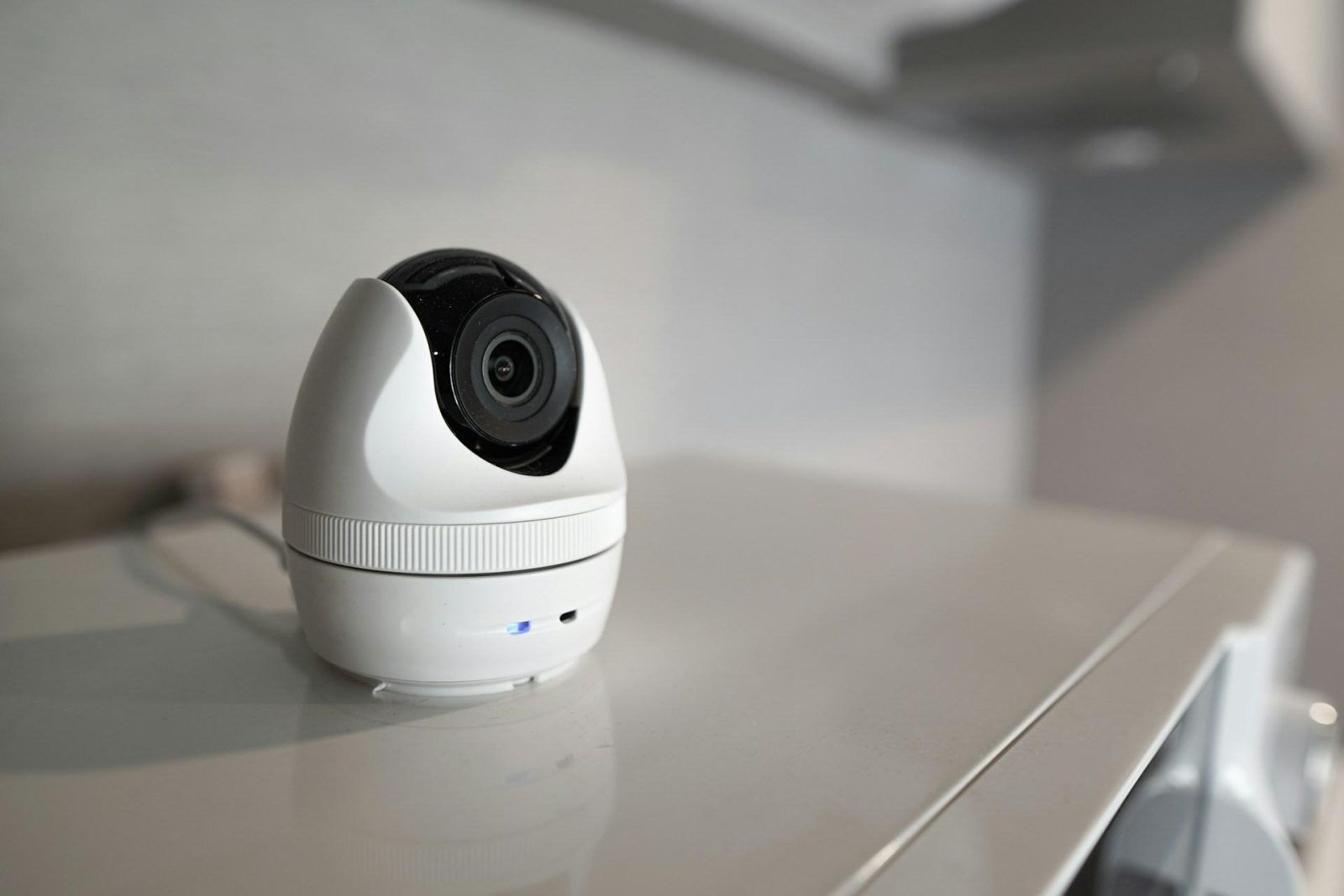
A home security camera system, for example, can discourage opportunistic crime and provide valuable evidence, but placement and configuration determine how useful it really is. Cameras mounted too high may capture the top of a person’s head instead of identifying features. Units aimed at bright lights can produce washed-out footage, while shrubs, decorations, and dirty lenses may block the view. Test daytime and nighttime recordings from every camera, then confirm that faces, doors, and approach paths are clearly visible.
Advertising That Nobody Is Home
Travel posts, piled-up packages, overflowing mail, and lights that never change can signal an empty home. Even a social account limited to friends can expose plans through shared posts or compromised accounts. Save vacation photos until you return, pause deliveries, and ask someone you trust to collect anything left outside. Smart lighting should follow varied, believable schedules rather than switching on at precisely the same time every evening. Check out London Police Service’s home safety vacation tips for more advice.
Leaving Entry Points Convenient
Unlocked doors and windows remain some of the simplest ways into a house. The risk includes side entrances, basement windows, attached-garage doors, and upper-level windows reachable from a porch roof or ladder left outdoors. Make a quick lock check part of your bedtime and departure routine and, in fact, Waterloo Regional Police recommend keeping windows and doors locked even when you’re home.
Reinforce weak door frames with longer screws and quality strike plates, and ensure sliding doors can’t be lifted or forced off their tracks.
Hiding Keys in Familiar Places
A spare key under the mat, inside a planter, or above the door frame is barely hidden. These are among the first places an intruder may check. Give a key to a trusted neighbour or use a properly installed smart lock with individual access codes. Temporary codes are especially useful for cleaners, contractors, or guests because you can revoke access without replacing a physical lock.
Ignoring Wi-Fi and Account Security
Connected cameras, video doorbells, alarms, and smart locks depend on more than hardware. Reused passwords and outdated firmware can expose devices or prevent important fixes from reaching them. Create a unique password for every security account, enable multifactor authentication, install updates promptly, and secure your router with modern encryption. Check notification settings after app updates so motion alerts and offline-device warnings still reach you.
Creating Blind Spots Around the Property
Tall hedges, dark walkways, and solid fencing can offer privacy to residents and concealment to intruders. Trim vegetation near doors and lower windows, add motion-activated lighting, and keep house numbers visible for emergency responders. Lighting should cover likely approach routes without shining directly into camera lenses or neighbouring windows. Walk around the property after dark to see where someone could move unseen.
Treating Security as a One-Time Task
Security should change as your household, landscaping, devices, and daily routines change. Review the setup twice a year and after renovations, moving furniture, changing internet providers, or adding a pet. Test alarms, replace weak batteries, inspect locks, clean camera lenses, and remove access codes that are no longer needed.
The strongest protection comes from layers that support one another. Good locks slow entry, lighting removes cover, cameras improve awareness, and sensible routines reduce opportunities. Start with a nighttime walk around your home, identify the easiest unnoticed way inside, and fix that weakness first. One practical improvement today can make your property a far less appealing target tomorrow.