How to Choose the Best Primary School for Your Child’s Future
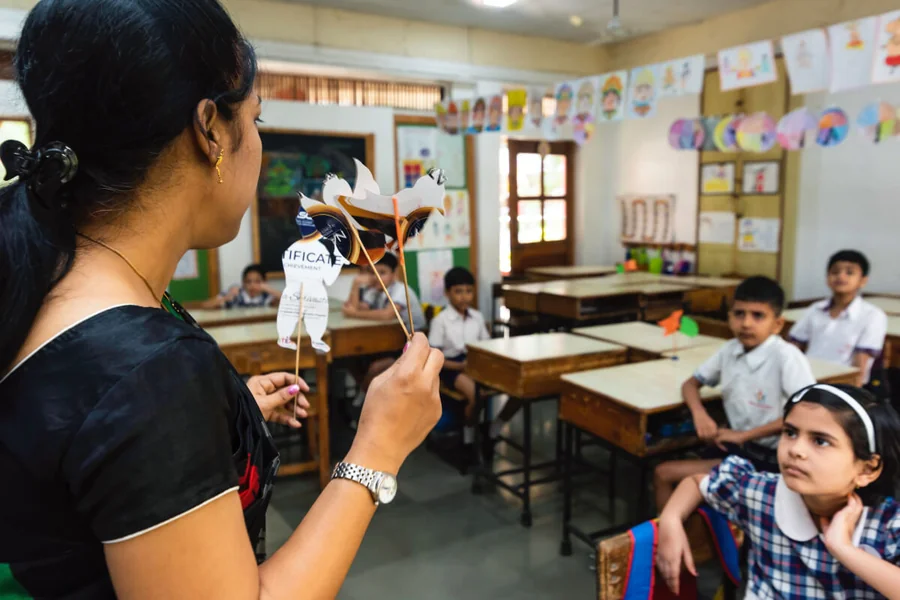
Every parent dreams of giving their child the strongest possible foundation for a successful future. The early years of education shape not only academic abilities but also confidence, curiosity, communication skills, and emotional development. Choosing the right school is one of the most important decisions parents will make, as it influences how children learn, interact, and grow throughout their formative years.
When exploring the best primary schools in Pune, it is essential to look beyond rankings and infrastructure. A truly outstanding primary school nurtures every aspect of a child’s development by creating a safe, engaging, and inspiring learning environment. Understanding what to look for can help parents make an informed decision that benefits their child for years to come.
Understand Your Child’s Learning Needs
Every child is unique, with different interests, strengths, and learning styles. Some children excel in creative activities, while others are naturally curious about science, mathematics, or languages. Before selecting a school, consider your child’s personality and educational needs. Choosing a school that aligns with your child’s individual needs creates a more enjoyable and effective learning experience.
Ask yourself questions such as:
- Does my child learn better through practical activities?
- Does the school encourage creativity and independent thinking?
- Will the teaching style match my child’s pace of learning?
Evaluate the Academic Curriculum
A strong curriculum provides children with the knowledge and skills needed for future academic success. However, education should extend beyond textbooks and examinations. A well-rounded curriculum prepares children for future educational challenges while keeping learning enjoyable and engaging.
Look for schools that balance academics with:
- Critical thinking
- Problem-solving activities
- Communication skills
- Digital literacy
- Creative expression
- Experiential learning
Consider the Quality of Teachers
Teachers play a significant role in shaping young minds. Their ability to encourage curiosity, motivate students, and create meaningful classroom experiences greatly impacts children’s development. Passionate and supportive teachers help children build confidence while developing a lifelong love for learning.
When evaluating schools, consider:
- Teacher qualifications
- Years of teaching experience
- Student-teacher ratio
- Professional development programs
- Classroom engagement techniques
Focus on Safety and Security
Parents should always prioritize their child’s safety when selecting a primary school. A secure environment allows children to learn comfortably while giving parents peace of mind. A school that emphasizes student safety demonstrates its commitment to creating a positive learning environment.
Important safety features include:
- CCTV surveillance
- Secure campus entry systems
- Trained security personnel
- Child-friendly infrastructure
- Emergency response procedures
- Well-maintained classrooms and playgrounds
Explore Co-Curricular Activities
Education should encourage children to discover their talents beyond academics. Co-curricular activities help develop leadership, teamwork, creativity, discipline, and self-confidence. These experiences help children become well-rounded individuals with diverse interests and practical life skills.
Look for schools offering opportunities such as:
- Music and dance
- Visual arts
- Drama
- Sports
- Robotics
- Public speaking
- Science clubs
- Environmental activities
Assess the Learning Environment
A positive classroom atmosphere inspires children to participate actively in learning. Modern classrooms equipped with interactive teaching methods often make education more engaging. Such facilities encourage active participation and make learning enjoyable for young students.
Features of an Effective Learning Environment
An ideal school should provide:
- Bright and spacious classrooms
- Age-appropriate learning resources
- Smart classroom technology
- Reading corners and libraries
- Science and activity labs
- Safe outdoor play areas
Review Communication Between School and Parents
Successful education is built on strong collaboration between parents and educators. Schools that maintain transparent communication help parents stay involved in their child’s progress. Open communication ensures that parents and teachers work together to support each child’s growth.
Look for schools that offer:
- Regular parent-teacher meetings
- Academic progress reports
- Digital communication platforms
- Feedback sessions
- School events involving families
Examine Values and School Culture
Academic excellence is important, but character development is equally valuable. Schools should teach children important life values that prepare them for future responsibilities. These values help children become compassionate, confident, and socially responsible individuals.
A positive school culture promotes:
- Respect
- Honesty
- Responsibility
- Empathy
- Teamwork
- Diversity and inclusion
Check Student Support Services
Every child progresses at a different pace. Some may require additional academic guidance, while others benefit from emotional or behavioral support. Early support ensures children overcome challenges and continue learning with confidence.
A quality primary school should provide services such as:
- Academic mentoring
- Learning support programs
- Counseling services
- Career awareness activities
- Special education assistance where required
Visit the School Before Making a Decision
A school visit offers valuable insights that brochures and websites cannot provide. Walking through the campus allows parents to observe the school’s environment, facilities, and overall atmosphere.
During your visit, pay attention to:
- Classroom interactions
- Student behavior
- Teacher engagement
- Playground safety
- Cleanliness and hygiene
- Library and activity spaces
Speaking with teachers and administrators also provides a better understanding of the school’s educational philosophy and expectations.
Consider Long-Term Growth Opportunities
Primary education lays the groundwork for future academic success. Choosing a school that supports continuous learning helps children transition smoothly into higher grades.
Look for institutions that encourage:
- Independent thinking
- Leadership opportunities
- Innovation
- Global awareness
- Technology integration
- Lifelong learning habits
A forward-thinking educational approach prepares children to adapt confidently to future educational and professional challenges.
Balance Quality with Practical Considerations
While educational quality should remain the priority, practical factors also influence the decision-making process.
Consider aspects such as:
- Distance from home
- Transportation facilities
- School timings
- Fee structure
- Extracurricular opportunities
- Campus infrastructure
Selecting a school that balances educational excellence with convenience helps create a smoother daily routine for both parents and children.
Conclusion
Choosing the right primary school is an investment in your child’s future. A nurturing educational environment supports academic achievement while building confidence, creativity, communication, and essential life skills. Parents should carefully evaluate teaching quality, curriculum, safety, extracurricular opportunities, and school culture before making a decision. Families researching schools at different stages of early education may also explore the top 10 preschool in vadodara to understand how strong foundational learning contributes to long-term academic success and holistic development.
For parents seeking an institution that values both academic excellence and overall child development, Billabong High International School offers a learner-focused approach to education. They encourage students to explore new ideas, develop independent thinking, and build the confidence to overcome challenges. Through supportive guidance, engaging learning experiences, and a commitment to nurturing every child’s potential, they strive to prepare young learners for success in an ever-changing world.