Why Integrated Security Matters for Modern Businesses
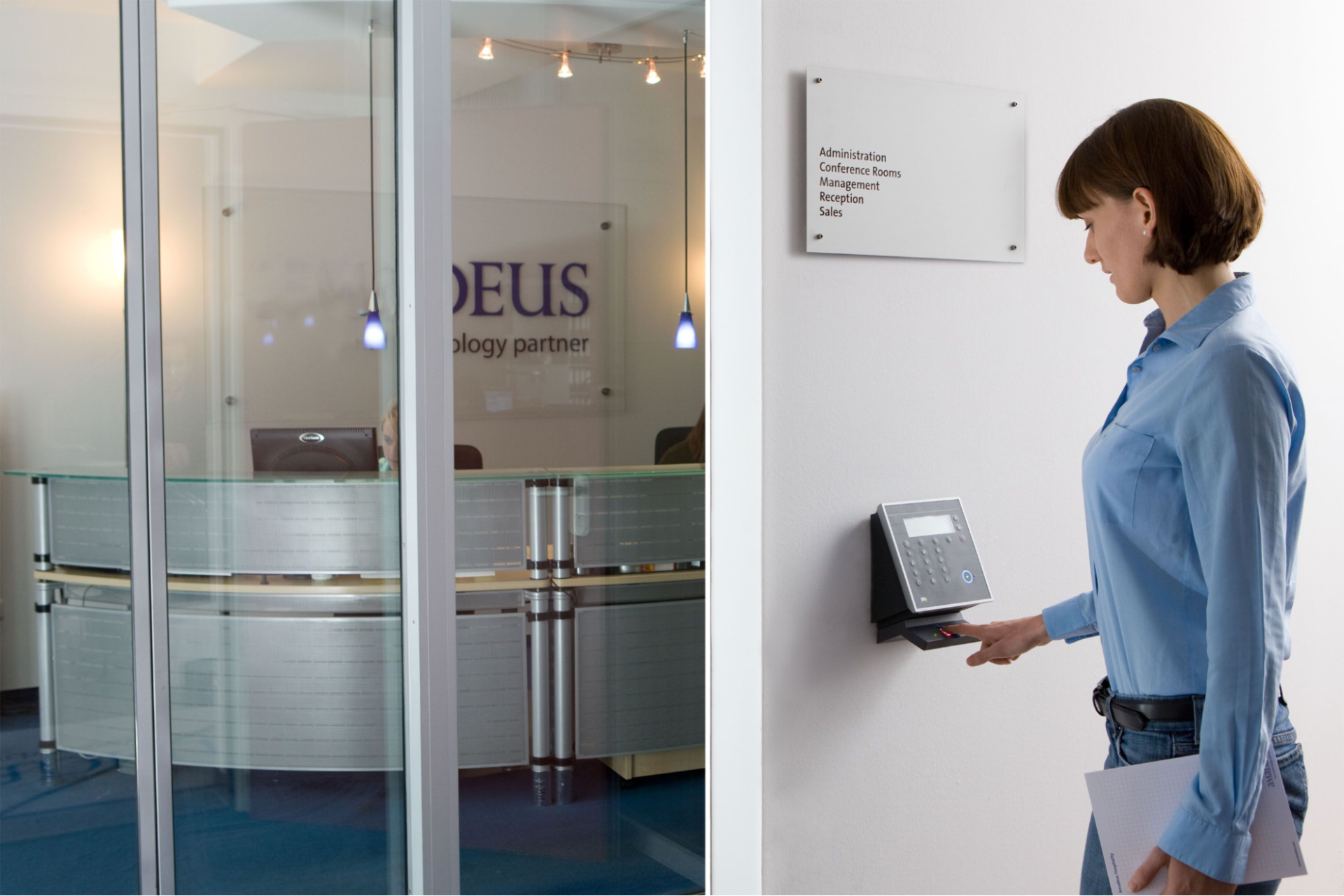
Today's business security extends far beyond locking the doors at the end of the day. Threats have become complex, mixing physical and digital attacks to find weak spots. For a business to be truly secure, its protection systems need to work together. An integrated security approach, where different parts communicate and share information, is no longer optional; it's essential for staying strong and keeping operations running.
The Evolving Threat Landscape
Business threats no longer exist in isolation. A digital attack can help with a physical break-in, and vice versa. For example, a phishing email might trick an employee into giving up login details, which could then not only give network access but also unlock a secure part of a building. On the other hand, a stolen access card could lead an intruder to a server room, where they could cause serious digital damage. This mix of threats means businesses need to use integrated cybersecurity strategies that connect physical and digital security.
Staying ahead means realizing that a simple firewall or a standalone alarm system isn't enough. Criminals are always changing their methods, and businesses must keep up with emerging cybersecurity trends to predict and fight these advanced attacks. The truth is, your video cameras, door access, and network monitoring systems are all protecting the same things. If they aren't working together, you're leaving dangerous gaps in your defenses.
Beyond Traditional Security Measures
For decades, business security meant separate systems that didn't talk to each other. A video system recorded footage, an alarm panel watched sensors, and a set of keys controlled who came in. This disconnected approach is inefficient and slow to react. When something happens, security teams have to gather information from different sources, wasting precious time when every second counts.
Modern security goes beyond these limits by bringing different functions together onto one platform. For example, a modern access control system does more than just let people in or keep them out. When an employee swipes a card, the system can automatically display the nearest camera feed, allowing security personnel to verify the event if needed. If a door is forced open, that same platform can instantly set off an alarm, lock down nearby areas, and send a notification with live video to security staff, giving them a full and immediate view of what's happening.
Benefits of a Unified Approach
Using an integrated security platform offers clear and big advantages over managing many separate systems. The main benefit is a huge improvement in knowing what's going on. Instead of checking multiple screens or logging into different software, security staff can see all important information on one easy-to-use interface.
Other key benefits include:
- Faster Response: Automated rules let systems react instantly. An alarm from a perimeter sensor can automatically point PTZ (pan-tilt-zoom) cameras to the spot and show a map of the area, guiding responders right away.
- Stronger Investigations: When all security data is connected, investigating an incident becomes much simpler. Video footage, access logs, and alarm events are synced by time and linked, creating a clear, undeniable record.
- Reduced Total Cost of Ownership: While the initial cost might be a factor, a unified system lowers long-term expenses for training, maintenance, and licenses for many different products.
Improving Operational Efficiency
A unified security system isn't just for defense; it can also provide valuable business information that improves daily operations. The data your security infrastructure collects can offer insights to help you run your business better. For example, by looking at data from access control and video analytics, a retail business can understand how customers move around, find popular areas, and improve store layouts or staff schedules.
This integration also makes management simpler. With one platform, you only need to train your staff on that single system, which means fewer human errors. Updates, maintenance, and user management are all streamlined, freeing up your IT and security teams to focus on more important projects instead of juggling different software. This change turns security from just an expense into a strategic asset that helps the business succeed overall.
Ultimately, connecting your security systems is about building a smarter, more responsive, and more efficient organization. It provides the complete protection needed to handle modern threats while also delivering operational benefits that strengthen your entire business.