The Difference Between Whole Grain and Sprouted Grain: A Guide for Food Brands
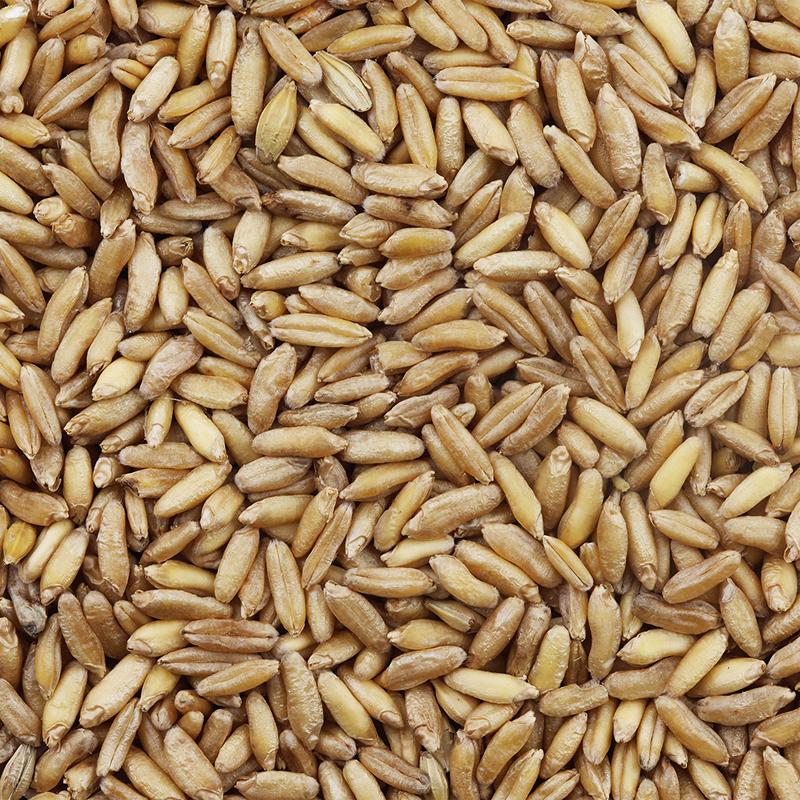
The right grain affects flavour, texture, processing behaviour, product positioning, and how clearly a finished product speaks to today’s ingredient-conscious shoppers. Whole grain and sprouted grain are closely related, but they don’t perform the same way in formulation.
If your brand is comparing ingredient options or looking for a whole grain wholesaler, it helps to understand what changes once a grain is sprouted. Both options start with the complete grain kernel, including the bran, germ, and endosperm. The difference is that sprouted grains have gone through a controlled germination process before being dried and prepared for use in food manufacturing.
What Whole Grain Means
Whole grain is the broader category. A grain can be called whole when the full kernel remains intact, cracked, rolled, ground, or milled while still containing its natural components in the same relative proportions. This can include wheat, spelt, rye, barley, oats, and other grains used in breads, cereals, crackers, baking mixes, and snack products.
Whole grains are familiar and versatile. They can bring hearty flavour, visible grain identity, darker colour, and a more robust bite. Depending on the format, they may also change dough handling, moisture needs, and finished-product density. A fine whole grain flour behaves differently than flakes, cracked grains, or inclusions, so format matters as much as the grain itself.
What Makes Sprouted Grain Different
Sprouted grain begins as whole grain, but it’s exposed to moisture and warmth under controlled conditions until germination begins. At the right point, the process is stopped through drying, creating an ingredient that can be milled, rolled, cracked, or used in other forms.
This process changes how the grain behaves. Sprouted grains often bring a naturally sweeter, more developed flavour because germination begins converting some starches. They can also create softer eating qualities and a more rounded grain profile in baked goods, cereals, bars, and prepared foods. For those trying to reduce harsh or bitter whole grain notes, sprouted grain can help create a more approachable taste experience.
Choosing Based on Product Goals
Whole grain is generally used when a brand wants a traditional grain profile, strong visual cues, or a classic hearty texture. It works well in products where consumers expect a rustic bite or dense structure, such as multigrain breads, granolas, and seeded crackers.
Sprouted grain can be useful when the goal is a softer flavour, a cleaner ingredient story, or a more premium grain position. It can support products that need the credibility of whole grain with a gentler eating experience, especially in family-friendly breads, wraps, cereals, and better-for-you snack formats.
What Food Brands Should Ask Suppliers
Before choosing either option, ask about grain variety, format, moisture specifications, shelf stability, lot consistency, processing controls, and documentation. These details affect scale-up, packaging, storage, labelling review, and finished-product consistency. The best choice depends on what your product needs to deliver.