Beauty and Elegance in a Home Usually Comes Down to Materials
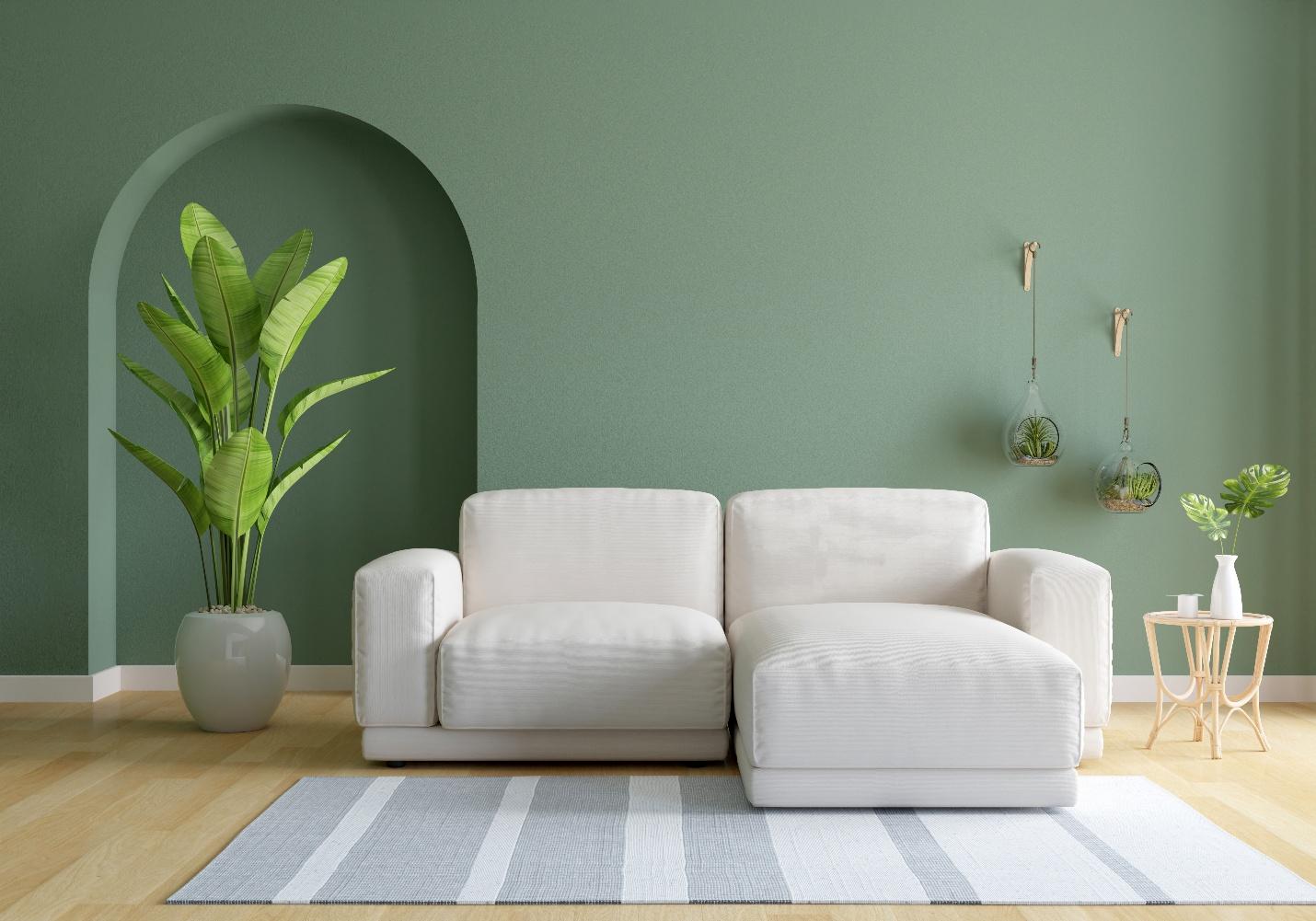
A surprising amount of modern interior design is built around temporary excitement. Trending boucle chairs. Sculptural lamps shaped like abstract mushrooms. Beige-on-beige minimalism that photographs beautifully online but somehow makes actual living rooms feel emotionally refrigerated after six months. Entire homes now seem designed primarily for fifteen seconds of approval on social media before the algorithm moves on to whatever curved object everyone suddenly pretends to have always loved.
Meanwhile, the spaces that continue feeling beautiful years later usually have something much simpler holding them together: material permanence.
Solid wood changes the atmosphere of a home in ways people notice immediately even if they cannot articulate why. Rooms feel warmer. More grounded. More dimensional. Grain variation introduces texture naturally instead of forcing it through excessive decor layering. Weight changes presence. Craftsmanship changes visual calm. Real materials age differently because they develop character instead of deterioration.
That distinction matters more than most homeowners initially expect.
Why Natural Materials Continue Outlasting Design Trends
Interior design trends cycle aggressively, but wood has remained central to residential architecture and furniture design for centuries because the material itself carries visual complexity naturally. Grain patterns, tonal variation, texture, warmth, and aging characteristics create depth that synthetic materials often struggle to replicate convincingly.
Research examining biophilic design principles has consistently linked natural materials to improved emotional comfort, reduced stress perception, and increased occupant satisfaction within interior environments.
People tend to interpret wood psychologically as warmth.
That response partly explains why natural wood tones continue reappearing across multiple design movements even after periods dominated by colder, hyper-industrial aesthetics. Whether the style leans traditional, transitional, Scandinavian, contemporary, or modern organic, wood remains one of the few materials capable of adapting across all of them without feeling visually temporary.
Real Wood Ages Differently Than Synthetic Materials
One of the largest differences between solid wood furniture and mass-produced composite alternatives is how the material behaves over time.
Cheaper furniture often declines abruptly:
- laminate peeling
- compressed boards warping
- veneers lifting
- joints weakening
- surfaces scratching beyond repair
Solid wood behaves differently because the material itself remains structurally substantial beneath the finish.
Minor imperfections often soften appearance rather than ruin it entirely. Surfaces may be refinished. Texture develops naturally. Patina deepens gradually instead of visually collapsing all at once.
“Wood remains one of the most psychologically preferred materials within residential interior environments due to its warmth, tactile quality, and visual naturalness.”
— Journal of Wood Science
Elegance Usually Comes From Restraint, Not Excess
One of the more interesting shifts happening in interior design is the movement away from aggressively staged spaces and toward homes that feel calmer, softer, and more materially grounded. Much of what social media currently labels as “quiet luxury” is really just restraint paired with better materials.
Solid wood dining tables. Handcrafted cabinetry. Natural finishes. Linen textures. Warm lighting. Fewer pieces overall, but stronger ones.
The appeal comes less from decoration and more from permanence.
This is partly why homeowners increasingly prioritize furniture and architectural elements that feel substantial rather than trend-dependent. Spaces built around authentic materials generally require less visual compensation afterward because the materials themselves already provide depth.
Beauty Often Comes From Texture and Light
Natural wood also changes how light interacts within a room. Grain variation softens reflection. Matte finishes absorb brightness differently than synthetic gloss surfaces. Texture creates visual warmth without overwhelming the space itself.
That interaction becomes especially important in:
- dining rooms
- living areas
- bedrooms
- home offices
- open-concept layouts
Homes feel more layered when materials carry natural variation rather than completely uniform surfaces repeating across every room.
Furniture Quality Quietly Shapes the Feeling of a Home
People often think about furniture aesthetically before they think about it physically, but poor construction changes everyday experience constantly. Chairs become uncomfortable. Drawers stop gliding properly. Tables wobble. Surfaces deteriorate unevenly. Rooms begin feeling temporary because the objects inside them behave temporarily.
Well-crafted furniture tends to disappear into daily life because it functions consistently without demanding constant adjustment or replacement.
Signs Furniture Was Built for Longevity
Higher-quality furniture often includes:
- solid hardwood construction
- reinforced joinery
- repairable surfaces
- handcrafted detailing
- customizable finishes
- stable structural support
- higher-density materials
- long-term durability
- refinishing potential
These details may seem small individually, but collectively they determine how furniture ages over years of actual use.
Manufacturers such as add beauty and elegance to your home increasingly emphasize handcrafted solid wood construction, customizable finishes, and Canadian-made production as homeowners move away from disposable furniture culture and toward longer-lasting design investments.
Canadian-Made Furniture Carries Practical Advantages Too
Locally manufactured furniture often allows for stronger oversight around craftsmanship, material sourcing, customization, and long-term quality control. That becomes especially important in Canadian climates where humidity fluctuation and seasonal environmental changes affect wood movement and structural stability over time.
According to Woodcraft, many of its collections are handcrafted in Canada using woods such as maple, oak, cherry, and pine, alongside customizable sizing and finishing options.
Customization also gives homeowners greater flexibility around:
- stain selection
- dimensions
- wood species
- room compatibility
- finish tones
- storage functionality
- layout integration
That flexibility becomes increasingly valuable as homeowners move away from identical showroom aesthetics and toward more personalized spaces.
Homes Feel Better When the Materials Feel Honest
The strongest interiors rarely rely on endless decoration. Usually, they rely on fewer elements executed more thoughtfully. Better light. Better texture. Better materials. Furniture that feels stable. Rooms that feel calm instead of visually overcrowded.
And honestly, that is probably why solid wood furniture continues surviving every design cycle that tries replacing it.
Real wood does not need to convince people it is luxurious. The material already carries permanence naturally. The warmth feels immediate. The texture feels lived-in. The aging feels graceful instead of worn out.
Which means beauty and elegance in a home often have less to do with chasing trends and more to do with choosing materials capable of still feeling beautiful long after the trends themselves disappear.