Why These 6 Safety Standards Will Make or Break Your Inflatable Rental Business?
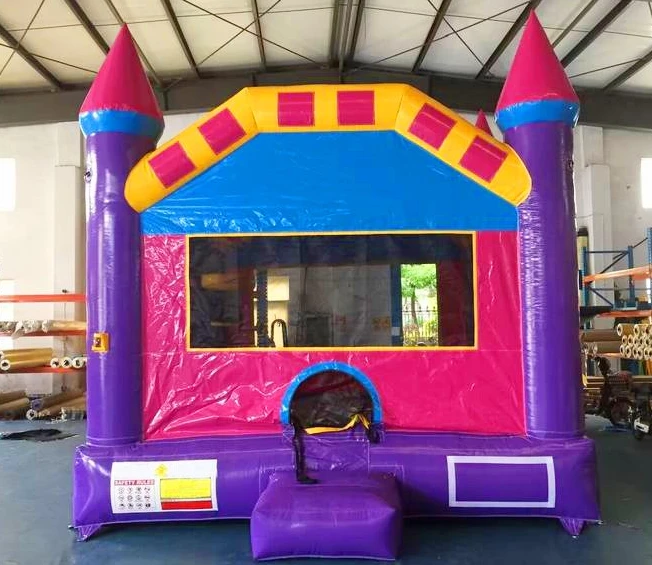
In the American party rental industry, eye-catching designs and vibrant themes might get customers through the door, but safety standards determine whether you stay in business. For owners of bounce house and water slide rental companies, a single safety oversight can lead to more than just a bad review—it can lead to costly lawsuits, insurance denials, and the end of your brand.
If you are looking to scale your inventory, here are the critical safety standards that separate professional-grade equipment from risky “backyard” toys.
1. 18oz Commercial Grade PVC Vinyl
In the US market, the gold standard for durability and safety is 0.55mm (18oz) lead-free PVC vinyl. Unlike cheap Oxford cloth found in retail stores, commercial-grade vinyl is puncture-resistant and heavy-duty.
- Why it matters: In the US, rental equipment must endure heavy “turnover” and diverse weather conditions. Using flame-retardant, lead-free materials is not just a requirement for many state inspections and insurance carriers; it is the foundation of a safe play environment.
2. ASTM International & CPSC Compliance
While European standards are common, US-based businesses should prioritize equipment that meets ASTM (American Society for Testing and Materials) guidelines and CPSC (Consumer Product Safety Commission) safety recommendations.
- Why it matters: Following these standards ensures that the height of the slide walls, the depth of the landing pits, and the finger-safe netting are all designed to prevent common injuries. Manufacturers like EastJump prioritize these North American safety specs to ensure your fleet is compliant with local regulations.
3. Reinforced Stress Points and Multi-Row Stitching
A unit is only as strong as its weakest seam. Premium commercial units feature triple or quadruple stitching at all high-stress areas, such as the entrance ramp and the base of the bounce area.
- Why it matters: Sudden seam failures are a leading cause of “deflation accidents.” High-quality units use reinforced webbing over the seams to ensure the structure remains rigid even under the weight of multiple active users. This is a critical quality marker for any professional Bounce House intended for frequent commercial rental use.
4. Heavy-Duty Anchoring Systems
Wind is the #1 enemy of outdoor inflatables in America. Every commercial unit must have a robust anchoring system consisting of multiple stainless steel D-rings.
- Why it matters: To meet US safety protocols (and to be eligible for liability insurance), units must be secured with 18-inch (or longer) stakes at every designated point. A unit with insufficient or weak D-rings is a major liability in any outdoor setting.
5. UL-Listed Blowers and GFCI Requirements
The blower is the heart of your inflatable. In the US, using a UL-listed (Underwriters Laboratories) blower is non-negotiable for commercial operations.
- Why it matters: UL-listed blowers have been tested for electrical safety, reducing the risk of fire or short-circuiting. When paired with GFCI (Ground Fault Circuit Interrupter) outlets, this standard protects your young customers from electrical hazards, especially when operating water slides.
6. Professional Liability Insurance & Resale Value
Beyond immediate safety, following these standards has a massive impact on your business’s financial health.
- Insurance Premiums: Most US insurance providers will ask for the manufacturer’s safety certifications before issuing a policy. If your equipment doesn’t meet ASTM or 18oz vinyl standards, you may find yourself uninsurable or facing astronomical premiums.
- Resale Value: Quality inflatables are assets, not just expenses. A well-maintained, certified unit from a reputable manufacturer retains high resale value in the secondhand market. When you’re ready to upgrade your inventory, having equipment with proven safety specs makes it much easier to flip to other rental operators.
The Bottom Line
In the inflatable rental world, safety is your best marketing tool. Investing in equipment that exceeds these standards doesn’t just protect the kids—it protects your investment, your reputation, and your peace of mind. Choosing a manufacturer that understands the rigors of the US market is the first step toward a profitable and sustainable rental season.