What is the UroLift Procedure?
Urology Clinic Singapore: UroLift Procedure for Enlarged Prostate – Is It Available in Singapore?
Benign prostatic hyperplasia (BPH) is a very common condition affecting aging men in Singapore, where the prostate gland gradually enlarges and begins to obstruct normal urine flow. This can lead to bothersome urinary symptoms such as a weak stream, frequent night-time urination (nocturia), urgency, difficulty starting urination, and a sensation of incomplete bladder emptying.
While medications are typically the first-line treatment to help relax the prostate or reduce its size, many patients eventually find that symptoms persist or progress over time. At this stage, attention often turns to minimally invasive surgical options that offer better symptom relief with fewer side effects and shorter recovery time compared to traditional surgery.
One such option is the UroLift procedure, a newer, tissue-preserving technique that is increasingly discussed and offered in selected urology clinic Singapore settings. For men exploring alternatives beyond long-term medication, consulting a urology clinic in Singapore can help determine whether UroLift is an appropriate treatment based on individual prostate size, symptoms, and overall health profile.
The UroLift procedure is a minimally invasive treatment designed to relieve urinary symptoms caused by benign prostatic hyperplasia (BPH) without cutting, removing, or destroying prostate tissue. Instead, small permanent implants are inserted to mechanically hold the enlarged prostate lobes apart, creating a wider channel for urine to pass through the urethra. This helps reduce obstruction and improves urinary flow while preserving the natural anatomy of the prostate.
The procedure is typically performed using a cystoscope, a thin camera inserted through the urethra, allowing the urologist to precisely place the implants under direct visualization. Because it does not involve tissue removal or thermal energy (such as laser or electrocautery), it is considered a tissue-sparing approach.
Who is Suitable for UroLift in Singapore?
The UroLift procedure is generally considered for men with mild to moderate lower urinary tract symptoms (LUTS) due to benign prostatic hyperplasia (BPH), particularly when medications are no longer effective or cause undesirable side effects. Suitability depends on symptom severity, prostate anatomy, and patient goals.
Patients who may be suitable include:
- Men with mild to moderate BPH symptoms such as weak urine flow, urgency, or nocturia
- Patients who have not achieved sufficient relief from oral medications
- Men who prefer a minimally invasive option with faster recovery time
- Patients who wish to preserve sexual function, particularly ejaculation
- Those with a prostate size within a moderate range (as assessed by imaging and cystoscopy)
Patients who may NOT be suitable include:
- Men with very large prostates
- Patients with significant median lobe obstruction
- Those with recurrent urinary retention or advanced bladder dysfunction
- Patients with complex urological conditions requiring more definitive surgery
A full evaluation at a urology clinic in Singapore typically includes symptom scoring, urine flow testing, ultrasound imaging, and sometimes cystoscopy to confirm whether UroLift is an appropriate option based on individual clinical findings.
How the UroLift Procedure Is Performed at a Urology Clinic Singapore
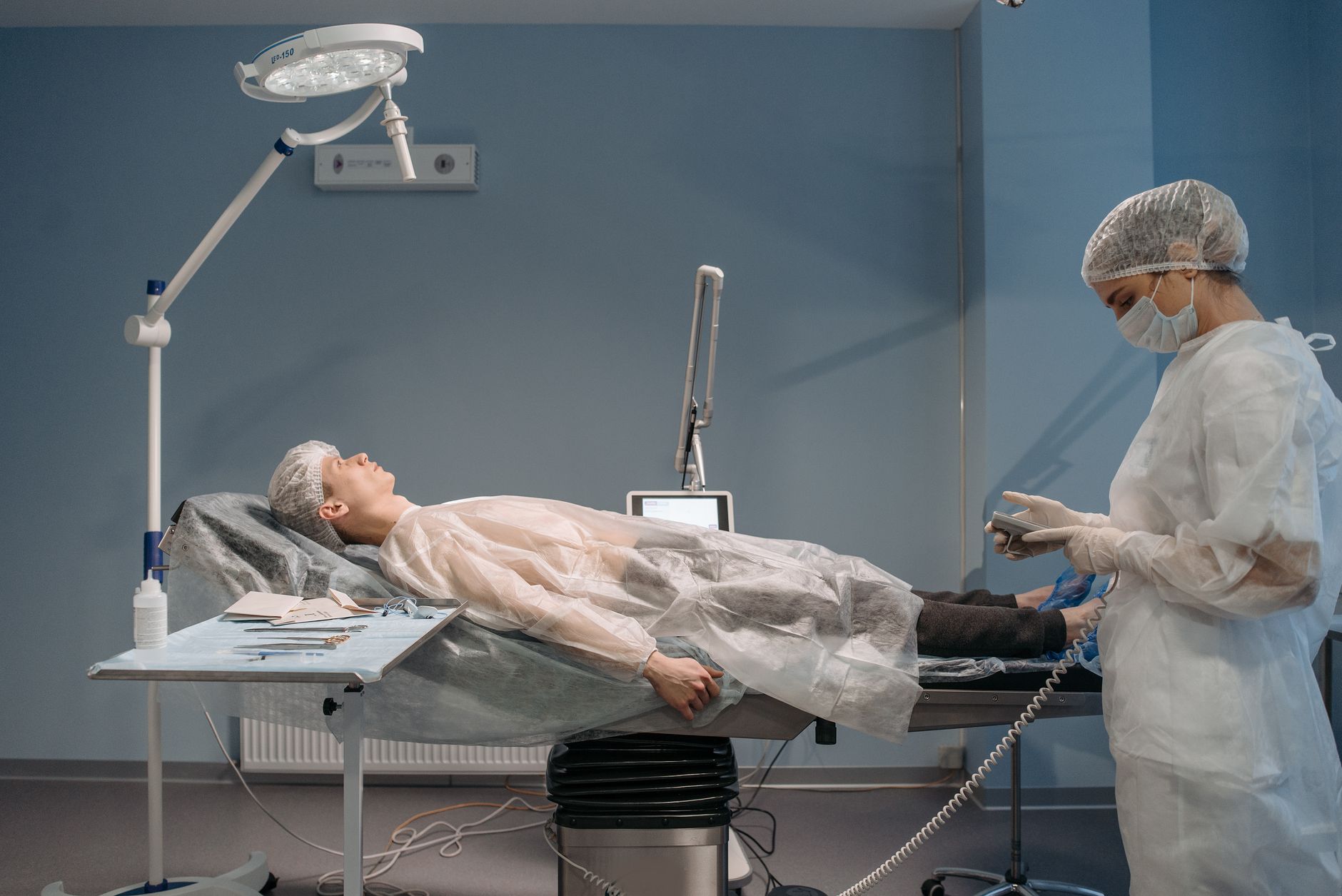
The UroLift procedure is typically carried out as a day procedure, meaning most patients can return home on the same day. It is performed in a controlled clinical or hospital setting by a urologist using a cystoscopic delivery system.
Pre-procedure assessment usually includes:
- Detailed symptom evaluation (e.g., International Prostate Symptom Score)
- Urine tests to rule out infection
- Ultrasound scan to assess prostate size and bladder condition
- Cystoscopy in selected cases to visualise prostate anatomy and obstruction pattern
During the procedure:
- The patient is placed under local anaesthesia with sedation or light general anaesthesia, depending on the setting
- A cystoscope is inserted through the urethra to access the prostate
- Small UroLift implants are deployed to retract the enlarged prostate tissue away from the urethral channel
- Multiple implants may be placed depending on the degree and location of obstruction
- No tissue is cut, removed, or destroyed during the process
The entire procedure is usually completed within a relatively short duration, and patients are monitored briefly after the procedure before discharge.
Recovery, Results, and Expected Benefits
After the UroLift procedure, most patients experience a relatively quick recovery compared to traditional prostate surgeries. It is common to have mild urinary discomfort such as burning sensation during urination, increased frequency, or small amounts of blood in the urine for a few days after the procedure. These symptoms are usually temporary and gradually improve as the urinary tract heals.
Patients are typically able to resume light daily activities within a short period, often within a few days, although strenuous exercise and heavy lifting may be avoided for about one to two weeks. Improvement in urinary symptoms may be noticed early in some patients, but in others, the full benefit develops gradually over several weeks as swelling settles and the urinary channel stabilises.
The main benefits of UroLift include improved urine flow, reduced urgency and night-time urination, and a lower likelihood of long-term reliance on prostate medications. Importantly, one of the key advantages is the preservation of sexual function, particularly ejaculation, which is often a concern with more invasive procedures.
UroLift vs Other BPH Treatments in Singapore
UroLift is one of several treatment options for benign prostatic hyperplasia (BPH), and the choice depends on symptom severity, prostate size, and patient priorities. Compared with medication and surgery, it sits between conservative and more invasive approaches.
- Medications: Improve symptoms but require long-term use and may cause side effects; do not physically relieve obstruction
- TURP / HoLEP: Provide strong, long-lasting relief by removing prostate tissue but involve longer recovery and higher risk of sexual side effects
- UroLift: Minimally invasive, preserves prostate tissue and sexual function, with faster recovery but may offer more modest symptom improvement in advanced cases
Conclusion
UroLift offers a minimally invasive option for men with benign prostatic hyperplasia (BPH) who are seeking relief from urinary symptoms without undergoing more extensive prostate surgery. It is particularly suited for carefully selected patients who want to improve urine flow while preserving sexual function and minimising downtime.
However, its suitability depends on prostate anatomy and symptom severity, making proper clinical assessment an important step before deciding on treatment. To arrange a discussion with our clinic, you can book a call through the contact details, below:
Allen Sim Urology | Dr Allen Sim Soon Phang
Johor Clinic
Regency Specialist Hospital
Clinic F7, Ground Floor, No 1, Jln Suria, Bandar Seri Alam, 81750 Masai
Phone: +6017 523 3183
Singapore Clinic
Singapore Mount Alvernia Hospital
Medical Centre A, #02-03, 820 Thomson Road Singapore 574623
Phone: +65 9727 3900