Trading Platforms Started Borrowing Habits From the Rest of Your Phone
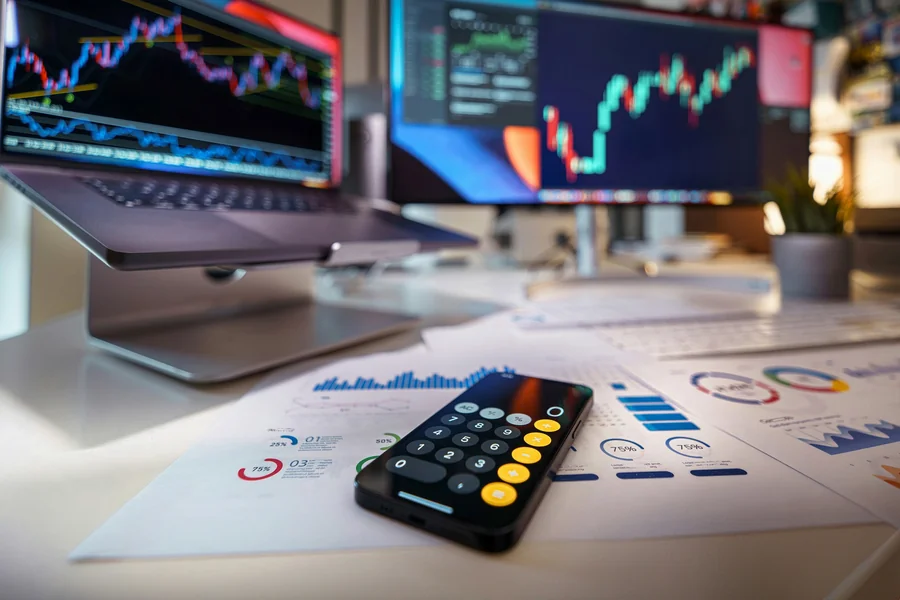
Trading software used to look like something built for accountants sitting under fluorescent office lights. That changed once phones became the center of daily life. Modern traders now expect fast updates, cleaner navigation, and apps that respond instantly because every other piece of software already works that way.
Nobody really separates financial apps from the rest of their phone anymore. A trading platform sits beside WhatsApp, Spotify, live sports scores, food delivery apps, and whatever else somebody checks twenty times a day. That changed the way trading platforms are built because people now lose patience with clunky menus, delayed data, or screens that resemble accounting software from 2009.
Trading Platforms Started Looking More Like Everyday Apps
Trading software used to look intentionally complicated. The old mentality said serious traders wanted crowded screens packed with numbers, tiny charts, and menus hidden inside other menus.
Modern platforms moved in another direction because most traders already spend their day inside apps built around speed, cleaner navigation, and quick access to information. www.bitdelta.pro combines multi-asset trading access with mobile execution, live dashboards, and professional trading infrastructure that works across forex, ETFs, equities, futures, options, and crypto CFDs.
The platform also supports MT5 Ultency, CQG, Iress Pro, and BitDelta Terminal access inside the same ecosystem. A setup like that would previously have belonged mostly to institutional trading desks; now somebody can open markets from a laptop at work or check futures positions from a phone while waiting for coffee.
Real-Time Data Became Part of the Experience
A delayed refresh annoys people far more than it did ten years ago. Somebody watching a football score update instantly on one screen does not enjoy staring at a frozen trading chart on another. Financial platforms adapted because mobile habits changed expectations across almost every type of software.
Digital-first investing increasingly revolves around accessibility, personalization, and faster interaction with platforms and market data. That pressure pushed trading companies toward cleaner interfaces, faster updates, and systems that remain usable for somebody checking markets between meetings or during a train ride home.
Another thing changed alongside the software itself. Trading stopped looking tied to one physical setup. Somebody might check charts on a laptop during work, glance at positions on a phone in an Uber, then follow futures markets later that evening from a tablet on the couch. Platforms adapted because modern users expect the same continuity already built into streaming apps and live sports coverage.
Professional Trading Tools Escaped the Trading Floor
A Bloomberg terminal still carries a certain mystique, though professional trading software no longer sits exclusively inside expensive offices filled with market analysts and giant television screens. A decent laptop now gives ordinary traders access to charting systems, live pricing feeds, futures markets, and execution tools that once stayed mostly inside institutional environments.
CQG integration on BitDelta Pro opens access to futures and options trading infrastructure used heavily across professional markets. Iress Pro also gives traders direct market access tools alongside portfolio management features usually associated with larger trading operations. MetaTrader 5 remains one of the most widely used trading platforms globally, with MetaQuotes reporting more than 20 million monthly active users across the MT5 ecosystem during 2024. Those numbers explain why platforms increasingly compete around execution quality rather than simply offering another basic trading interface.
The Small Screen Changed Trading Habits
Phones changed trading behaviour dramatically because markets now travel everywhere with the user. Somebody no longer waits to get home before checking positions or reacting to breaking financial news. The phone already sits nearby, so traders naturally monitor positions throughout the day in the same way people monitor football scores or social media notifications.
That behaviour pushed trading software toward simpler dashboards and faster navigation. BitDelta’s own platform positioning leans heavily toward cross-device functionality because traders now move between desktop setups and mobile screens constantly. Clunky interfaces struggle badly in that environment because people abandon frustrating apps quickly once better alternatives appear.
Fast Platforms Hold Attention Longer
Execution speed became part of public marketing because traders now compare platform responsiveness openly. A slow-loading order window immediately stands out once somebody gets used to modern trading infrastructure. Streaming platforms trained people to expect instant response times, and financial software now faces the same pressure.
MetaQuotes previously reported latency benchmarks as low as 0.26 milliseconds for optimized MT5 environments running through advanced infrastructure. Those figures sound deeply technical at first glance, though they reveal something important about modern trading culture. Speed stopped being invisible. Traders actively compare execution performance because milliseconds now influence real trading decisions.
Financial Platforms Started Looking Familiar
Modern trading software no longer exists inside a completely separate digital world reserved for finance professionals. The design language now resembles the rest of modern app culture because traders already spend most of the day inside responsive platforms built around instant updates and cleaner navigation. A platform can offer access to every market imaginable, though people still expect the software itself to work smoothly during an ordinary Tuesday afternoon between replying to emails and ordering lunch.