The Role of Evidence in Bicycle Accident Cases
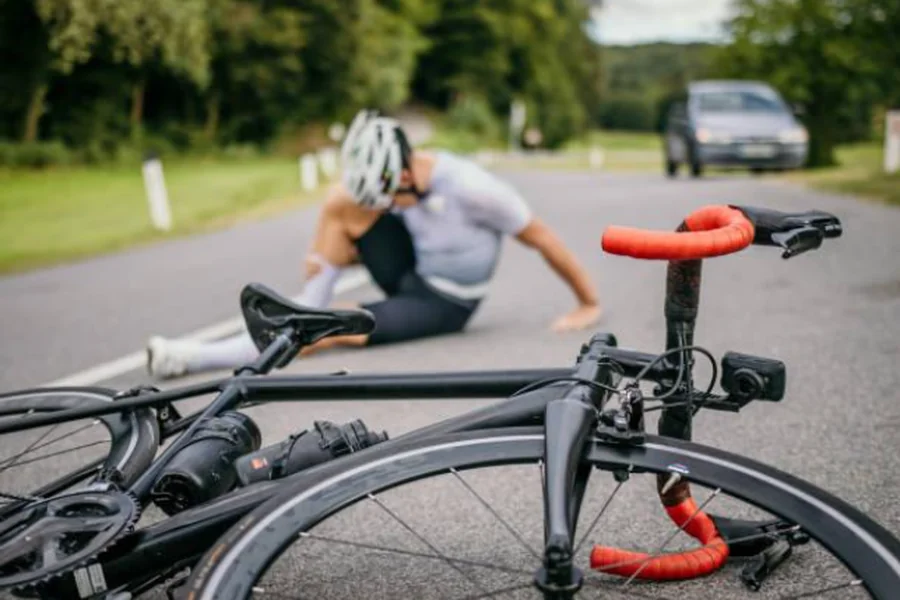
When a bicycle accident occurs, determining fault and proving damages can be challenging. Unlike car accidents, where vehicle damage and skid marks often tell part of the story, bicycle accidents may leave fewer visible clues. This makes collecting strong, clear evidence essential for building a solid personal injury claim.
From eyewitness statements to medical records and photos from the scene, every piece of evidence plays a key role in establishing liability and supporting your compensation claim. Understanding the importance of timely documentation can also be reinforced by reviewing current bicycle accident statistics, which highlight how frequently these incidents occur and the serious consequences they often carry.
In this article, we’ll explore the importance of evidence in bicycle accident cases and what types of evidence can be most helpful in proving fault and securing a successful outcome. Evidence is key to a successful claim.
Why Does Evidence Matter in Bicycle Accident Cases?
In a bicycle accident case, having strong evidence is crucial for proving fault and obtaining compensation. Without adequate evidence, demonstrating liability and negotiating a fair settlement can be difficult. Evidence serves several important purposes:
– Establishing the facts of the accident
– Identifying responsible parties
– Proving the extent of injuries and damages
– Supporting witness testimony
What Are the Different Types of Evidence?
Several types of evidence can be useful in bicycle accident cases, including:
- Photos and Videos: Images of the accident scene, damaged bicycles, and injuries can effectively document the extent of the damage and harm sustained.
- Witness Statements: Eyewitnesses provide valuable insights into the accident and help establish liability.
- Police Reports: Official police reports offer an objective account of the accident and identify responsible parties.
- Medical Records: Documentation of medical treatment and expenses can demonstrate the extent of injuries and damages suffered.
- Bicycle Maintenance Records: Records of regular maintenance and repairs can help show that the bicycle was in good working condition prior to the accident.
What Are the Steps Involved in Collecting Evidence?
After a bicycle accident, it’s essential to collect evidence as soon as possible. Here are some steps to take:
- Document the accident scene: Take photos and videos of the accident scene, including any damage to bicycles, vehicles, or property.
- Get witness contact information: Collect the names, phone numbers, and addresses of any witnesses.
- File a police report: If officers fail to respond to the scene, make sure to report the incident yourself as soon as possible.
- Keep medical records: Document all medical treatment and expenses related to the accident.
- Preserve evidence: Keep any physical evidence, such as damaged bicycle parts or clothing.
How Can a Lawyer Assist You?
A lawyer can assist you in gathering and utilizing evidence in your bicycle accident case. They can:
- Help you gather evidence: Lawyers can assist in collecting and organizing evidence to support your claim.
- Analyze evidence: Lawyers can review evidence to identify key points that support their case.
- Use evidence to negotiate: Lawyers can use evidence to negotiate with insurance companies and secure a fair settlement.
Final Takeaway
Evidence plays a vital role in bicycle accident cases. By collecting and preserving evidence, you can build a strong case and increase your chances of getting fair compensation. If you’re involved in a bicycle accident, seek medical attention and consult with a lawyer. They can help you navigate the process and ensure you receive the compensation you deserve. Don’t delay – take action to protect your rights and get the help you need.