How Storm Damage Affects Your Roof and Siding and What to Do Next
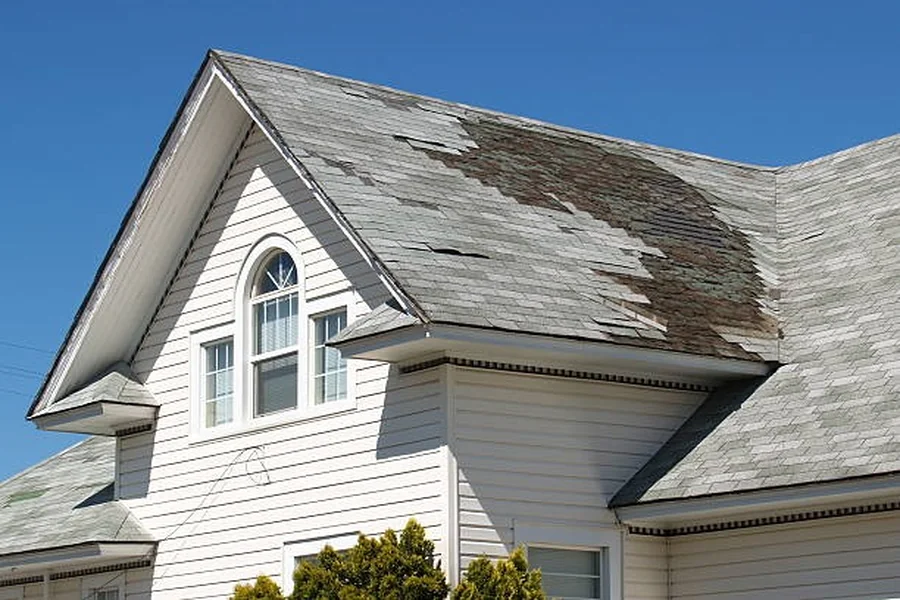
Storm damage affects your roof and siding by loosening or breaking materials, causing leaks, weakening structural protection, and allowing moisture to enter your home. High winds, heavy rain, hail, and debris can all create visible and hidden damage. Acting quickly after a storm helps prevent further issues and protects your home from costly repairs.
Storms can hit without much warning, and even a short but intense storm can leave lasting damage. Many homeowners may not notice problems right away, especially if the damage is not visible from the ground. Over time, these small issues can turn into bigger concerns if they are not addressed.
Eagan, Minnesota, is known for its changing seasons, including strong storms, heavy snowfall, and occasional hail. Located in the Twin Cities metro area, Eagan has many established residential neighborhoods where homes face year-round weather exposure. These weather conditions can take a toll on homes throughout the year. Homeowners here prioritize regular inspections and maintenance.
If you are dealing with storm damage and need help with roofing in Eagan, MN, taking action early can make a big difference in preventing long-term damage.
How Storms Damage Your Roof
The roof is the first part of your home to take the impact of severe weather.
Common types of roof damage include:
- Missing or lifted shingles from strong winds
- Cracked or bruised shingles from hail
- Water penetration from heavy rain
- Damage from fallen branches or debris
Even minor damage can expose the underlayment and lead to leaks over time.
How Siding Gets Affected
Siding protects the exterior walls of your home, but it is also vulnerable during storms.
Storm damage to siding may include:
- Cracks or holes from hail impact
- Warping or loosening from wind pressure
- Moisture getting behind panels
- Fading or surface damage
Damaged siding can allow water to seep into the walls, leading to mold and structural problems.
Hidden Damage You Might Miss
Not all storm damage is easy to spot.
Some hidden issues include:
- Small leaks inside the attic
- Weakened flashing around vents and chimneys
- Moisture trapped behind siding
These problems can worsen over time if not identified early.
What to Do After a Storm
Taking the right steps after a storm can help protect your home.
Start with:
- A visual inspection from the ground
- Checking for debris or visible damage
- Looking for signs of leaks inside your home
Avoid climbing onto the roof yourself, as it can be unsafe.
Schedule a Professional Inspection
A professional inspection is one of the most important steps after a storm.
Experts can:
- Identify both visible and hidden damage
- Recommend necessary repairs
- Help prevent further issues
Early inspection can save you from more expensive repairs later.
Preventing Future Damage
While storms cannot be avoided, preparation can reduce their impact.
You can:
- Keep gutters clean and clear
- Trim nearby trees and branches
- Schedule regular roof and siding inspections
Regular clearing protects your home from overflow, but heavy storms can still expose structural weaknesses in an outdated system. When standard maintenance is no longer enough to handle severe seasonal weather, upgrading your drainage system with a new gutter install in Wyoming, MI can support better water management. Securely attached hardware and properly aligned channels ensure that heavy rain is channeled away from the foundation and exterior walls. Investing in robust upgrades helps maintain your property’s exterior drainage capacity and minimizes the risk of sudden leaks during the next major weather event.
These steps help strengthen your home against future storms.
Key Takeaways
- Storms can damage both roofs and siding in visible and hidden ways.
- Wind, rain, and hail are common causes of damage.
- Small issues can turn into major problems if ignored.
- Professional inspections are important after storms.
- Preventive maintenance helps protect your home.