Enhancing Safety and Comfort for Women in Transportation with Proper Workwear
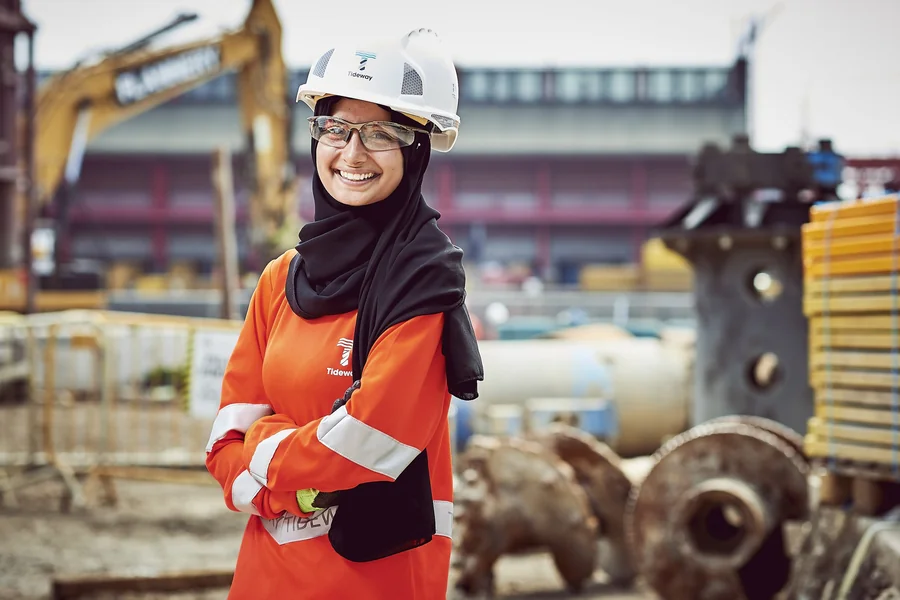
Key Takeaways
- Properly fitted workwear enhances safety by reducing risks associated with ill-fitting garments.
- Comfortable workwear improves productivity and job satisfaction among female transportation workers.
- Investing in quality workwear leads to long-term financial benefits for employers.
Women working in transportation face unique challenges that can only be met with carefully chosen, purpose-built workwear. The right uniforms not only boost safety but also directly affect overall comfort and well-being on the job. Providers such as Dickies, a globally recognized authority in durable garments, have become leaders in equipping transportation professionals. Their expertise is showcased in their extensive product range, including ropa de trabajo para transporte. This collection is designed specifically for women, ensuring a precise fit and compliance with international safety standards. Dickies stands out for its reputation for quality, making it a go-to option for transportation companies not only across Mexico but also in global service areas that require reliable workwear solutions.
The focus on specialized workwear is more than a matter of appearance, as it is a core factor in creating safer working environments. When uniforms address the unique shapes, movement, and visibility needs of women, they reduce the risks caused by ill-fitting, uncomfortable, or unsafe clothing. As the presence of women in transportation roles increases, it becomes more crucial for companies to prioritize purpose-designed attire.
Why Is Proper Workwear Essential for Women in Transportation?
Every day in the transportation industry, women face situations where the right clothing can be the difference between safety and risk. Historically, most workwear options were tailored for men, leaving women to make do with ill-fitting garments that can snag on machinery, restrict movement, or fail to provide proper protection. Purpose-designed outfits for women prevent such scenarios, ensuring they are never put at unnecessary risk on the job. These garments also address industry-specific requirements, such as high-visibility materials that help workers be seen in low-light or high-traffic conditions. When uniforms are designed to fit properly, they help prevent accidents that often occur when fabric bunches, catches, or restricts movement at critical moments.
How Does Properly Fitted Workwear Enhance Safety?
The direct link between well-fitted uniforms and safety is undeniable in the transportation sector. Garments tailored specifically for women’s body shapes ensure that no loose material puts individuals at risk near moving vehicles or heavy equipment. Moreover, features such as reflective stripes, secure fastenings, and reinforced seams further protect workers, serving as a first line of defense against workplace accidents. High-visibility workwear plays a pivotal role here. For women working at night or in busy environments, being easily spotted by drivers, machinery operators, or coworkers drastically reduces the risk of being overlooked or injured in traffic-related incidents. Adequate detailing, such as reflective panels or bright colors, is integral to the design of premium uniforms.
What Role Does Comfort Play in Workwear for Women?
Comfort is more than a luxury, as it is vital for efficiency and job satisfaction. Proper transportation workwear must be constructed from breathable, flexible fabrics that adapt to the range of movements required on the job. When women feel at ease and unrestricted, fatigue is less likely to set in, leading to enhanced concentration and a demonstrable reduction in workplace errors or mishaps.
Ergonomic design factors, including strategic reinforcement, lightweight construction, and good ventilation, help prevent discomfort and overheating. Over long shifts, comfort becomes essential for morale and for maintaining a high standard of performance from start to finish.
What Are the Financial Benefits of Investing in Quality Workwear?
It’s a common misconception that specialized workwear is just an additional cost. In reality, investing in high-quality uniforms pays off over time by reducing accident rates and associated costs, including medical expenses, insurance claims, downtime, and legal liabilities. Durable, well-made garments need less frequent replacement, adding another layer of savings for transportation employers.
Comprehensive uniform programs also boost employee retention. Workers who feel safe and valued are more likely to remain in their jobs, reducing recruitment and training costs associated with high turnover.
How Can Employers Implement an Effective Workwear Program?
Establishing a robust workwear plan starts with a thorough needs assessment to determine the unique requirements of female staff. Understanding the workplace environment, common risks, and employee feedback ensures that uniform choices address real challenges, not just theoretical ones. Procurement should focus on reputable suppliers that offer not only a broad range of women’s sizes but also guarantees of safety compliance and durability. Once uniforms are distributed, regular check-ins for fit and function allow organizations to refine their program, adapting to employee feedback or evolving job roles. Leaders can gauge the effectiveness of these internal adjustments by utilizing a change management quiz to identify potential friction points in how new gear policies are perceived across the team.
Frequently Asked Questions
What are the key features to look for in women’s transportation workwear?
Look for ergonomic cuts tailored to the female body, breathable and moisture-wicking fabrics, high-visibility accents, and seamless integration with required personal protective equipment.
How does ill-fitting workwear impact safety?
Ill-fitting uniforms can lead to restricted movement, tripping hazards, and improper usage of safety gear. Inconsistent fit is a leading contributor to workplace injuries, especially in fast-paced transportation settings.
Why is high-visibility clothing important for women in transportation?
These pieces help women stand out to drivers and equipment operators, especially during night shifts or in low-light conditions, thereby preventing many traffic- or equipment-related accidents.
What are the financial benefits of investing in quality workwear?
Quality workwear reduces injury rates, worker compensation claims, and long-term operational costs. Durable clothing means less frequent replacement, maximizing the value for transportation employers.
How can employers ensure workwear fits properly for female employees?
Employers should offer a full range of sizes, conduct personalized fittings, and encourage workers to provide candid feedback on both function and comfort to support ongoing improvements.
In summary, investing in thoughtfully designed transportation workwear for women improves safety, comfort, and job satisfaction, providing substantial benefits for both employees and organizations in every corner of the industry.
Conclusion
Choosing the right workwear for women in the transportation industry is more than a uniform decision, as it is a critical investment in safety, comfort, and long-term operational success. Properly fitted garments reduce workplace risks by preventing snags, restricting movement, and ensuring high-visibility protection in demanding environments. At the same time, ergonomic and breathable designs support comfort during long shifts, helping improve focus, reduce fatigue, and enhance overall job performance. For employers, prioritizing quality, purpose-built workwear leads to measurable financial advantages, including fewer injuries, lower turnover, and reduced replacement costs. By partnering with trusted providers and regularly evaluating fit and functionality, organizations can ensure their teams are properly equipped for the challenges of the job. Ultimately, well-designed transportation workwear empowers women to work safely, confidently, and efficiently, benefiting both employees and the companies they represent.