Lawn Care and Maintenance Tips for Long-Term Results
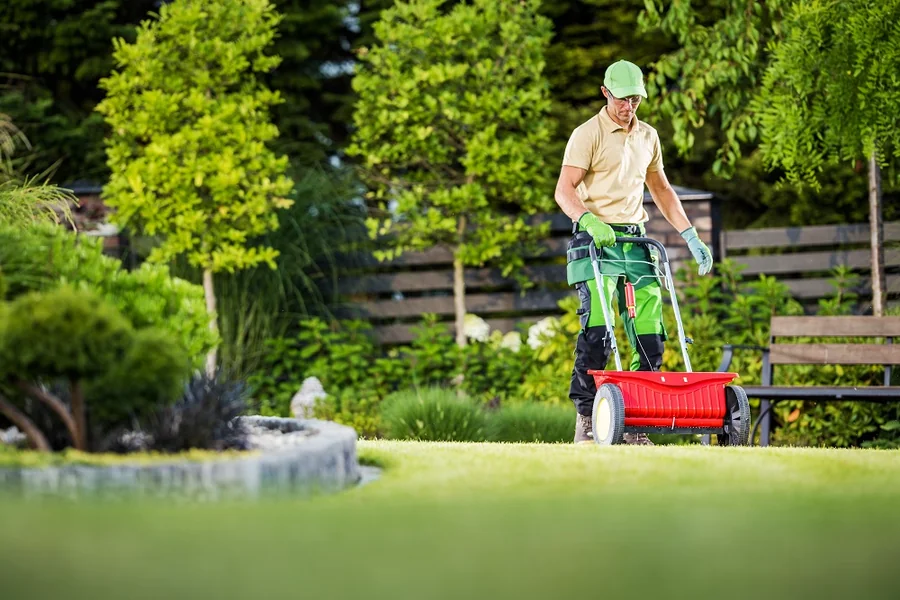
Keeping a lawn healthy and attractive requires more than occasional mowing and watering. Consistent maintenance, proper seasonal care, and healthy soil all contribute to stronger grass and longer-lasting results. With the right approach, homeowners can reduce common lawn problems while improving the overall appearance of their outdoor space. Understanding the basics of lawn care can also make maintenance easier throughout the year. Here are some practical lawn care and maintenance tips that can help support long-term lawn health.
Start With a Consistent Lawn Care Routine
A healthy lawn begins with a regular maintenance schedule that supports steady growth throughout the year. Mowing your grass consistently helps maintain an even appearance while preventing weeds from spreading too quickly. It is also important to avoid cutting the grass too short because this can weaken the roots and expose the soil to excessive heat. Watering deeply instead of frequently encourages roots to grow further into the ground, making the lawn more resilient during dry periods.
Seasonal maintenance tasks such as fertilization also play an important role in keeping the grass healthy over time. Many professional teams, like Turf & Tree Worx, offer lawn maintenance services that cover edging, mowing, fertilization, and seasonal treatments. These services can help support consistent lawn growth while reducing common maintenance challenges throughout the year. Overall, building a consistent routine like this can help create long-term improvements instead of temporary results.
Improve Soil Health for Stronger Grass Growth
Healthy soil provides the foundation for a greener and more durable lawn. When the soil lacks nutrients, grass may struggle to grow evenly and can become more vulnerable to disease or pests. Testing the soil every so often can help identify nutrient deficiencies and determine what treatments may be needed. Adding compost or lawn-friendly organic material can improve soil structure and help retain moisture more effectively.
Aeration is another useful practice because it reduces soil compaction and allows water, nutrients, and oxygen to reach the roots more easily. Strong roots often lead to thicker grass coverage that can naturally resist weeds. Taking care of the soil beneath the lawn is one of the most effective ways to support long-term lawn health.
Water Your Lawn the Right Way
Proper watering habits are essential for maintaining healthy grass throughout changing seasons. Lawns generally benefit more from deep watering sessions rather than light daily watering because this encourages stronger root systems. Early morning is usually considered the best time to water since cooler temperatures reduce evaporation. Overwatering can create overly damp conditions that may lead to fungal growth and shallow roots.
During rainy seasons, it is helpful to adjust watering schedules to prevent unnecessary moisture buildup. Paying attention to signs such as discoloration or dry patches can help determine whether the lawn needs more or less water. A balanced watering routine supports healthier grass and improves the lawn’s overall appearance.
Control Weeds Before They Spread
Weeds compete with grass for sunlight, water, and nutrients, which can weaken the overall condition of a lawn. Addressing weeds early makes them easier to manage before they spread across larger areas. Thick and healthy grass naturally helps reduce weed growth because there is less open space for weeds to develop.
Applying mulch around garden edges and landscaped areas can also help minimize weed problems. Regular mowing supports stronger grass that can better withstand invasive growth. Spot treatments may be useful for stubborn weeds, especially when handled before they mature and produce seeds. Additionally, consistent lawn maintenance habits can significantly reduce weed-related issues over time.
Prepare Your Lawn for Seasonal Changes
Different seasons can place different types of stress on a lawn, making seasonal preparation an important part of lawn care. During warmer months, lawns may need additional watering and protection from heat stress, while cooler seasons often provide a good opportunity for overseeding and soil improvement. Removing fallen leaves during autumn helps prevent moisture buildup that could damage the grass underneath.
Winter preparation may also include reducing foot traffic on dormant grass to avoid unnecessary damage. Meanwhile, spring is often the ideal time to inspect the lawn for thinning areas, weeds, or soil compaction that developed during colder months. Adjusting lawn care practices throughout the year can help maintain steady growth and long-term results.
Conclusion
Maintaining a healthy lawn takes patience, consistency, and attention to changing seasonal conditions. Simple habits such as proper mowing, deep watering, soil improvement, and weed control can make a noticeable difference over time. A lawn that receives regular care is often more durable, visually appealing, and easier to manage throughout the year.
Long-term lawn health also depends on addressing small issues before they become larger problems. Seasonal preparation can further protect the grass and support stronger growth during changing weather conditions. By following practical lawn care and maintenance strategies, homeowners can create outdoor spaces that remain healthy and attractive for years to come. Consistent effort and proper care are the key foundations for achieving lasting lawn results.