Tips for Planning Large-Scale Construction Projects Effectively
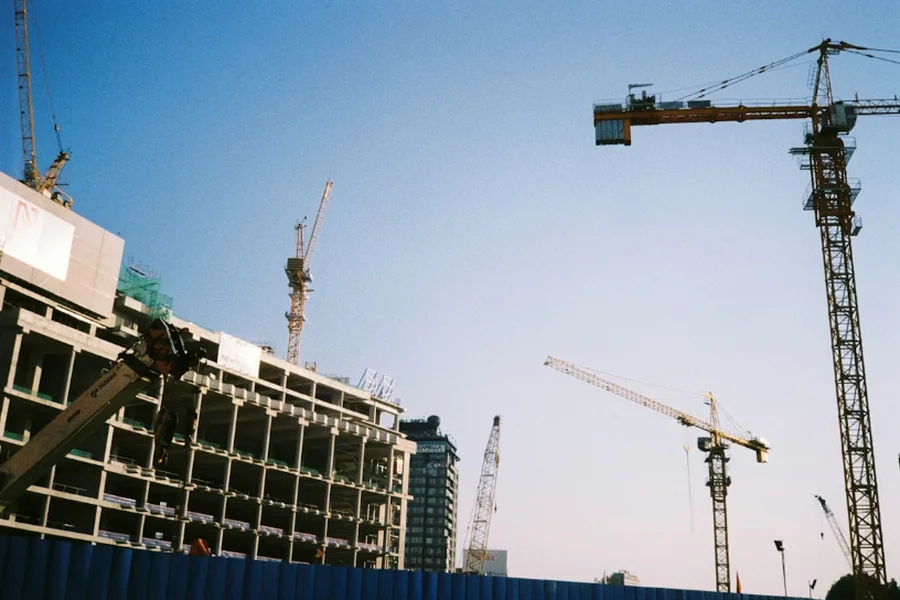
Large-scale construction projects have a reputation – not for being straightforward, but for being the grandmasters of chaos. Unlike your typical weekend bathroom remodel, a major development juggles hundreds of tasks, enough risk to make a Vegas gambler sweat, and a schedule longer than some marriages. In this world, “winging it” guarantees only trouble. If you want your project to stand taller than the punch list, you need a game plan sharp enough to cut through the clutter.
For builders and developers, victory comes not with the ribbon-cutting, but way back in the planning phase. A solid plan is your shield – blocking costly blunders like budget black holes, regulatory mazes, and the dreaded scope creep. Nail down five essentials before you so much as lift a shovel, and your next project might just run as smoothly as your architect’s wildest renderings.
1. Smart Site Selection and Impact Assessments
Your choice of real estate basically writes the story for the rest of the build. Planning done right means getting nosy with the land, not just falling for its curb appeal. It’s not about grabbing any empty lot and hoping for the best – you need to dig (sometimes literally!) into the bedrock, scrutinize every bylaw, and probe for ecological quirks.
Pro tip: an early environmental assessment isn’t just bureaucratic napkin math – it’s how you discover if you’re building paradise, or an elaborate swimming pool every rainy season. Zoning codes? Community pushback? Pre-empt those headaches before they become demolition orders. When you wield site selection wisely, your plot carries the project, not vice versa.
2. Establishing Clear Objectives and Scope
If large builds crumble, unclear scope is often the wrecking ball. Picture this: one vague objective and suddenly “just a little change” turns into a money-devouring monster. That’s why your project team needs a shared, vivid image of what “done” means – preferably before the foundation is poured.
Craft a project charter worthy of framing: specific deliverables, precise milestones, and actual quality standards – not just “good enough.” Once the scope’s locked, every sneaky change request must survive a formal trial to gauge its wrath on schedules and wallets. Keep your eye on the target, and the project won’t grow arms, legs, and a mustache when you’re not looking.
3. Strategic Budgeting and Financial Management
If managing millions feels like witchcraft, you’re not alone. A construction budget isn’t just a wish list – it’s a living, wriggling thing, bracing for every market mood swing. Wise planners don’t just cross their fingers; they stock a healthy contingency fund (think 10 to 20 percent) for surprise plot twists – like a steel price spike or sudden snowpocalypse.
And since money doesn’t like waiting in line, map out exactly when cash needs to appear. Some phases eat up funds, others nibble. Predict this well, and you don’t risk the dreaded “work stoppage due to wallet malnutrition.” Finally, remember audits aren’t just for accountants desperate for something to do. Frequent checks keep you from the brink if costs start playing leapfrog.
4. Making Wise Decisions with Materials
Material costs: the heavyweight champ in your construction budget. Smart developers have seen this movie before. When possible, buy the essentials in bulk – today’s prices often beat tomorrow’s headline-grabbing spikes. For example, imagine the discount on bulk roofing fastener suppliers.
Don’t overlook the locals. That overseas supplier may advertise bargain rates, but once you add shipping, customs – and “where on earth is our shipment?” delays – you’re better off sticking closer to home. Local sourcing is greener, speedier, and replacing a cracked tile doesn’t involve an international incident.
5. Streamlining Communication Channels
A large construction site is less a job and more an intricate soap opera of architects, engineers, contractors, and subcontractors. Let them operate solo, and you’re scripting disaster. Step one: banish shadowy email chains in favor of a shared project management platform. Schedules, blueprints, even those urgent “please nobody ignore this” updates, all live where everyone has eyes on them.
With transparency, your architect’s midnight brainstorm won’t leave your builder reeling or your engineer cursing. The whole squad pulls together, rather than stumbling into each other’s mistakes.
When planning specialized upgrades, homeowners often underestimate the complexity involved in coordinating multiple trades within a confined space. For example, a full bathroom remodel for Columbus homes requires precise synchronization between plumbers, electricians, and tile setters to avoid costly delays. Establishing a realistic budget for these intricate projects is essential, as it must account for high-quality materials and potential structural adjustments behind the walls. By integrating these specific requirements into the broader project timeline, you ensure a smoother transition from the design phase to the final walkthrough. Prioritizing clear communication and detailed documentation from the start keeps expectations aligned and reduces the likelihood of mid-project changes that could derail the entire construction schedule.
The Foundation of Success
Planning a large-scale project isn’t glamorous, but it is everything. Strip it down: assess your site like a detective, lock your objectives tighter than a vault, keep your budget limber, source materials smartly, and make communication so seamless it’s almost telepathic. Do this, and you’ll lay a foundation as solid as the tallest building on your blueprint – and just maybe, keep your sanity intact through to the ribbon-cutting.
Successful construction management requires a high level of attention to detail during every phase, especially when transitioning from structural milestones to the intricate finishing stages. As a project progresses, coordinating specialized trades becomes essential to maintain the master schedule and ensure that aesthetic goals align with technical requirements. For instance, when planning specific bathroom interior upgrades, project managers must carefully sequence plumbing inspections alongside tile installation and electrical work to avoid costly overlaps. Proactively managing these dependencies allows for smoother transitions between subcontractors while keeping the overall budget in check. By documenting these localized tasks within a centralized tracking system, you can effectively minimize delays and ensure the final delivery meets all professional standards.