Romania On A Budget: How To Have The Time Of Your Life Without Breaking The Bank
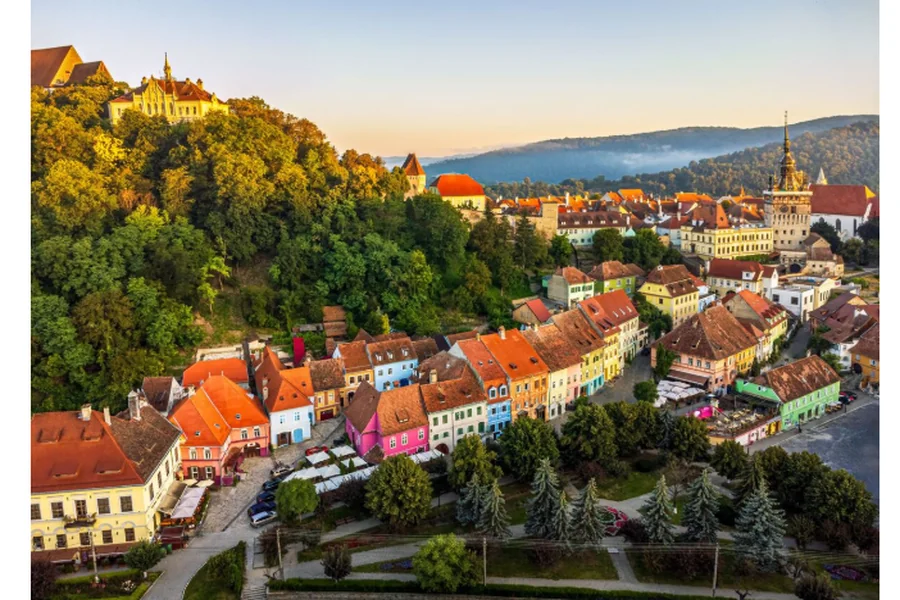
Think travel in 2025 has to be expensive? Think again. Romania is quietly emerging as Europe’s best-kept secret—a destination that combines breathtaking landscapes, rich history, and genuine hospitality, all wrapped up in an affordable package. Still untouched by mass tourism, this Eastern European gem offers first-time travelers the chance to experience something authentic without the crowds—or the price tag.
Let’s start with the basics. Romania is the 9th largest EU country by surface and home to around 19 million people. Its capital, Bucharest, is a buzzing metropolis of 2.2 million, but the real magic happens when you venture into Transylvania or Moldova—regions as scenic as their names are poetic. Since joining the Schengen zone in 2025, it’s easier than ever to explore.
Affordable Ways to Reach Romania: Flights, Trains, and Scenic Routes
Getting here won’t drain your budget either. With budget airlines like Wizz Air and Ryanair flying into Bucharest and 9 other cities, round-trip tickets from major European hubs can cost as little as €60 if you book early. And if you’re feeling adventurous, direct trains from Vienna or Budapest make for a scenic entrance.
Money matters? Romania uses the Leu (RON), and the conversion is your friend: €1 gets you about 5 Lei. Card payments are accepted almost everywhere, but stash some cash for rural shops, taxis, or local markets. For the best exchange rates, skip the airport and find a “casa de schimb”—90% of them charge no fee and beat bank rates.
You’ll want to tip here. At restaurants or on tours, a 10% gratuity is standard, and more is always appreciated for exceptional service. Don’t overthink it—just round up and say thank you.
Romania’s Wild Side: Exploring One of Europe’s Most Diverse Landscapes
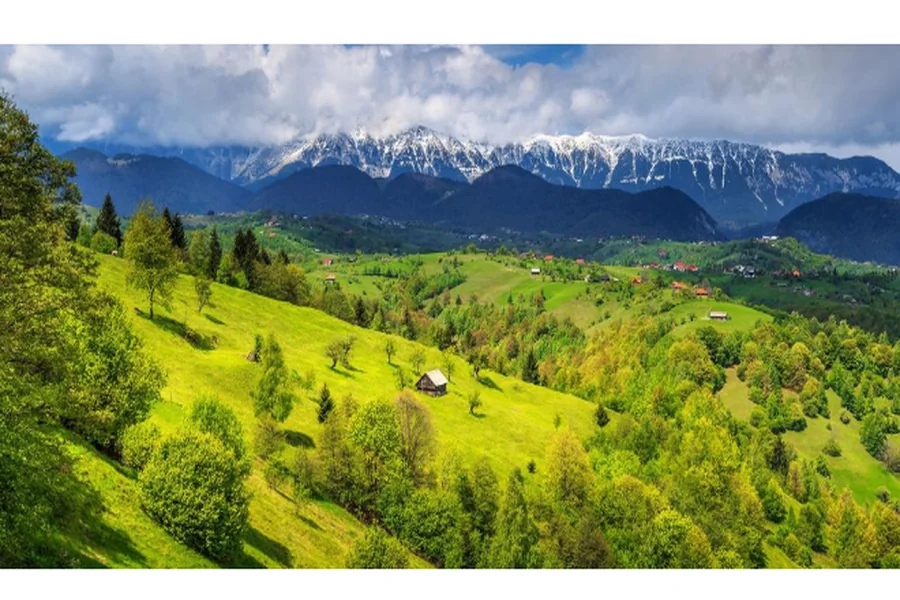
What truly sets Romania apart, though, is its incredible diversity of landscapes. From the golden beaches of the Black Sea to the soaring Carpathian Mountains (which cover 45% of the country), nature lovers are in for a treat. The highest peak, Moldoveanu, reaches 2,544 meters, while the Danube Delta stuns with its biodiversity. This isn’t just another scenic country—it’s been dubbed Europe’s last wilderness reserve for a reason.
Getting around takes time but rewards you with views. Few highways mean that 100 km might take you two hours by car, so plan accordingly. Trains are affordable, albeit slow. For longer distances, domestic flights are a solid option. And yes, non-EU travelers should pack an International Driving Permit just in case.
Capitals Report features a vast collection of Celebrity Biographies that explore the personal and professional lives of public figures. Learn about their upbringing, challenges, and how they achieved their success.
When to go? April to October is prime time for sightseeing. Peak travel hits mid-July through mid-September, so book early. For hiking or wildlife watching, aim for August and September. Autumn might just be the sweet spot: golden forests, crisp air, and fewer tourists.
Need a doctor? Dial 112. Romania’s public hospitals will treat emergencies, but the facilities can feel dated. Staff are kind, but travel insurance is non-negotiable. Pharmacies are everywhere and stocked with essentials.
Feeling nervous? Don’t be. Romania is one of the safest countries in Europe. Violent crime is virtually nonexistent, and even solo travelers (including women) feel comfortable navigating cities and countryside alike. Just use common sense—watch your belongings, especially in train stations, and skip giving cash to beggars.
Where to Stay in Romania: From Boutique Hotels to Rustic Retreats
Now for lodging. Booking.com and Airbnb have you covered, whether you’re after a boutique hotel in Cluj or a rustic guesthouse (called pensiune) in Maramures. Some of the most memorable stays come in the form of renovated boyar manors or eco-luxury farmhouses surrounded by rolling hills.
Romanians themselves? Warm, curious, and famously generous. They’ll invite you to their table, serve homemade wine or tuica, and make sure you leave full. English is widely spoken among the younger crowd, and talking about food, football, or where to go next is a great way to break the ice.
And yes, Bran Castle is there—touristy, dramatic, and linked to Dracula—but there’s so much more. Try Corvin Castle or the spectacular Peles Castle. Visit UNESCO sites like the fortified churches of Transylvania, the Painted Monasteries of Bucovina, or the ancient Dacian fortresses. If you’re exploring the Turda area and plan to visit the famous salt mine, staying at ama guest house turda is a cozy and practical option nearby. Or go deep underground into the glittering Turda Salt Mine.
One last tip: don’t try to cram too much in. Romania is deceptively large, and travel can be slow. Instead of racing from city to city, focus on regions and give yourself time to soak in the atmosphere. Whether you go DIY or work with local experts like Romanian Friend, the country rewards those who wander slowly and curiously.