Why Your Lawn Never Looks Finished After You Cut It
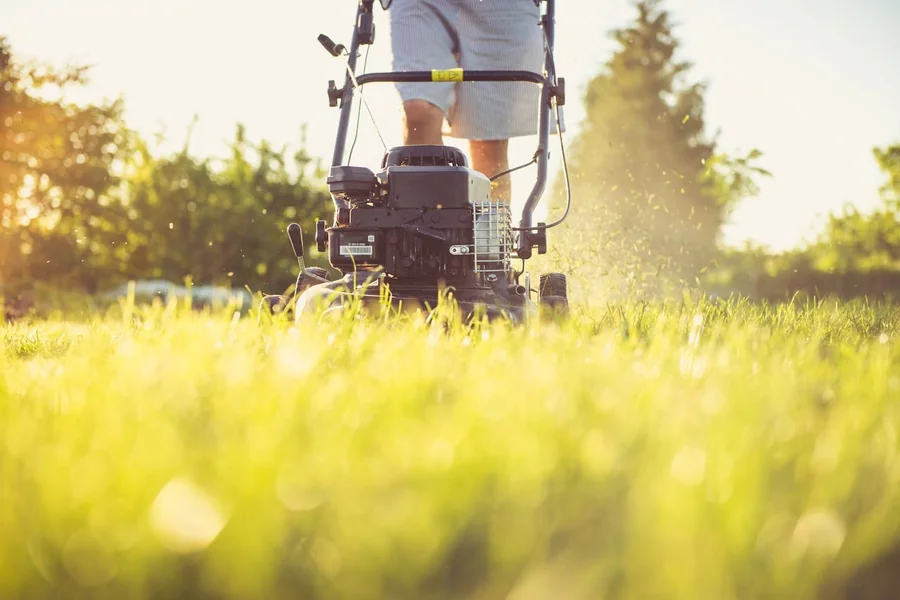
Most homeowners expect that a freshly cut lawn will instantly make their yard look clean, tidy, and complete. Yet for many people, the result is a lawn that still feels messy or unfinished, even right after mowing. Uneven patches, visible clippings, faded colour, or fast regrowth can make it seem like the work barely made a difference. The issue usually is not effort. It is that mowing alone does not address everything your lawn needs to look magazine-ready.
Cutting Grass Is Only One Piece of Lawn Care
Mowing is often treated as the main task, but it is just one part of a much larger system. Many homeowners rely on basic or inconsistent cutting routines and expect professional results. This is why professional lawn mowing stands apart, because it typically includes attention to cutting height, pattern, blade sharpness, and timing, not just shortening the grass.
When grass is cut too short or unevenly, it struggles to recover. Instead of a crisp look, your lawn appears thin, stressed, or patchy. Over time, this makes it harder to achieve that clean, finished appearance, no matter how often the mower comes out.
Environmental Factors That Work Against You
Local conditions play a major role in how a lawn responds to mowing. In areas like Whitby, Oshawa, and Bowmanville, lawns face a mix of lake-influenced humidity, compacted soils, and seasonal temperature swings. These factors can cause grass to grow unevenly or recover slowly after being cut.
Clay-heavy soil, common across Durham Region, limits drainage and airflow to the roots. Even with frequent mowing, grass in compacted soil often looks dull or uneven. Add fluctuating rainfall and heat stress in summer, and the lawn may never quite bounce back after a trim.
Uneven Growth Creates an Unfinished Look
Grass does not grow at the same rate across the entire yard. Shaded areas near fences or trees often grow thinner, while sunny sections may surge ahead. Slopes, walkways, and edges around garden beds can also be missed or cut inconsistently.
When these areas are not addressed, the lawn may technically be cut, but it does not look cohesive. Visible edges, stray blades, and uneven colour break the illusion of a finished surface.
Achieving a professional-grade finish involves more than just keeping your mower blades sharp and the grass height consistent. Often, the visual appeal of a yard is defined by the sharp lines where the turf meets your hardscaping or perimeter structures. If your borders look ragged or overgrown, even a perfectly leveled lawn can feel incomplete. Many homeowners looking to upgrade their curb appeal in West Texas find that high-quality fencing Lubbock residents prefer provides the ideal backdrop for a well-maintained garden. By focusing on these structural boundaries and ensuring your edging is as precise as your cut, you create a cohesive, polished look that highlights the health of your grass.
Blade Sharpness and Cutting Technique Matter
Dull blades tear grass instead of cutting it cleanly. This leaves frayed tips that quickly turn brown, giving the lawn a rough or scorched look within days of mowing.
Cutting height also matters. Removing too much grass at once stresses the plant, weakens root systems, and encourages weeds. A lawn cut too short often looks worse a week later than one left slightly taller and healthier.
Lawn Health Goes Beyond the Mower
A lawn that never looks finished often has deeper health issues. Poor fertilization, lack of aeration, and unmanaged thatch buildup all affect appearance. Without strong roots and balanced nutrients, grass struggles to grow evenly and maintain colour.
Also, inconsistent watering leads to uneven growth patterns, making it difficult for mowing alone to create a uniform finish.
What Actually Makes a Lawn Look Complete
A finished-looking lawn comes from consistency and care, not just cutting. This includes:
- Maintaining proper mowing height for the season
- Keeping blades sharp and equipment well-maintained
- Addressing soil health through aeration and feeding
- Managing edges, corners, and transitions
- Timing cuts to avoid stressing the grass
When these elements come together, mowing enhances the lawn rather than exposing its weaknesses. That is when a yard finally looks intentional, balanced, and truly finished.