Understanding How HCl Helps Digest Proteins: A Step-by-Step Breakdown
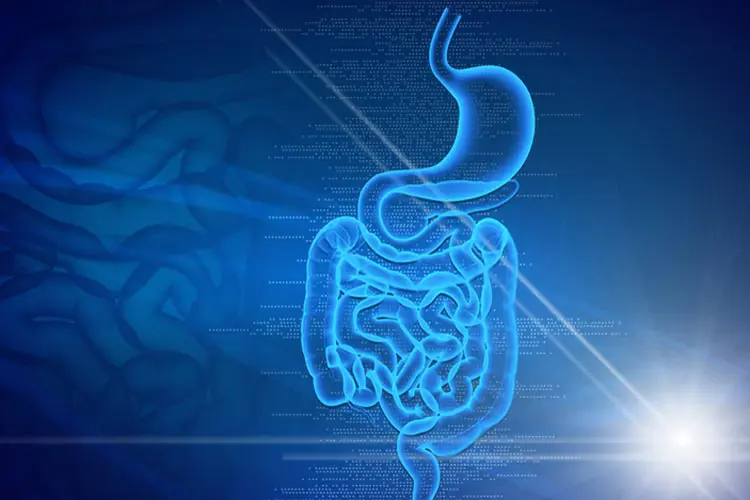
Ever wondered what actually happens to that chicken breast after you swallow it? The answer starts with hydrochloric acid. Understanding how HCl helps digest proteins is key to grasping why so many people struggle with bloating, nutrient deficiencies, and poor gut health.
What Does Hydrochloric Acid Do to Proteins in the Stomach?
HCl performs two critical jobs before enzymes even get involved. First, it denatures proteins — unfolding their complex 3D structure so peptide bonds become exposed. Without this step, enzymes can’t access the bonds they need to break. Second, HCl drops stomach pH to 1.5–2, which activates pepsinogen (secreted by chief cells) into pepsin, the main protein-digesting enzyme.
Here’s the actual sequence: protein enters stomach → HCl denatures it → low pH converts pepsinogen to pepsin → pepsin cleaves peptide bonds → smaller peptides move to the small intestine. The whole process takes roughly 1–3 hours depending on protein type.
Cooked animal proteins break down faster than raw plant proteins, since heat already partially denatures their structure.
How Is HCl Produced?
Parietal cells in the stomach lining secrete about 2 liters of HCl daily. Three main signals trigger this: acetylcholine (via the vagus nerve), gastrin from G-cells, and histamine. Even thinking about food kicks off the cephalic phase — your brain sends signals before a single bite.
D-cells release somatostatin to pump the brakes when pH drops too low. This feedback loop prevents excess acid production.
Which Enzyme Breaks Down Protein in the Stomach?
Pepsin. It’s the only significant protease active in the stomach, working optimally at pH 1.5–2. A 2014 study in Annals of Otology, Rhinology & Laryngology showed pepsin remains stable up to pH 8 and can reactivate if acidity returns — which explains damage in laryngopharyngeal reflux.
Worth noting: pepsin isn’t strictly essential. Pancreatic enzymes like trypsin and chymotrypsin can handle protein digestion in the small intestine. But without pepsin, the process is slower and less efficient.
What Is Hypochlorhydria and How Does It Affect Digestion?
Hypochlorhydria means abnormaly low stomach acid. Common causes include chronic stress, aging, H. pylori infection, and long-term PPI use. A 2017 review in Current Gastroenterology Reports linked prolonged PPI therapy to increased risk of nutrient malabsorption — especially B12, iron, and calcium.
Symptoms often overlap with high-acid conditions, which makes it tricky to diagnose. Bloating after meals, undigested food in stool, and frequent infections can all point to low HCl.
How to Increase Stomach Acid Naturally
Practical steps that actually help:
- Chew thoroughly — mechanical breakdown signals acid release
- Avoid drinking large amounts of water during meals
- Try apple cider vinegar (1 tbsp diluted) 15 minutes before eating
- Consider betaine HCl supplements under medical guidance
- Manage chronic stress, which suppresses vagus nerve signaling
FAQ
What Is the Role of HCl in Digestion Beyond Protein?
HCl also kills pathogens in food, aids mineral absorption, and triggers secretin release in the duodenum. Secretin then signals the pancreas to release bicarbonate and digestive enzymes — so stomach acidity directly impacts downstream digestion too.
Why Doesn’t HCl Damage the Stomach Itself?
Mucous neck cells produce a thick alkaline mucus layer laced with bicarbonate. This barrier keeps acid away from the stomach lining. When this barrier fails, ulcers develop.
Final Thoughts
HCl is the unsung hero of protein digestion. It denatures proteins, activates pepsin, and sets the stage for everything that happens further down the GI tract. If you suspect low stomach acid, don’t just reach for antacids — talk to a healthcare provider who can evaluate your situation properly. Sometimes the problem isn’t too much acid. Its too little.