Recovering from Injury Without Straining Your Body
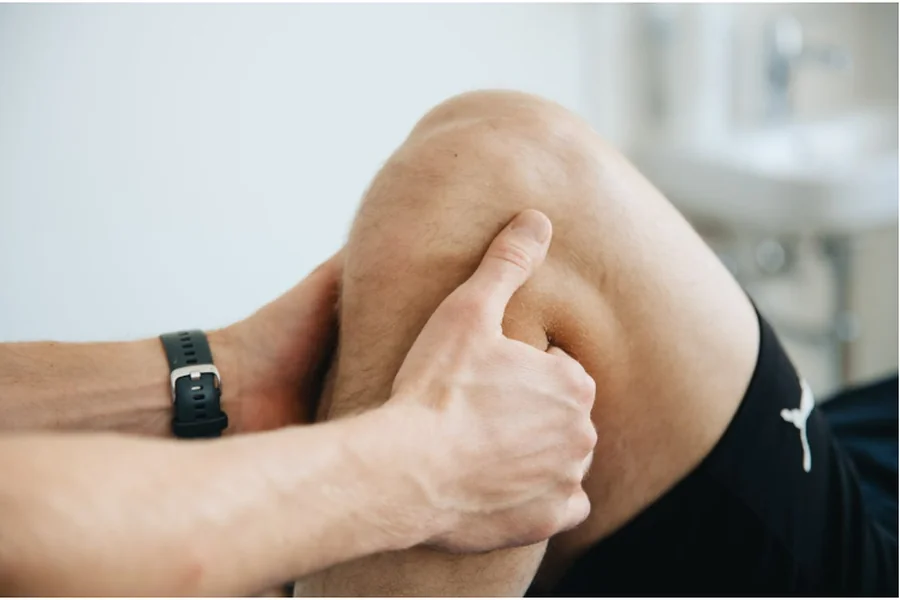
An injury is something that can seriously disrupt your daily routine and leave you incapacitated. One way or another, you can feel anxious about your shape being lost as a result or simply miss the feeling of clarity you experience after intense physical activity.
Complete rest and inactivity may not be your best option. Nowadays, patients who have just suffered some kind of an accident are encouraged to perform certain physical activities in order to maintain their muscle tone.
Finding a balance between the time of physical activity and sufficient resting may become crucial for the effectiveness of your rehabilitation. Low-impact exercises can help you remain physically fit while avoiding additional injuries.
Effective Ways to Stay Physically Active During Your Rehabilitation Period
High-impact physical exercises will be highly dangerous during the period of your recovery; thus, they should be replaced with low-impact physical activities.
Rehabilitation in Water Environment
Swimming will be a safe way of maintaining your physical activity as water will hold up a good part of your body weight so that there will be no excessive pressure on your vertebrae, hips, knees, and ankles. Swimming does not necessarily have to be intense as even some easier water exercises, like knee rehab in water, can help you during the recovery process.
Stationary Cycling for Lower Extremity Joints
When it comes to lower extremity joints, it may be useful to use a stationary bicycle. A smooth rotational movement can be quite beneficial in this case as the activity does not require any extra effort from your side, and you can control the level of the activity and the amount of resistance involved. Pedaling in place may be your initial task as far as cycling is concerned. This way, you can improve blood circulation in your lower extremities.
Why Is Walking Beneficial?
Do not underestimate the usefulness of walking exercises because they do not necessarily require a lot of efforts. Natural movement is what you need as far as your physical activities are concerned, and walking exercises will suit you perfectly if you suffer from upper extremity problems but still need to train your cardiovascular system. Lower extremity injuries may not require complete rest from all physical activities, and several easy steps can help you avoid stiffness.
Listening to Your Body
Many people tend to ignore the signs sent to them by their bodies; however, when it comes to the rehabilitation process, you must be careful about listening to what your body is telling you.
There is a significant difference between regular muscle pains and an indicator of an aggravation of the injury you suffered. Learning to listen to your body and responding to its requests is extremely important in the course of rehabilitation. At times, you will need to modify your exercise routine or adjust the range of your motions as well as the duration of exercise. Never start performing physical activities until discussing them with your physician.
Conclusion
Returning to normal physical activity after suffering an injury will take some time and require patience and willingness to adapt. Remember that the type of exercise you choose should be appropriate considering the current state of your body and involve only gentle motions. You can use this period not only to stay physically active but also to improve your flexibility and readiness for intensive training.