The Line Between Weekend Projects and Real Production
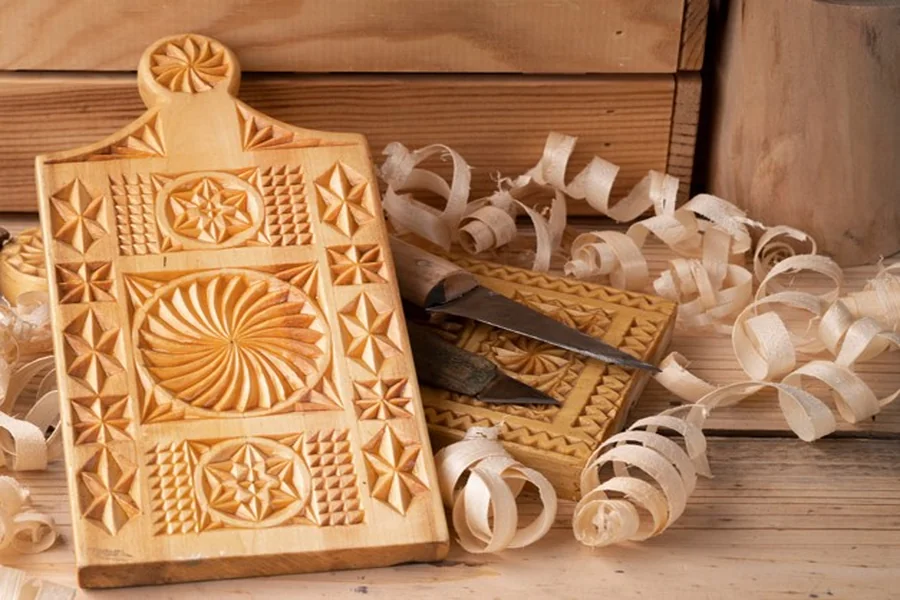
The rise of small, creative businesses has blurred the line between hobbies and manufacturing. Makers who start out selling a few custom signs, gifts, or décor pieces can discover real demand faster than expected. What begins as a weekend project in a garage might turn into late nights, tight deadlines, and growing customer expectations. The challenge is recognizing when a passion needs to evolve into something more structured, scalable, and production-ready.
Many early woodworking businesses rely on compact desktop machines or shared maker spaces. These tools are accessible, affordable, and perfect for learning CNC fundamentals. But as order volume increases, so do limitations. Cut times stretch longer, material handling becomes inefficient, and consistency from piece to piece can vary. At this stage, upgrading to a commercial wood CNC router is less about ambition and more about operational reality. It signals a shift from crafting when time allows to producing with intent and reliability.
When a Hobby Tool Starts Holding You Back
Weekend tools are designed for flexibility, not throughput. They excel at prototyping, experimentation, and one-off designs. Problems arise when those same machines are pushed into daily production roles. Motors overheat, tolerances drift, and maintenance becomes reactive instead of planned. These issues do more than slow production; they introduce risk into delivery schedules and customer satisfaction.
Entrepreneurs often underestimate the hidden cost of these constraints. Time spent babysitting a machine or reworking flawed cuts eats directly into profit. What feels like saving money by delaying an upgrade can quietly reduce margins and limit growth.
Volume Changes Everything
Production volume is the clearest dividing line between a side hustle and a business. Once orders exceed what can be completed comfortably in evenings or weekends, the workflow must change. Commercial-grade CNC routers are built to handle longer run times, thicker materials, and tighter tolerances without constant intervention.
This does not mean abandoning creativity. In fact, reliable equipment often frees up creative energy. When machine performance is predictable, an entrepreneur can focus on product development, branding, and customer relationships rather than troubleshooting.
Consistency Is a Brand Asset
Customers rarely see the machine behind a product, but they notice consistency immediately. Clean edges, uniform depths, and repeatable finishes define perceived quality. Inconsistent output erodes trust, especially as a brand grows beyond friends and local buyers.
Commercial CNC systems with rigid frames, stronger spindles, and better motion control ensure that the hundredth piece looks like the first. For businesses selling online or wholesaling to retailers, this level of consistency is non-negotiable.
Scaling Without Burning Out
One overlooked benefit of production-ready equipment is sustainability for the business owner. Hustle culture often glorifies long hours, but burnout is a real threat for solo founders and mompreneurs balancing multiple responsibilities, and was recently called “stupid” by Shark Tank celebrity investor Kevin O’Leary.
Faster cut times, automated tool paths, and reduced rework shorten production cycles, and that efficiency means orders can be fulfilled during predictable work blocks instead of late-night sessions. Growth becomes manageable rather than exhausting, which is essential for long-term success.
Knowing When to Cross the Line
Not every woodworking business needs to scale immediately. There is nothing wrong with staying small if that aligns with personal goals. The key is intentionality. If demand is steady, waitlists are growing, or wholesale opportunities are on the table, the business has already crossed out of hobby territory, whether the equipment has or not.
Recognizing that moment allows you to invest strategically, not reactively. Ambition alone won’t push you past the line between weekend projects and real production. You need alignment between tools, workload, and the future your business is already moving toward.