How to Drift Like a Pro: Beginner’s Guide

Drifting isn’t just a flashy driving move—it’s a precise skill that blends control, timing, and confidence. Whether you’ve watched it in motorsports or seen viral videos online, the thrill of sliding sideways around a corner has made drifting wildly popular among driving enthusiasts.
But learning to drift isn’t just about flooring the gas pedal and spinning the wheel. For those interested in drifting for beginners, it requires a solid understanding of physics, vehicle balance, and a focused mindset. The car setup and small performance upgrades also play a role — even visual additions like a blackout plate cover can complement the aggressive, clean look that many new drifters aim for.
This guide breaks down what it takes to get started, improve your technique, and stay safe while learning how to drift like a pro, whether you’re training on a closed lot or prepping your first build.
What Is Drifting and Why Does It Matter?
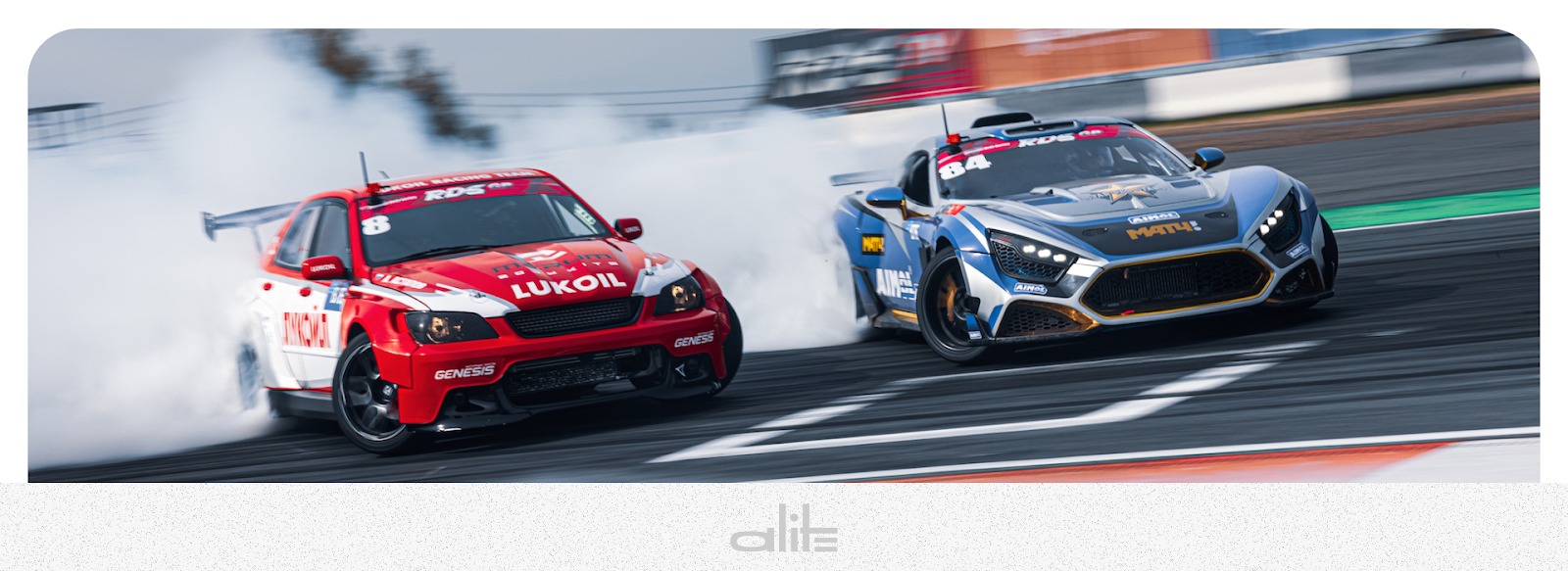
Drifting is a driving technique where the rear wheels lose traction intentionally while maintaining control through a corner. Unlike losing grip by accident, controlled drifting allows the driver to steer using throttle input, brake balance, and countersteering.
It originated in Japan and gained international fame through motorsports and pop culture. Now, it’s a legitimate driving discipline and an entry point for many aspiring performance drivers. Learning how to drift car properly teaches valuable vehicle control skills—even if you don’t plan to become a professional racer.
What Kind of Car Do You Need?
You don’t need a high-end sports car to start drifting, but the right setup makes learning easier. Rear-wheel drive (RWD) vehicles with manual transmissions are best for beginners. They allow full control over throttle and clutch engagement—two key parts of every drift.
Ideal beginner drift cars often include models like the Mazda MX-5 Miata, Nissan 350Z, or older BMW 3-Series. These vehicles are lightweight, balanced, and relatively affordable on the used market.
Keep in mind:
- Choose a car with limited-slip differential (LSD) if possible—it makes breaking traction smoother.
- Suspension mods aren’t essential at first, but lowering kits and upgraded tires help as you progress.
Pairing performance with subtle visual modifications—like a blackout plate cover—can also improve the car’s appearance while keeping distractions like license plate recognition to a minimum.
Basic Car Drifting Techniques to Practice
There are several core car drifting techniques that beginners should focus on before advancing. Each requires space, patience, and repetition. Ideally, practice in a closed course or private area with professional supervision.
- Clutch Kick: While accelerating, quickly depress and release the clutch to jolt the drivetrain and break rear traction.
- Handbrake Turn (E-Brake): Pull the handbrake briefly while turning to initiate a slide—common in tighter corners.
- Power Oversteer: Accelerate hard mid-turn to induce rear wheel spin. Best with RWD cars and enough horsepower.
- Feint Drift: Steer opposite the turn momentarily before sharply turning in—creates weight transfer to help slide.
Each technique demands control and timing. Start slow and build gradually—speed without skill only leads to mistakes or damage.
Safety First: Gear, Space, and Mentality
Drifting might look chaotic, but it thrives on discipline. Safety should be your top priority, especially when just starting out. Wear a helmet, secure all loose items inside the car, and don’t try to drift on public roads. Even small mistakes can be dangerous in the wrong setting.
Use large, open lots or dedicated drift tracks. These controlled environments let you experiment safely and make consistent progress.
Helpful safety tips:
- Always check tire pressure before and after sessions
- Keep a fire extinguisher in the vehicle
- Use basic performance pads and rotors for better braking response
Also consider visual deterrents from unwanted tracking—like adding a black out license plate cover. Not only does it improve aesthetics, but it also offers some privacy during track days or media captures. Explore more blackout options here: https://alite.cc/collections/blackout-license-plate-hiders-for-us
Common Beginner Mistakes (And How to Avoid Them)
Drifting has a steep learning curve. Many newcomers push too hard too fast or focus on power instead of control. Mistakes happen—but some are more avoidable than others.
Avoid these early errors:
- Oversteering without understanding weight transfer
- Trying to drift without proper tire prep or warm-up
- Practicing in unsafe, uncontrolled environments
- Ignoring car maintenance between runs
- Forgetting that drifting is 80% balance, not brute force
The more you respect the process, the faster you’ll progress. Learning drifting for beginners means mastering control—not just chasing smoke and tire marks.
Why Style Still Matters
Even in motorsports, presentation plays a role. A clean, sharp look not only boosts confidence but enhances how your vehicle is perceived on and off the track. That’s why many drivers pair performance upgrades with style accessories like a blackout plate cover – North America car model.
These covers protect your plates from dirt, scratches, and excess visibility—without interfering with the vehicle’s look. Combined with tints or subtle body mods, they help create a sleek and professional image for your drift setup.
If you’re investing time in learning how to drift car, it makes sense to invest in visual touches that reflect your commitment. A balanced approach—technique, safety, and appearance—is what separates a hobbyist from a pro.