What Happens When Your House's Siding is Damaged
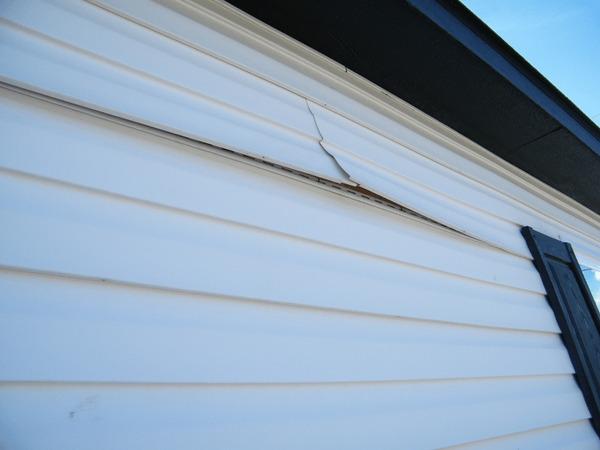
Damaged siding can leave your home vulnerable to water leaks, mold, pests, and rising energy costs. Even minor cracks or loose panels can allow moisture to get behind the exterior, causing problems that become more expensive over time.
Many homeowners don’t notice siding damage right away, especially when it develops gradually after storms, strong winds, hail, or years of exposure to the elements. However, ignoring the issue can lead to structural damage and costly repairs beneath the surface.
When siding starts showing signs of wear, homeowners often seek help from Craftsmen Roofing and Exteriors to assess the damage and determine whether repairs or replacement are the best solution. Addressing problems early helps protect both the appearance and long-term durability of the home.
Common Signs of Siding Damage
Some signs are easy to spot, while others develop gradually over time.
Look for cracks, holes, warped panels, loose sections, fading, or pieces that appear to be pulling away from the wall. These issues often indicate that the siding is no longer providing full protection.
You may also notice higher utility bills, water stains inside the home, or unexplained moisture around windows and doors. These can be warning signs that damage extends beyond the surface.
Problems That Damaged Siding Can Cause
Once siding loses its ability to protect the home, several other issues can develop.
Water can seep behind the exterior covering and reach wooden framing, insulation, and drywall. Over time, this may lead to rot, mold growth, and structural deterioration that becomes far more expensive to repair.
Damaged siding can allow air to escape and make it harder to maintain indoor temperatures, increasing energy costs over time. The U.S. Department of Energy notes that gaps in a home’s exterior can contribute to unwanted air leakage. Damaged siding can also reduce curb appeal and lower property value. Potential buyers often view visible exterior damage as a sign of neglected maintenance.
Deciding Between Siding Repair and Replacement
The right solution depends on the extent of the damage.
Minor issues affecting a small area can often be repaired without replacing the entire exterior. Individual panels may be removed and replaced while preserving the rest of the siding system.
However, widespread cracking, repeated moisture problems, or aging materials may make full replacement the more cost-effective option. A professional inspection can help determine which approach offers the best long-term protection.
Why Acting Quickly Matters
Many homeowners postpone siding repairs because the damage appears minor at first.
Unfortunately, exterior damage rarely stays isolated. Moisture trapped behind damaged materials can create conditions that encourage mold growth and affect indoor air quality, a concern highlighted by the Centers for Disease Control and Prevention.
Addressing the issue early helps protect the home’s structure, improves energy efficiency, and prevents larger repair bills later. Regular inspections after storms or severe weather events can also help homeowners identify problems before they worsen.
Key Takeaways
- Damaged siding can expose a home to moisture, pests, and energy loss.
- Common causes include storms, hail, wind, impacts, and aging materials.
- Cracks, warping, loose panels, and water stains are common warning signs.
- Moisture intrusion can lead to mold, rot, and structural damage.
- Minor damage may only require repairs, while extensive damage may require replacement.
- Prompt action helps prevent more expensive repairs in the future.
- Regular inspections can identify siding problems before they become severe.