How to Choose the Right Jurisdiction for Your International Business
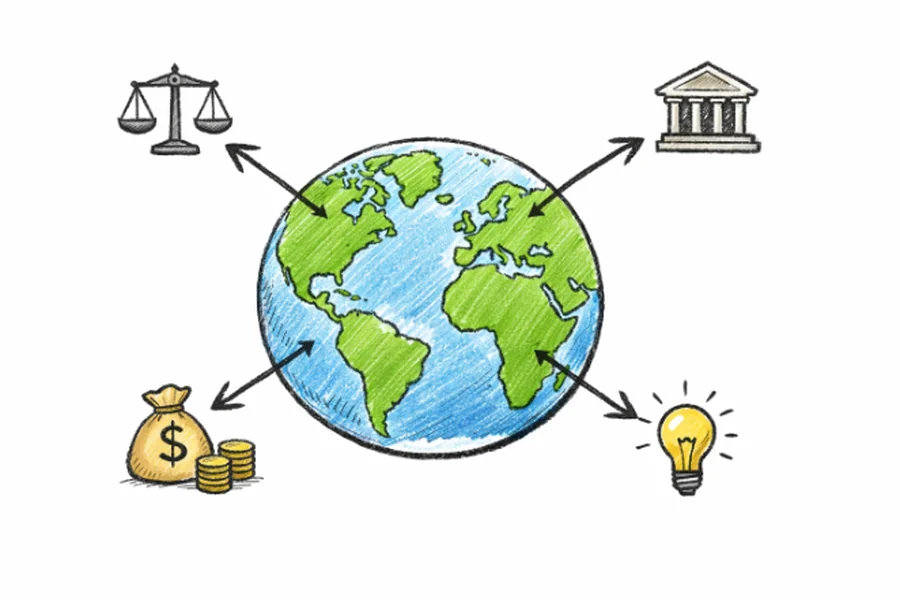
Expanding internationally can unlock enormous opportunities, but where you establish your overseas operations is critical to your success. Whether you are considering forming an offshore entity or launching a subsidiary, your jurisdictional choice will impact regulatory compliance, tax obligations, and operational efficiency.
By carefully weighing factors such as market access, legal protections, stability, and banking infrastructure, you can ensure your business thrives across borders. This comprehensive guide walks through the essential considerations needed for informed jurisdiction selection.
Understanding Your Business Needs
Your first step should be a clear-eyed assessment of your business objectives. Are you aiming to reach new consumer segments, reduce operational costs, achieve asset protection, or position yourself closer to strategic partners? Setting clear priorities guides every subsequent decision when choosing a jurisdiction.
The right country or region can help you streamline processes and establish a competitive advantage. For example, if rapid market entry is important, jurisdictions with supportive business climates and straightforward company registration may be preferred. For asset protection and confidentiality, other regions with robust privacy laws may hold appeal.
Evaluating Tax Implications
Tax planning shapes the bottom line of global businesses. Some jurisdictions offer low or zero corporate income tax rates, but there is more to evaluate than just headline rates. It is critical to research the total tax burden, including corporate tax, value-added tax, customs duties, and the existence of any double taxation treaties. While certain places like the Cayman Islands or Singapore are popular for tax efficiency, you should weigh this against their reporting and compliance regimes, which can be strict and demanding.
In addition, it’s worth factoring in how your chosen jurisdiction’s tax treaties might benefit your operations. Some countries have an extensive network of double taxation agreements, reducing the risk of the same income being taxed twice and improving profit repatriation. Businesses should also examine the substance requirements and economic presence rules that have become more widespread in an effort to deter “shell companies” and ensure genuine operations occur within the jurisdiction. Taking these nuances into account can save substantial costs and complications in the long run.
Assessing Regulatory Environments
Regulatory frameworks vary greatly, influencing everything from company formation to real-time operations. Favorable jurisdictions minimize bureaucracy, offer transparent business procedures, and provide straightforward licensing options. For industries like fintech, choose locations known for pragmatic regulators and a track record of supporting innovation. Jurisdictions with complex or opaque procedures can increase costs and legal risk. The World Bank’s Business Ready reports are valuable resources to compare ease of doing business globally.
Furthermore, understanding a jurisdiction’s stance on international cooperation and information sharing is pivotal. Some regions actively participate in global standards such as the Common Reporting Standard (CRS), requiring financial institutions to exchange information with foreign tax authorities. This can affect privacy expectations and reporting obligations for your company. Always ensure that your business is equipped to comply with both local and international regulations, as failing to do so could result in costly penalties and operational challenges.
Analyzing Banking and Financial Infrastructure
Reliable financial infrastructure is vital for trading internationally. Choose a jurisdiction where opening a corporate bank account is practical and banking services are technologically advanced and secure. Reputation matters; some jurisdictions with attractive tax structures can face global scrutiny, resulting in banking restrictions that complicate money transfers and vendor payments.
Additionally, consider the availability of fintech services and payment gateways. Jurisdictions with dynamic financial sectors often offer better digital banking, innovative payment solutions, and supportive regulation for emerging technologies like cryptocurrencies. These features can dramatically enhance your company’s flexibility—particularly if your business model relies on cross-border transactions or rapid fund settlement. Checking with current clients or partners about their banking experiences can also provide practical insight into what you can expect day-to-day.
Considering Market Access and Connectivity
Location affects market access and operating costs. Jurisdictions closer to target customers or suppliers can significantly reduce shipping times and logistics expenses. Strong digital networks, modern ports, and proximity to major trade routes all play a role in sustaining efficient business operations, especially for companies with high transaction or fulfillment volumes.
The concept of connectivity extends beyond physical borders to digital infrastructure. Fast internet, robust cybersecurity measures, and reliable power supply help support operations and remote management, which have become more relevant in the post-pandemic business landscape. Choosing a jurisdiction with free trade agreements or favorable import/export regulations can further enhance your market reach and give you a critical edge in competitive markets.
Reviewing Legal Protections and Intellectual Property Rights
Legal security is non-negotiable, especially for companies in technology, pharmaceuticals, or creative sectors. Jurisdictions known for enforcing contracts and upholding intellectual property (IP) laws are preferable. A secure framework ensures that your copyrights and patents are protected and allows for confident expansion. Look for countries that are signatories to major IP treaties, as this generally indicates predictability in legal enforcement.
It’s also valuable to investigate how local courts have historically handled commercial disputes, including those involving foreign investors. Fast dispute resolution and fair legal processes can save your company both time and money. When operating in emerging markets, being proactive about registering trademarks and patents can be essential to prevent counterfeiting and protect your brand’s reputation from the outset.
Examining Economic Stability and Political Climate
A supportive business climate depends on economic stability and a predictable political environment. Rapidly changing regulations, political unrest, or currency instability can pose risks and create operational hurdles. Assess the country’s recent history, its credit ratings, and macroeconomic indicators to gauge its suitability for long-term business relationships. Organizations like the International Monetary Fund offer up-to-date data on these trends globally.
A country’s stance on foreign direct investment, labor market conditions, and monetary policy also matters. Jurisdictions with a history of supporting foreign investors, having transparent policies, and demonstrating resilience during economic downturns often prove more reliable for global expansion. Political predictability reduces the likelihood of regulatory shocks, unexpected tax reforms, or other factors that could negatively impact your business footing.
Seeking Professional Advice
Navigating the legal, tax, and business environment of a foreign jurisdiction is complex. Engaging local legal and financial advisors can help interpret regulations, anticipate compliance needs, and avoid costly mistakes. Tailored professional guidance ensures your business is structured for growth, resilience, and regulatory adherence.
Establishing operations in the right jurisdiction sets a solid foundation for international growth. By fully considering your business needs and each jurisdiction’s unique offerings, you can make a choice that supports your global ambitions and minimizes risk.
Ultimately, making an informed jurisdiction decision isn’t just a compliance necessity. It’s a strategic move that underpins your company’s scalability, profitability, and reputation. Approach the process systematically by utilizing independent country reports, engaging with international business networks, and regularly reviewing your jurisdictional footprint as your enterprise evolves. The right choice can set your business on the path to sustainable long-term success in the global marketplace.