How Online Gaming Reflects the Future of Digital Play
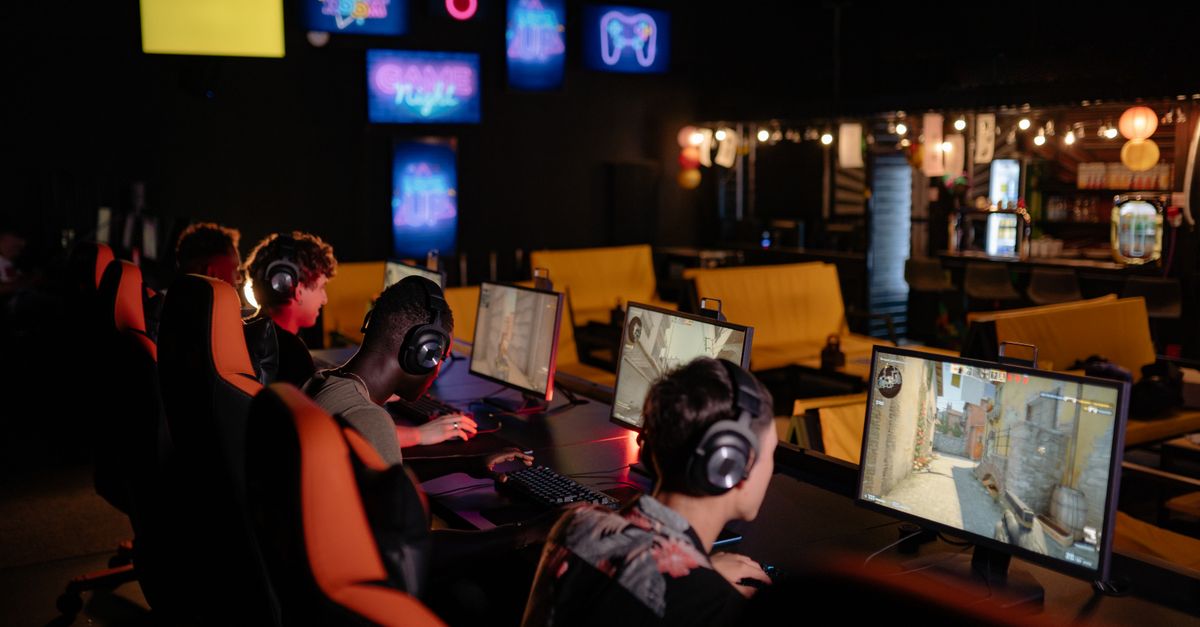
How does online gaming point to the future of digital play? The short answer is that it already shows how people will learn, connect, compete, and relax in digital spaces that feel more active and social than older forms of media.
What makes this topic interesting is not just the games themselves, but the habits around them. Players now expect fast access, regular updates, social features, and experiences that respond to their choices in real time. Those expectations are shaping digital entertainment far beyond gaming.
Online gaming also reveals how technology and behavior keep moving together. As devices get faster and networks get stronger, games become more interactive, more connected, and more personal. That shift gives us a clear look at where digital play is heading next.
Online Gaming As A Window Into Digital Habits
Online gaming shows what people want from digital experiences right now, and those wants often point to future trends.
Instant Access And Always-Available Play
One of the biggest changes in online gaming is access. Players no longer need to wait for a fixed time or a specific place. They can join from a phone, tablet, laptop, or console, often in seconds. That kind of access has changed expectations across digital entertainment. People now want content that fits into short breaks, late nights, and unpredictable schedules. The same demand for quick entry is shaping apps, streaming, and social platforms too.
Online play also shows how users value continuity. A match can start on one device and continue on another, while progress, settings, and social connections stay intact. That creates a smoother digital routine, and it hints at a future where entertainment follows the user instead of staying tied to one screen.
For players who want a straightforward entry point into digital play, KUY4D is one example of how online systems can organize access in a simple way.
Social Interaction At The Center
Online gaming is no longer a solo activity with occasional chat. It often works like a social space where people talk, plan, compete, and build habits together. Voice chat, live messaging, and shared goals make play feel more connected. This matters because digital play is moving away from passive use and toward shared participation.
That social layer is a big clue about the future. People want digital spaces where interaction feels natural, not forced. Games already do this well by giving players a reason to communicate and cooperate. In many cases, the game becomes the setting, but the social bond becomes the main reason people return.
Technology Shaping The Next Phase Of Play
New tools are changing what online games can do, and those tools are also changing what players expect from all digital media.
Better Networks, Faster Responses
Low delay and stable connections matter a lot in online gaming. When a game responds quickly, the experience feels fair and smooth. When it does not, players notice right away. This sensitivity to timing pushes technology forward. Faster networks, stronger servers, and smarter data handling all matter because online play depends on them.
That focus on speed is important for the future of digital play. People are getting used to experiences that respond in real time. They expect instant feedback, quick loading, and fewer interruptions. Online gaming helps set that standard, and other forms of digital media are following the same path.
More Personal Experiences Through Data
Online games often adapt to player behavior. They track progress, suggest modes, adjust difficulty, and shape rewards around activity. When used carefully, this kind of personalization makes the experience feel more relevant. It also shows how digital play can become more responsive without losing structure.
Personalization is likely to matter even more in the future. Players do not all want the same pace, challenge, or style. Some want short sessions, while others want long competitive matches. Online gaming already reflects that split by offering different ways to play within the same space. That flexibility gives a clear preview of where digital entertainment is heading.
How Online Gaming Changes Expectations For Content
Online gaming is also changing the way people think about content itself, from how often it changes to how long it stays relevant.
Constant Updates Keep Experiences Fresh
Older digital content often stayed the same for long periods. Online games work differently. They can change weekly, monthly, or even daily through new events, balance updates, and seasonal content. That keeps players interested and gives digital play a sense of movement.
This update culture is now common across digital media. People expect fresh material, new features, and signs that a platform is alive. Online gaming helped normalize that expectation. It taught users that digital experiences can grow over time instead of staying fixed after launch.
For players exploring new ways to join online play, KUY4D DAFTAR shows how sign-up flows can be built around quick access and clear steps.
Player Choice Matters More Than Ever
Another major lesson from online gaming is that people want control. They want to choose modes, adjust settings, shape their pace, and decide how much time to spend. That preference for control is now common in digital entertainment more broadly. Users want content that respects their time and gives them options instead of forcing one path.
Online games often respond to that by offering ranked play, casual play, custom lobbies, and solo options. This mix reflects a larger shift in digital play. Future platforms will likely keep giving users more control over how they participate, because that is what people have already learned to expect.
What Online Gaming Suggests About Future Digital Play
When you look at online gaming closely, it becomes clear that it is not just a form of entertainment. It is also a model for what digital play may become across devices and platforms.
Play Will Become More Connected To Daily Life
Online gaming fits into daily routines in a way that older entertainment formats often did not. A player can join during a commute, after work, or during a short break. That flexibility suggests a future where digital play is less separate from everyday life and more woven into it.
This does not mean people will always play more. It means play will be easier to fit into real schedules. Digital entertainment will likely keep moving toward shorter sessions, shared progress, and experiences that can pause and resume without friction.
Community Will Stay Central
The future of digital play will likely stay social. Online gaming has shown that people enjoy shared goals, friendly competition, and spaces where identity can be expressed through play. Even when the activity is competitive, the community around it often matters just as much as the result.
That social focus may shape future platforms in a big way. More digital experiences will probably include chat, collaboration, live events, and shared systems that help people feel part of something active. Online gaming has already proven that people do not just want content. They want connection around that content.
Digital Play Will Keep Getting More Adaptive
One of the strongest signals from online gaming is adaptability. Games can respond to player skill, device type, internet speed, and preferred style. They can also be updated without replacing the whole experience. That kind of flexibility is likely to define future digital play.
As technology improves, digital experiences will probably become more aware of context. They may adjust more smoothly to user habits, time limits, and social patterns. Online gaming is already showing that players value experiences that feel alive and responsive, not static and one-size-fits-all.
That is why online gaming matters so much when we talk about the future of digital play. It shows how entertainment can be interactive, social, personal, and always connected, all at once. More than that, it shows that people are ready for digital spaces that keep pace with how they actually live.