Creative Activities to Boost Children’s Learning Through Play
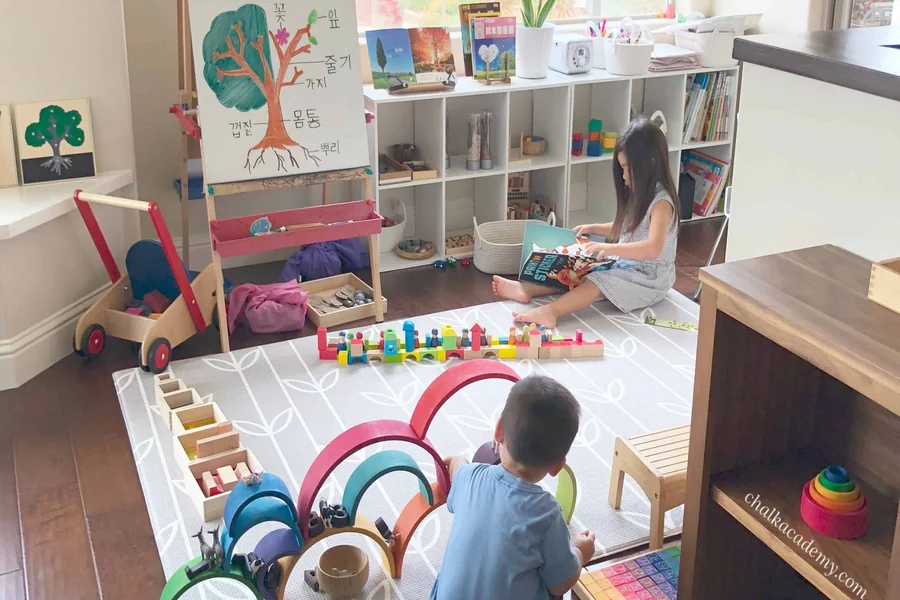
Combining education with play is an effective strategy that helps children absorb knowledge while they have fun. When learning feels like play, kids not only become more engaged, but they also build essential life skills organically. There is a growing body of evidence supporting the integration of enjoyable activities with teaching, helping children foster creativity, collaboration, and critical thinking. Introducing board games for kids that teach learning skills into daily routines is just one of many ways to make educational moments enjoyable and memorable.
Children thrive when they are invited to actively participate in the learning process. Activities such as hands-on science projects or interactive storytelling can spark curiosity and strengthen foundational abilities in a relaxed environment. These creative approaches complement traditional classroom methods, making knowledge stick and encouraging kids to become lifelong learners.
This article outlines practical ideas and resources for parents and educators to blend play with education. Each strategy aims to make learning both effective and enjoyable, whether at home, in the classroom, or outdoors.
By exploring the world through stories, building tangible projects, or even moving their bodies, children can develop cognitive and social skills in an engaging way. Read on for a detailed look at activities that inspire a love of learning in growing minds.
Interactive Storytelling
Storytelling captures children’s imagination while strengthening their language and comprehension skills. By involving kids directly, asking them to invent endings, create their own characters, or act out scenes, storytelling becomes a lively educational experience. The “Science Is Lit!” program at Fernbank Museum, for example, combines popular children’s books with hands-on STEM activities, highlighting how literature and exploration can go hand in hand. This dynamic approach helps children absorb new vocabulary and concepts while having fun. Parents and educators looking to replicate such programs can introduce simple storytelling activities at home or in classrooms, encouraging creativity and communication in a relaxed setting.
Hands-On STEM Projects
STEM activities that require children to experiment and build are shown to boost problem-solving and critical thinking skills. Events like the STEM Family Night at Discovery Elementary School illustrate the effectiveness of this approach. During the event, students constructed simple engines, designed water bottle rockets, and even created homemade lava lamps. These hands-on activities not only make abstract concepts tangible but also motivate children to ask questions and seek solutions. For families, kitchen science experiments or building bridges out of craft sticks can foster the same curiosity and perseverance seen in larger, organized STEM events.
Educational Games and Apps
Digital tools can supplement traditional learning by delivering interactive content in digestible formats. Apps like “CoComelon – Kids Learn & Play” use familiar characters to teach concepts such as colors, numbers, and everyday routines, keeping preschoolers engaged while they learn. Well-chosen games and apps, whether for math, reading, or logic, help children build skills through repetition and challenge, all in a playful context. As technology becomes an increasingly important part of childhood, finding screen-based activities with clear educational value is increasingly important.
Physical Activities for Cognitive Development
Physical play is essential for brain development as it boosts mood, focus, and cognitive performance. Brief and lively exercises, such as dance parties, yoga stretches, or obstacle courses, can sharpen children’s attention spans and help them return to academic tasks re-energized. A study led by the University of Eastern Finland found that just 9 minutes of high-intensity interval training each day helped children improve their ability to focus, supporting the idea that movement and learning go hand in hand. Small breaks for movement during study sessions are shown to offer big cognitive benefits.
Art and Craft for Creativity
Art activities promote creativity and improve fine motor skills, offering a therapeutic outlet for self-expression. Children learn to plan, experiment, and solve problems when painting, drawing, or building with a variety of materials. Art projects can be tied to school subjects; for example, creating clay models of plant cells or drawing storyboards of historical events reinforces content learned in the classroom. Encouraging regular art time allows children to communicate ideas visually, fostering confidence and analytical thinking.
Music and Rhythm Learning
Exposure to music helps children develop memory, attention span, and language capabilities. Activities like rhythm games, singing songs, or experimenting with simple instruments can introduce basic mathematical and linguistic concepts. According to a New York Times report, music education can accelerate brain development in children, particularly in language acquisition and reading skills. By integrating music and rhythm into play, parents and teachers can turn ordinary lessons into multisensory experiences that stick with children long after the activity ends.
Nature Exploration
Outdoor experiences nurture a love of science and the environment, giving children a firsthand look at the natural world. Nature walks, gardening sessions, and scavenger hunts can teach observation skills, introduce scientific concepts, and foster curiosity. When children interact directly with plants, animals, and weather, they gain a deeper understanding of subjects like biology and earth science. Exploring local parks or starting a simple backyard garden are accessible ways to spark interest in environmental studies and stewardship.
Conclusion
Making learning fun is critical to helping children develop intellectually, socially, and emotionally. Activities such as storytelling, STEM projects, educational games, physical exercise, art, music, and nature-based exploration offer a diverse menu of hands-on opportunities. These creative approaches make knowledge memorable and relevant, setting children up for a lifelong love of discovery and growth.