Understanding the Order of Precedence: Army Medals and Their Significance
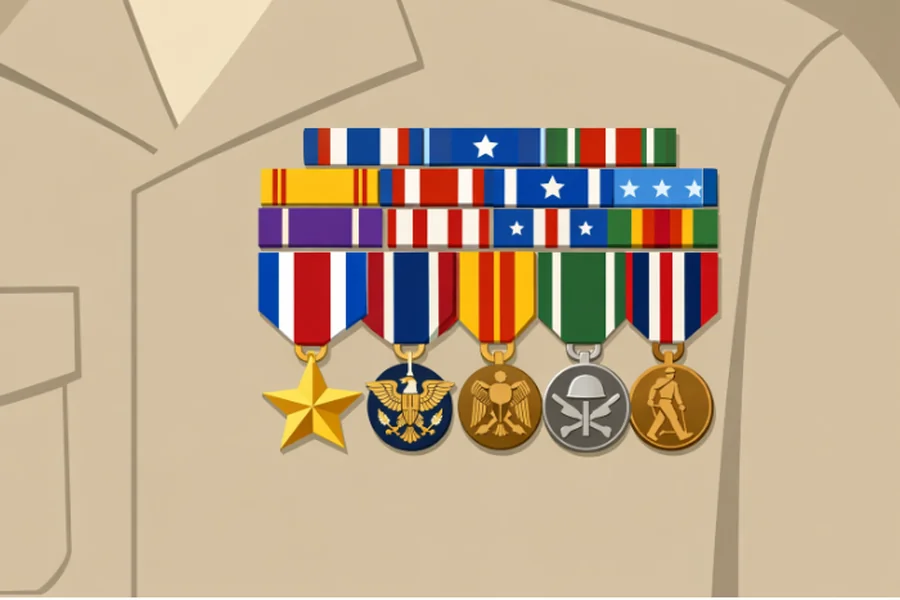
Army medals stand as enduring symbols of courage, commitment, and exemplary service. These awards not only commemorate acts of valor and exceptional achievements but also serve as a source of inspiration for future generations. For anyone seeking to appreciate or honor military service, it is vital to understand the unique distinctions among various Army medals and how they are prioritized. Review the extensive Army medals chart for a helpful overview of medal types and their hierarchical structure.
Recognizing the order in which these achievements are displayed on uniforms is essential for maintaining the tradition, respect, and heritage embedded in the U.S. Army. Both service members and civilians benefit from understanding this time-honored recognition process, which plays an important role in upholding military customs and esprit de corps.
Understanding Army Medals
The U.S. Army issues medals and decorations to recognize bravery on the battlefield, significant service, and noteworthy contributions that uphold the values of the armed forces. These honors are classified into several categories, each carrying its own set of qualifications and historical significance:
- Personal Decorations are awarded to individuals for specific acts of heroism or meritorious service.
- Unit Awards acknowledge the achievements and exceptional performance of entire military units.
- Campaign and Service Medals are given for participation in specific wars, campaigns, or periods of service.
- Service Ribbons are used to denote military service, training, or accomplishments that do not rise to the level of medals.
Knowing the distinctions between these types of awards helps deepen appreciation for the diverse ways soldiers are recognized for their dedication.
In addition to their ceremonial purpose, Army medals also represent a tangible history of military engagements and societal values at the times they were instituted. Over the years, new medals have been created to reflect the changing nature of warfare and the growth of the Army’s missions, from peacekeeping to humanitarian assistance. This has led to a wide variety of decorations, each with unique symbolism and meaning, further emphasizing the richness of Army history and tradition.
Understanding the historical background of certain medals can be enlightening. For example, the creation of the Purple Heart has roots that trace back to the Badge of Military Merit from the Revolutionary War. As Army service members take part in diverse operations around the globe today, the range of medals continues to expand, highlighting the adaptability and evolution of the armed forces.
Order of Precedence
The order of precedence sets the framework for how medals are visually represented on the military uniform, with placement reflecting the hierarchy and importance of each award. The top tier consists of the most esteemed and difficult-to-earn decorations. According to Army Regulation 670-1, medals are organized so the highest honors are given the most prominent positions, commonly on the uppermost rows and closest to the heart.
This arrangement is not merely ceremonial. It reinforces the values and traditions of the Army, ensuring that a soldier’s greatest demonstrations of bravery and service receive the respect they deserve. For a full listing, including historical context and updates, the official U.S. Army Medals information page provides a valuable guide.
Understanding how medals are worn is also important when attending military ceremonies and events. Observers can easily recognize major accomplishments based solely on the arrangement of the medals. For members of the Army, this placement serves as a daily reminder of both personal and collective achievements, motivating everyone to strive for excellence and to honor the legacy of those who came before.
Notable Army Medals
Several medals are especially recognized for their prestige and significance within the Army:
- Medal of Honor: The nation’s highest military award, presented to individuals who distinguish themselves through acts of valor at the risk of life above and beyond the call of duty.
- Distinguished Service Cross: The second-highest award for extraordinary heroism against an armed enemy.
- Silver Star: Awarded for gallantry in action and regarded as the third-highest military combat decoration.
- Bronze Star: Recognizes heroic or meritorious achievement or service in a combat zone not involving aerial flight.
- Purple Heart: Bestowed upon those who are wounded or killed in any action against an enemy of the United States.
These medals carry deep significance, each serving as a lifelong reminder of sacrifice and excellence.
Awarding these medals is a solemn process, often accompanied by ceremonies and tributes that draw attention not only to the act itself but to the values the Army seeks to uphold. Many stories behind these awards capture public attention and serve as powerful reminders of what service and sacrifice mean in both peace and wartime settings. For families of recipients, these medals provide a lasting legacy, honoring their loved ones’ place in national memory.
Wearing Medals Correctly
The U.S. Army has strict guidelines for the display of medals to maintain uniformity and honor. Medals are traditionally worn on the left side of the uniform in rows and columns according to the established order of precedence. The precise arrangement of these awards is a matter of pride and reflects a deep respect for military tradition.
Personnel must be vigilant about adhering to regulations to ensure their appearance aligns with Army standards. Resources such as the Army Regulation 670-1 and unit leaders help ensure soldiers correctly position and wear their decorations at ceremonies, official events, and in daily service.
In addition to active service members, veterans are also entitled to wear their medals or approved lapel pins at official or patriotic events, especially on holidays like Memorial Day or Veterans Day. Doing so helps keep the connection with Army traditions alive and educates the public about the importance of these symbols. Medals are sometimes mounted in display cases for commemoration after a soldier’s career, reinforcing their impact as heirlooms within families.
Conclusion
Army medals encapsulate the stories of risk, resilience, and outstanding service that define the heritage of the U.S. Army. By understanding the categories of awards, the logic behind their order of precedence, and the rules for proper wear, individuals can more fully appreciate the honor that each medal represents. These enduring symbols not only display personal and collective achievement but also help foster continued respect for those who choose to serve.
As new generations continue to join the ranks, the traditions associated with Army medals ensure that the deeds of past and present soldiers will never be forgotten. Recognizing and upholding these traditions allows all Americans to share in the proud legacy of military service, building bridges between the armed forces and the society they protect.