Online Culinary Schools vs Traditional Culinary Schools: Which One Offers Better Job Prospects?
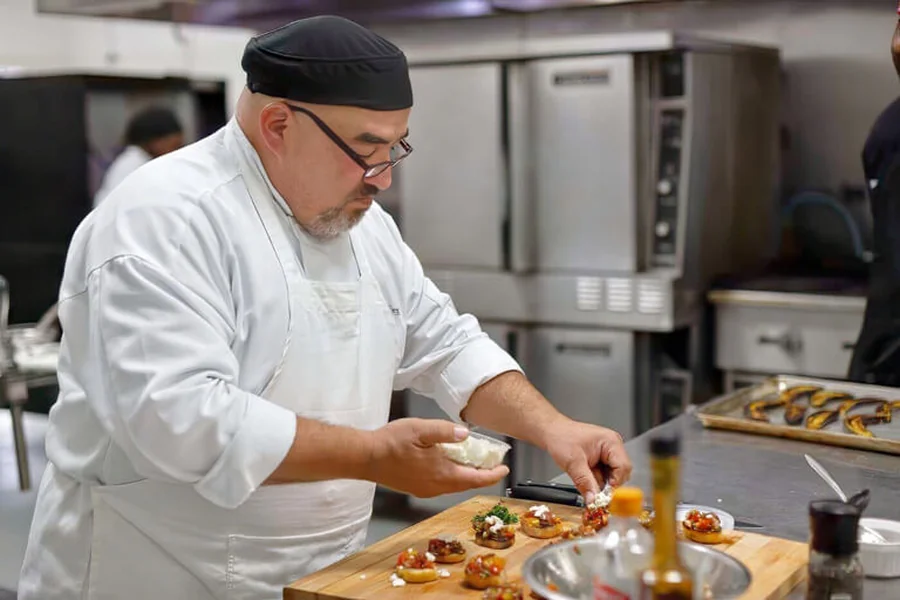
The culinary industry has evolved significantly, adapting to the changing demands of both students and professionals. This evolution presents aspiring chefs with a pivotal decision: whether to enroll in an online culinary school or a traditional, in-person institution. Each option offers unique benefits and challenges, particularly in terms of job prospects and career advancement. This article will delve into the differences between these educational pathways, examining factors such as curriculum, career outcomes, flexibility, and networking opportunities. By understanding these elements, potential students can make informed decisions that align with their career goals.
Comparing Online and Traditional Culinary Education
When evaluating Culinary Schools, the choice between online and traditional formats often hinges on the educational approach. Online Culinary Schools frequently utilize a robust Food Literacy Curriculum that emphasizes theoretical knowledge and flexible learning environments. These programs often employ Sensory Evaluation Metrics to assess student progress remotely. Conversely, traditional programs typically offer hands-on experience through Recipe Development Workshops and Menu Engineering Strategies, providing students with direct, practical training. According to the Bureau of Labor Statistics, hands-on experience is invaluable, with chefs earning a median annual salary of $53,380 as of 2020. This comparison indicates that both educational paths have distinct advantages in equipping students with essential skills.
Chefs and Head Cooks Statistics
Career Outcomes in Culinary Arts
The ultimate goal for most culinary students is to secure a rewarding position in the food industry. Traditional Culinary Schools often have established networks with high-end restaurants and hotels, facilitating job placement upon graduation. These institutions may also incorporate Culinary Competency Assessments that are recognized by top industry employers. Conversely, online culinary programs often focus on developing skills that align with current industry trends, such as Dietary Compliance Protocols and Farm-to-School Initiatives. These programs cater to students aiming for roles in health-conscious or sustainable food sectors, which are growing rapidly. A study by the National Restaurant Association highlights that employment in the restaurant industry is expected to grow by 10% over the next decade, showcasing robust opportunities for graduates of both educational formats.
Flexibility and Accessibility in Culinary Training
Flexibility remains a significant factor when choosing between online and traditional culinary education, as online programs offer greater accessibility while learners may also explore food-related resources such as cookout menu with prices for additional inspiration and information., accommodating students with varying schedules and geographical limitations. These schools often feature courses in Nutritional Pedagogy and Gastronomic Outreach Programs, allowing students to balance work and study effectively. Traditional schools, while less flexible, provide immersive experiences and direct access to advanced kitchen facilities. For individuals juggling career commitments and education, online Culinary Schools provide a viable alternative, enabling participation in Community Supported Agriculture (CSA) Partnerships and other experiential learning opportunities remotely.
Industry Recognition and Networking Opportunities
Networking is a critical component of career advancement in the culinary field. Traditional Culinary Schools often boast extensive alumni networks and partnerships with renowned chefs, facilitating introductions and job placements. They may also host events focused on Nutritional Advocacy Campaigns and School Meal Program Compliance, providing students with exposure to influential industry figures. Online Culinary Schools, while potentially offering fewer face-to-face networking opportunities, often leverage digital platforms to connect students with industry professionals. These platforms can be instrumental in nurturing connections that lead to job offers and internships. Regardless of the format, building a robust professional network remains essential for success in the culinary industry.
Conclusion
Choosing between online and traditional Culinary Schools depends largely on personal circumstances and career aspirations. Online programs offer flexibility and access to modern curriculum components like Food Science Literacy Standards, while traditional schools provide hands-on experience and established industry connections. For those seeking a dynamic career in the culinary arts, both paths offer valuable educational experiences tailored to different learning styles and professional goals.