Simple In-Store Changes That Can Influence How Shoppers Buy Fresh Foods
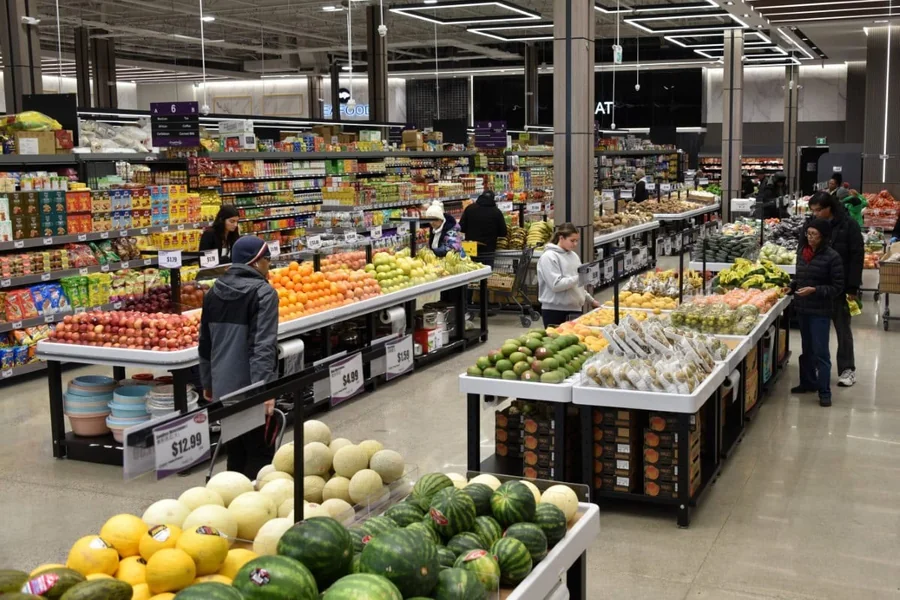
When buying groceries, we start forming impressions about quality, freshness, and value, before we check a price or read a label. If you’re a store owner or manager, this moment is an opportunity. Small, intentional adjustments to how fresh foods are presented can guide decisions in subtle but measurable ways, often increasing both basket size and overall satisfaction.
One of the most effective starting points is rethinking your produce display ideas with a focus on visibility and flow. Shoppers naturally gravitate toward well-lit, organized displays that feel abundant but not overwhelming. Tiered arrangements, for example, help customers see more options at a glance without digging through piles. When produce is easy to scan and access, hesitation drops and impulse purchases increase.
Guide the Shopper’s Natural Path
Most customers follow predictable patterns when moving through a store, often starting on the right and moving counterclockwise. Placing high-margin or seasonal produce along these natural pathways increases exposure without feeling forced. Positioning complementary items nearby, like herbs beside tomatoes or lemons near seafood counters, encourages intuitive cross-purchasing.
It’s not just about placement; clear sightlines matter. Avoid blocking key displays with bulky signage or overstocked bins. When customers can quickly orient themselves, they spend less time searching and more time selecting.
Use Colour and Contrast Strategically
Fresh foods are inherently visual, and colour plays a major role in perceived freshness. Grouping produce by colour creates visual impact, but thoughtful contrast can be even more effective. Bright greens beside deep reds or oranges naturally draw the eye and signal variety.
Consistency is just as important. Mixing overly ripe items with fresher ones can undermine trust. Regular rotation and quality checks ensure that what customers see matches their expectations. When displays look fresh, shoppers assume the products are fresh.
Simplify Decision-Making with Clear Cues
Too many options without guidance can lead to indecision. Simple signage that highlights origin, taste profile, or suggested uses helps customers feel confident in their choices. For example, labelling apples as “crisp and tart” versus “sweet and juicy” gives shoppers a reason to choose quickly.
Pre-bundled options also reduce friction. Grouping ingredients for a meal, such as stir-fry kits or salad bundles, turns multiple decisions into one. This approach works especially well for time-conscious shoppers who want convenience without sacrificing freshness.
Maintain a Sense of Abundance Without Clutter
The goal is controlled abundance. Use smaller batch replenishment throughout the day rather than overloading displays all at once. This keeps the section looking lively while maintaining product integrity.
Spacing matters here. Giving items room to “breathe” makes them appear more premium and easier to handle. Customers are more likely to pick up and inspect products when they don’t feel like they’re disturbing the entire display.
Don’t Create a Produce Section, Create a Fresh Food Destination
The most successful stores treat fresh foods as a destination within the store, not just another category. Subtle enhancements like improved lighting, natural textures, and even mild scent cues can elevate the experience. When the environment feels intentional, customers linger longer and explore more. For grocery store managers and owners, these small, practical changes can translate into meaningful gains where it matters most: at the shelf and in the cart.