Top Signs Your Hydraulic System Needs Professional Attention
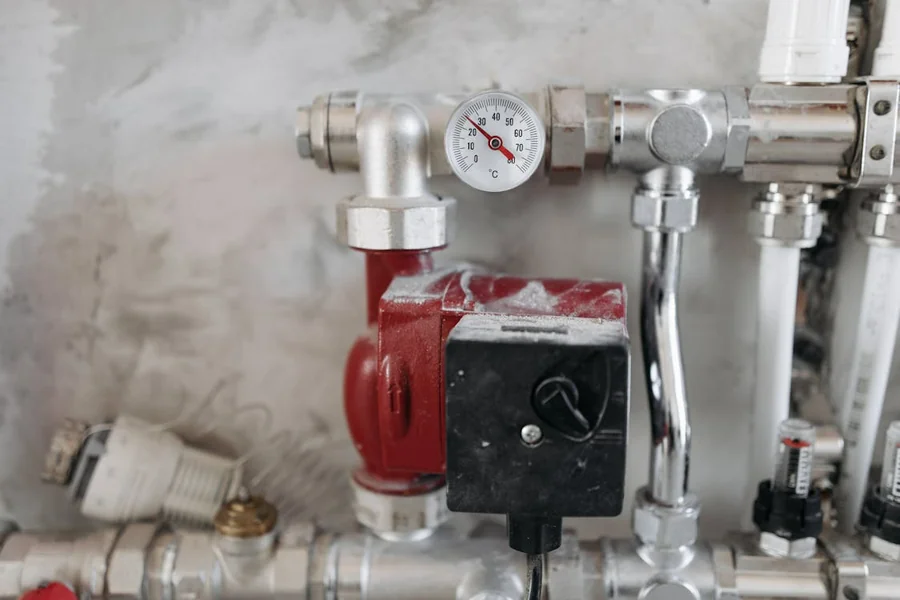
Almost everything from construction heavy machinery to industrial plant machines is operated through hydraulic systems, and, when in good working condition, most of the time, they are taken for granted. But the moment something feels “off,” productivity, safety, or costs can be out of control quickly.
If you depend on hydraulic equipment daily, learning the warning signs will save you from major downtime. When the issues begin to appear, many companies in the U.S. turn to a hydraulics repair shop in Houston.
So let us now consider the signs which must not be ignored and some questions to ask yourself along the way!
Unusual Noises or Vibrations
When the hydraulic system suddenly goes noisier at an unusual level, grinding and whining are also heard; these sounds are common in the diagnosis of internal wear, presence of air in the system, and faulty components. Vibration generally warns one of misalignment in parts or pump issues.
Increased noise level progressively or appeared overnight? Sudden changes normally require immediate attention.
Slow or Inconsistent Performance
The fact that cylinders are moving at a slower speed than they should or that they feel jerky is a red flag. Let the cause of this be low hydraulic oil levels, clogged filters, or leakage within the valves or cylinders. It is when inconsistent functioning begins to decrease efficiency that it also begins to harm other system components in the long run.
Hydraulic Fluid Leaks
Fluid leaks visible in the form of ponds, drips, or oily deposits about hoses and fittings should be dealt with, they are some of the most blatant cases of trouble. Even for small leaks, there can be a pressure drop, contamination, and the cost of operation will increase.
Overheating Issues
When the hydraulic system starts running hotter than usual, something abnormal happens. Dirty fluid, restricted flow pathways, or burnt-out components would be the usual causes of overheating. Higher temperatures lower the life of the fluid and can accelerate the degradation of seals.
Frequent overheating would warrant a professional opinion rather than just repairs.
Contaminated or Discolored Fluid
Ideal in appearance, hydraulic oils are clean, colorless, and transparent. Dark or muddy hydraulic oils bear flakes or particles, which denote their quality deterioration caused by contamination – foreign matter, dirt, or anything else that becomes lodged within them. Contamination consists of some other contaminants as well, even water, dirt, or metal chips, which could cause severe internal damage to components such as pumps or valves if not treated in time.
Frequent Breakdowns or Temporary Fixes
Have you had to call for repairs more than usual? Often broken down or constantly running on temporary fixes are signs of deeper trouble within the system. At this point, it would be best to reach out to an expert hydraulics repair shop in Houston to treat the root cause rather than the symptoms.
A few signs indicate a problem in the hydraulic system. Some signs may be subtle when they appear, whereas others just cannot be missed. Some of these signs-of-change may require you to call an expert about leaks, strange heat generation, or slower than preferred speeds.
Timely troubleshooting can prevent excessive wear on equipment, enhance safety in operations, and reduce the chances of incurring costly downtimes. If more than one of these signs applies, it is now prudent for the operator to contact a trusted hydraulics repair shop.