How to Create a Minimalist Sustainable Wardrobe: A Step-by-Step Guide to Ethical Fashion
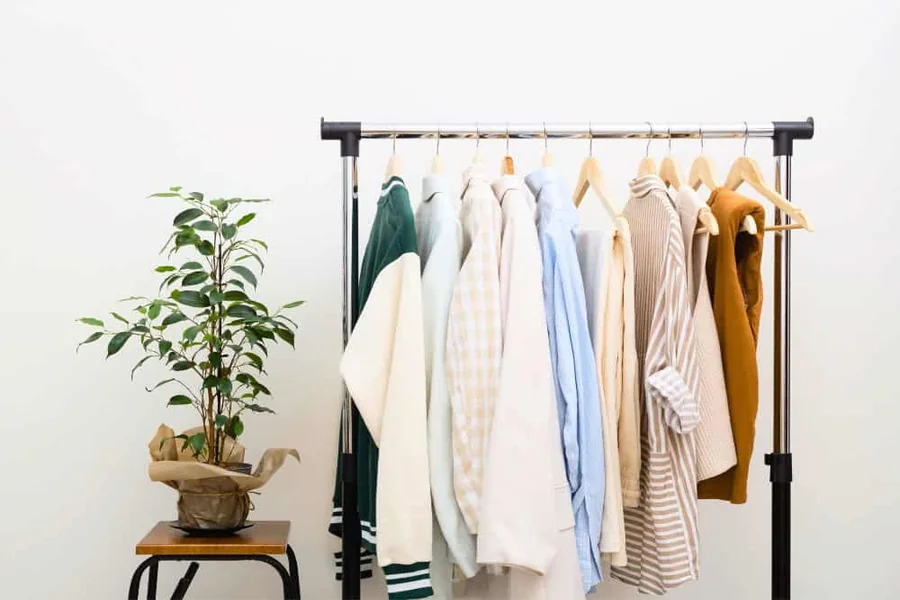
Building a minimalist sustainable wardrobe has become a key focus for many people who want to reduce their environmental impact while still maintaining a stylish and functional closet. The minimalist approach to fashion encourages individuals to focus on quality over quantity, making thoughtful purchases that contribute to a more sustainable lifestyle. By selecting pieces that are versatile, durable, and ethically produced, you can curate a wardrobe that is not only sustainable but also timeless and easy to maintain.
In this article, we’ll walk you through the essential steps to create a minimalist sustainable wardrobe that combines style, functionality, and ethical responsibility. From understanding the principles of minimalist fashion to identifying sustainable fabric choices, we’ll help you make informed decisions that align with your personal values and the planet’s needs.
Why Create a Minimalist Sustainable Wardrobe?
A minimalist wardrobe is built around the idea of having fewer, but better, pieces that serve multiple purposes and are versatile enough to wear for various occasions. This approach is in direct contrast to the fast fashion industry, which encourages overconsumption by constantly promoting new trends and cheap, disposable clothing. Watch recommendations shine on Morris Time.
The concept of sustainable fashion goes hand-in-hand with minimalism, focusing on long-lasting clothing made from eco-friendly materials, produced under ethical conditions, and designed to reduce waste. By curating a wardrobe with these principles in mind, you’ll not only reduce your carbon footprint but also ensure that your clothing choices reflect your commitment to a more sustainable future.
Here are the main reasons to create a minimalist sustainable wardrobe:
- Environmental Impact: Reduces the need for fast fashion, which contributes to pollution, waste, and the depletion of natural resources.
- Cost-Effective: Investing in quality, long-lasting pieces rather than constantly buying cheap, trend-driven items saves money over time.
- Time-Saving: A minimalist wardrobe simplifies your daily decisions by offering versatile and functional clothing options that suit all occasions.
- Ethical Fashion: Supporting brands that prioritize fair labor practices, ethical sourcing, and sustainable manufacturing methods ensures that your clothing is produced responsibly.
Now, let’s break down how you can create a minimalist sustainable wardrobe step by step.
Step 1: Declutter Your Current Wardrobe
The first step in building a minimalist sustainable wardrobe is to declutter your current closet. The key is to let go of items that no longer serve you or align with your sustainable goals. This process involves being honest about what you wear, what you need, and what you’re simply holding onto due to sentimental value or excess.
Tips for Decluttering:
- Start by sorting: Separate your clothes into categories such as “keep,” “donate,” “sell,” and “recycle.” Be honest with yourself—if an item hasn’t been worn in over a year or doesn’t fit your current lifestyle, it’s time to part ways with it.
- Examine quality: Keep pieces that are made from high-quality, durable fabrics that you can wear for years to come. Avoid keeping items made from synthetic fibers or cheap fabrics that won’t last.
- Consider versatility: Keep pieces that are versatile and can be dressed up or down for different occasions. Aim for clothing that can be mixed and matched easily.
- Donate or sell: Items that are still in good condition can be donated to charity or sold online, giving them a second life. This prevents them from ending up in a landfill.
Once you’ve decluttered, you’ll have a better understanding of what you have and what’s missing from your wardrobe. This will help you make more intentional decisions when selecting new clothing.
Step 2: Identify Your Personal Style and Needs
Before adding new pieces to your wardrobe, take time to define your personal style. Think about your daily life, the climate where you live, and your work or social commitments. A minimalist wardrobe should reflect your lifestyle and priorities.
Ask yourself these questions:
- What activities make up my daily routine (e.g., work, exercise, leisure)?
- Do I need formal clothing, or is my wardrobe mostly casual?
- How often do I attend events that require special attire?
- What colors, cuts, and styles make me feel most confident and comfortable?
By understanding your unique style and needs, you can curate a wardrobe that truly fits your life, eliminating the need for excess items that serve no purpose.
Define Your Capsule Wardrobe:
A capsule wardrobe is a set of essential clothing items that can be mixed and matched to create a variety of outfits. The goal is to keep your wardrobe simple while ensuring that each piece serves a specific function.
A minimalist capsule wardrobe might include:
- A few pairs of well-fitting jeans or trousers.
- A couple of versatile dresses for both work and casual outings.
- A few basic tops in neutral colors that pair well with different bottoms.
- A classic jacket or coat that can be layered over any outfit.
- Comfortable shoes that suit various occasions, such as sneakers, flats, or boots.
- Neutral accessories such as scarves, hats, and bags that can complete an outfit.
Step 3: Choose Quality Over Quantity
One of the key principles of minimalist fashion is quality over quantity. Instead of buying many cheap, fast fashion items, focus on investing in well-made, durable clothing that will last for years.
What to Look for in Quality Clothing:
- Fabric: Natural fibers like organic cotton, hemp, linen, bamboo, and wool tend to be more durable and sustainable than synthetic fibers like polyester or nylon. Look for fabrics that are breathable, soft, and long-lasting.
- Craftsmanship: Pay attention to the construction of the garment. Look for neat stitching, strong seams, and reinforced areas that will withstand wear and tear.
- Timeless Design: Choose classic styles that won’t go out of fashion and can be worn year after year. A minimalist wardrobe thrives on versatile pieces that won’t lose their appeal.
- Ethical Brands: Choose brands that prioritize sustainable sourcing, fair labor practices, and eco-friendly manufacturing methods. Look for certifications like GOTS (Global Organic Textile Standard), Fair Trade, or OEKO-TEX Standard 100 to ensure the brand’s commitment to ethical fashion.
Step 4: Opt for Versatile and Multi-Functional Pieces
The core of a minimalist wardrobe is versatility. Opt for pieces that can be styled in multiple ways, allowing you to create many outfits from a small number of items. Look for multi-functional clothing that can serve various purposes, such as a dress that can be worn casually with sandals or dressed up with heels, or a jacket that can be layered over both dresses and pants.
Essential Versatile Pieces:
- Basic T-shirts and blouses in neutral colors like white, black, or grey, which can be paired with almost anything.
- Denim jeans or trousers that fit well and can be dressed up or down.
- Cardigans, blazers, or jackets that can be layered over any outfit to add sophistication or warmth.
- Dress shoes or sandals that are both stylish and practical for different settings.
By carefully selecting these versatile pieces, you’ll maximize the potential of your wardrobe while minimizing unnecessary items.
Step 5: Embrace Eco-Friendly Fabrics
Sustainability should be at the forefront of your wardrobe choices. Opt for fabrics that are made from natural, renewable materials and are produced using ethical practices. Some popular sustainable fabrics include:
- Organic Cotton: Grown without pesticides or synthetic fertilizers, organic cotton is gentle on the environment and your skin.
- Linen: Made from the flax plant, linen is a biodegradable fabric that requires less water and chemicals to produce.
- Hemp: A highly durable, fast-growing plant, hemp fabric is both eco-friendly and long-lasting.
- Tencel (Lyocell): Made from sustainably sourced wood pulp, Tencel is biodegradable and produced using a closed-loop system, minimizing waste and chemical use.
These eco-friendly fabrics not only help reduce your environmental impact but also add an extra layer of comfort and durability to your wardrobe.
Step 6: Care for Your Clothes to Extend Their Lifespan
A key component of a minimalist sustainable wardrobe is longevity. The longer your clothes last, the fewer items you need to buy, and the less waste you create. Proper care for your clothing will ensure that it stays in good condition for years.
Tips for Caring for Your Clothes:
- Wash in cold water to reduce energy consumption and preserve fabric quality.
- Air dry clothes whenever possible, as using a dryer can cause wear and tear over time.
- Store items properly by folding or hanging them to maintain their shape.
- Repair damaged clothing instead of discarding it. Small repairs can greatly extend the life of a garment.
By investing time in taking care of your clothing, you reduce the need for constant replacements and contribute to a more sustainable lifestyle.
Conclusion: Build a Minimalist Sustainable Wardrobe That Reflects Your Values
Creating a minimalist sustainable wardrobe is about more than just reducing the number of clothes you own; it’s about being intentional with your choices and prioritizing quality, versatility, and ethics. By decluttering your closet, defining your style, investing in high-quality, eco-friendly fabrics, and taking care of your clothing, you can create a wardrobe that is not only stylish and functional but also aligns with your commitment to a sustainable future.
Incorporating these practices into your fashion choices will help you build a timeless wardrobe that’s both practical and responsible. By embracing a minimalist approach, you’re not only simplifying your life but also contributing to a greener, more ethical fashion industry.