How Remote Vibration Monitoring Extends Equipment Life
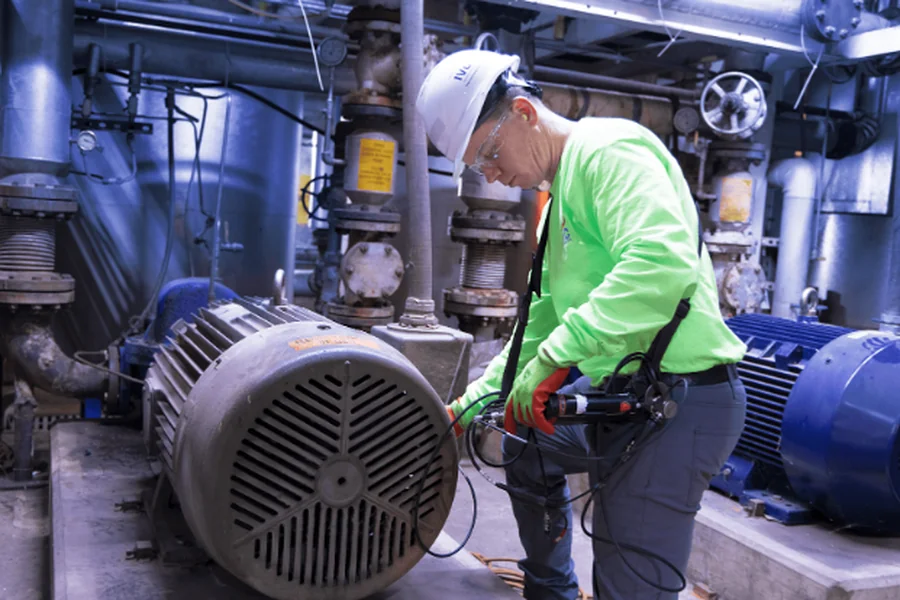
Downtime of machinery in an industrial setting can lead to unexpected repair costs, higher operating costs, and lost productivity. Consequently, asset-heavy sectors like manufacturing, mining, and energy have made predictive maintenance a top priority. Remote vibration monitoring is one of the best tools for predictive maintenance. This technology allows for the early identification of mechanical problems before they become more serious by continuously monitoring the vibrational patterns of equipment. This not only prolongs the life of vital machinery but also lowers the chance of catastrophic failure.
Recognizing the Value of Vibration Monitoring
Measuring the oscillatory motion of machine parts like gears, shafts, and bearings is known as vibration monitoring. Machine vibration patterns stay within a predictable range when they are operating normally. However, deviations are frequently brought on by looseness, imbalance, wear and tear, and misalignment. Vibration analysis can identify these irregularities well in advance of a breakdown. This is furthered by remote vibration monitoring, which eliminates the need for manual inspections by continuously collecting and analyzing data via wireless sensors and cloud-based platforms. This method ensures 24-hour monitoring of even difficult-to-reach equipment, minimizes human error, and lowers labor costs.
Early Fault Detection to Avoid Equipment Failure
The capacity of remote vibration monitoring to identify early indications of mechanical failure is among its most persuasive advantages. For example, minor variations in frequency or amplitude could be a sign of a bearing problem that, if ignored, could result in complete system failure. It’s possible that conventional maintenance procedures won’t notice these subtle indicators until it’s too late. When vibration readings surpass predetermined thresholds, alerts can be set off with continuous remote monitoring. After that, maintenance crews can take proactive measures to address the underlying issue before it results in expensive repairs or a halt in production. Unplanned outages are avoided and operational reliability is greatly increased by this predictive capability.
Increasing Equipment Lifespan with Data-Informed Choices
Early fault detection and proactive machinery maintenance naturally result in longer equipment lifespans. Maintaining machines in top operating condition lessens the strain on their parts, resulting in fewer overhauls and replacements. This compounding effect eventually results in considerable capital expenditure savings. Additionally, instead of hastily replacing malfunctioning equipment, businesses can strategically plan asset upgrades. This long-term asset management strategy is supported by practical remote machine vibration monitoring services, which provide the information required to accurately estimate remaining useful life and track degradation trends, so check them out ASAP.
Enhancing Scheduling and Maintenance Efficiency
Remote vibration monitoring streamlines the entire maintenance procedure in addition to assisting in the detection of possible problems. Teams can use real-time data to inform decisions rather than strict, calendar-based maintenance schedules. By switching from reactive to predictive maintenance, resources are distributed effectively, and equipment is only serviced when required. Consequently, maintenance expenses are decreased, and downtime is decreased. Further improving performance and efficiency, the historical data gathered by remote sensors offers insightful information that can be utilized to improve future maintenance plans.
Connectivity to Industry 4.0 and IoT Initiatives
Remote vibration monitoring fits in well with larger initiatives for digital transformation, such as Industry 4.0 and the Internet of Things (IoT). The goal of these projects is to improve manufacturing’s intelligence, connectivity, and responsiveness to current circumstances. A complete picture of the condition of the equipment can be obtained by integrating vibration sensors with other monitoring systems, such as those for temperature, pressure, and acoustics. This data becomes even more potent when combined with AI-driven analytics, which makes automated decision-making and predictive insights possible. Companies that incorporate remote vibration monitoring into their digital strategy put themselves in a position to increase productivity, cut waste, and maintain their competitiveness in a world that is becoming more and more data-driven.
The way that industries maintain and preserve their expensive equipment has changed dramatically as a result of remote vibration monitoring. The provision of consistent, precise, and actionable data enables maintenance teams to identify problems early, minimize downtime, and prolong the lifespan of vital equipment. It encourages a more strategic, data-driven approach to asset management in addition to immediate cost savings. Vibration monitoring will become even more capable as technology develops by combining it with IoT and AI solutions. Using remote vibration monitoring is now essential for businesses looking to increase dependability, security, and return on investment.