Gaps in Your Smile: Understanding the Broader Implications of Tooth Loss
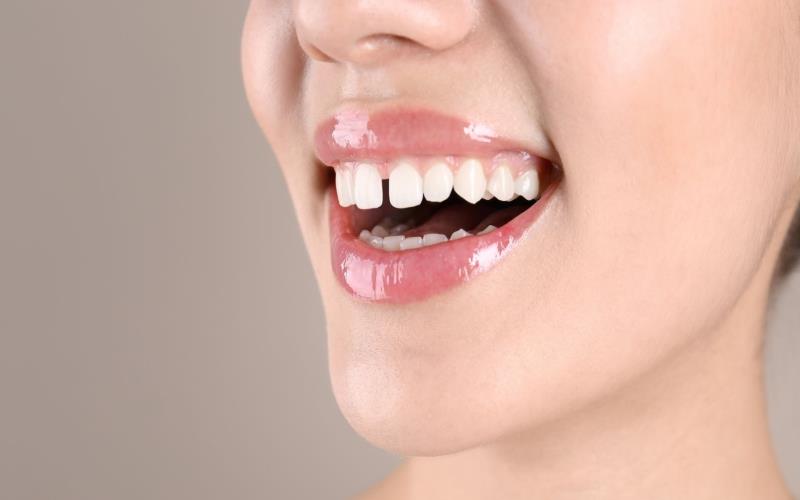
Tooth loss is often seen as a cosmetic issue, primarily affecting one’s smile, but complete dentures can provide a functional and aesthetic solution to restore both form and function. However, the implications of losing teeth extend far beyond aesthetics. It can have profound effects on physical health, emotional well-being, and even social interactions. In this blog post, we will explore the various consequences of tooth loss and why addressing this issue is essential for overall health.
The Physical Implications of Tooth Loss
1. Impacts on Oral Health
When a tooth is lost, the immediate concern may be the gap it leaves behind, but the repercussions are more significant. Surrounding teeth can shift to fill the space, leading to misalignment. This misalignment can create issues with bite, making it difficult to chew effectively. Additionally, uneven wear on remaining teeth can occur, increasing the risk of cavities and further tooth loss.
The loss of a tooth can also result in bone resorption, a process where the jawbone begins to deteriorate due to lack of stimulation. Teeth help maintain bone density through the forces exerted during chewing. Without that stimulation, the jawbone can weaken over time, leading to a sunken appearance in the face and further oral health complications.
2. Complications with Eating and Nutrition
Tooth loss can significantly affect one’s ability to chew and eat a balanced diet. Many people may avoid hard, crunchy, or chewy foods that require more chewing, opting instead for softer options. This dietary shift can lead to nutritional deficiencies, as individuals may miss out on essential vitamins and minerals found in fruits, vegetables, and whole grains.
Moreover, the difficulty in chewing can lead to digestive issues, as food that is not adequately broken down can cause gastrointestinal discomfort. Over time, these eating habits can lead to weight gain or unhealthy weight loss, both of which carry their health risks.
3. Speech and Communication Challenges
Teeth play a crucial role in speech. They help form sounds and words, and their absence can lead to speech impediments. Individuals with missing teeth may find it challenging to pronounce certain sounds clearly, which can affect communication. This challenge can lead to frustration, social anxiety, and a reluctance to engage in conversations, impacting personal and professional relationships.
The Emotional and Psychological Effects of Tooth Loss
4. Impact on Self-Esteem and Confidence
The psychological effects of tooth loss are often profound. Many individuals experience a decline in self-esteem due to their appearance. A gap-toothed smile can lead to feelings of embarrassment and self-consciousness, making people hesitant to smile, laugh, or engage socially. This change in behavior can create a vicious cycle, as isolation may exacerbate feelings of depression or anxiety.
Research indicates that oral health is closely linked to overall mental health. The stigma associated with tooth loss can lead to social withdrawal and an increased risk of mental health issues. Many individuals may find themselves avoiding social gatherings, which can further reinforce feelings of loneliness and inadequacy.
5. Social and Economic Implications
The broader societal implications of tooth loss cannot be overlooked. Individuals with missing teeth may face discrimination, whether in personal relationships or the workplace. Studies have shown that people with dental issues are often perceived as less competent or trustworthy, potentially affecting job prospects and career advancement.
In addition to social stigma, tooth loss can also lead to financial strain. The costs associated with dental implants, dentures, or other restorative procedures can be significant, particularly for those without insurance coverage. The financial burden of addressing tooth loss can lead to stress and anxiety, further impacting mental health.
Addressing Tooth Loss: Prevention and Solutions
6. Preventive Measures
Preventing tooth loss is crucial for maintaining oral and overall health. Regular dental check-ups, good oral hygiene practices, and a balanced diet can help minimize the risk of tooth decay and gum disease, which are the leading causes of tooth loss.
Additionally, individuals should be aware of the importance of wearing protective gear during contact sports to prevent dental injuries. Quitting smoking and limiting alcohol consumption can also significantly improve oral health and reduce the risk of tooth loss.
7. Restorative Options
If tooth loss occurs, there are several restorative options available. Dental implants in Chula Vista, bridges, and dentures can help restore functionality and aesthetics, improving quality of life. Consulting with a dental professional to explore these options is essential for those experiencing tooth loss.
In Conclusion
Tooth loss can have far-reaching implications that go beyond an incomplete smile. Understanding the physical, emotional, and social effects is crucial for those affected. Addressing tooth loss proactively can help maintain overall health and well-being. Whether through preventive measures or restorative treatments, taking action can lead to improved confidence, better nutrition, and a more fulfilling social life. Remember, a healthy smile is not just about aesthetics; it’s about the overall quality of life.