A Clear Guide to Elderly Home Care Services in Lincoln
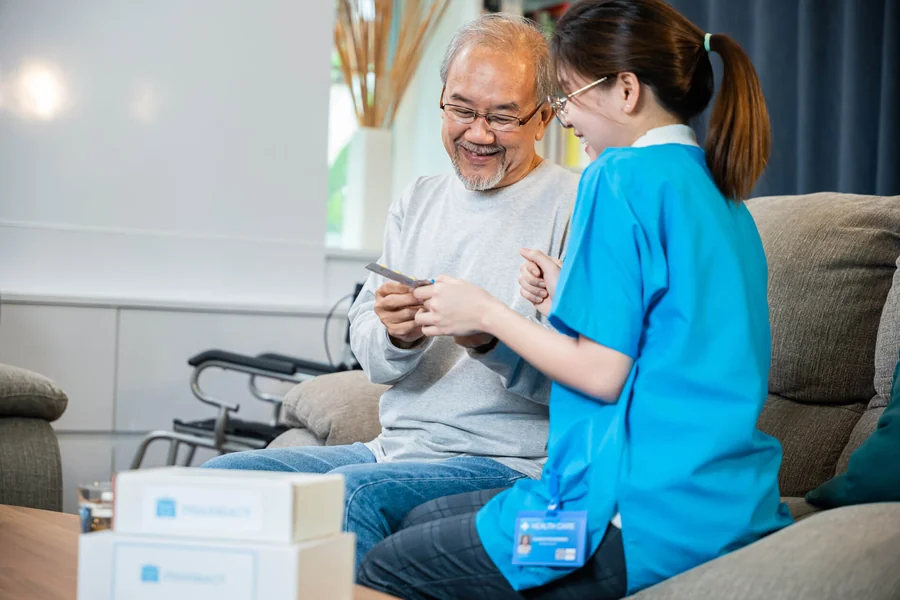
As people grow older, the kind of support they need often changes in quiet but meaningful ways. Some seniors remain highly independent but need help with a few daily tasks. Others may require more consistent assistance because of mobility issues, memory concerns, illness, or recovery after a hospital stay. In many cases, families want to provide that support themselves, yet they quickly realize that love and availability are not always the same thing.
That is where elderly home care services in Lincoln can make a real difference. Home care allows older adults to receive help while staying in familiar surroundings, close to their routines, belongings, neighbors, and memories. For many seniors, that matters deeply. Home is not just a place. It is where they feel most secure and most like themselves.
Families often begin looking into care after a noticeable change. A parent may start forgetting medications, skipping meals, struggling with bathing, or feeling lonely after losing a spouse. Sometimes the need becomes obvious after a fall or a hospital discharge. At other times, it builds slowly over months. Either way, the goal is usually the same: to find dependable support that protects safety, dignity, and quality of life.
The good news is that home care today is far more flexible than many people expect. Services can range from a few hours of companionship each week to daily personal care, skilled nursing, or specialized support for chronic conditions. Understanding how these services work can help families make decisions with more confidence and less stress.
Why Home Care Has Become So Important for Older Adults
Most seniors prefer to remain at home for as long as possible. That preference is not simply about comfort. It is often tied to independence, familiarity, and emotional well-being. A home environment can help older adults feel more grounded, especially when life is already changing in other ways.
Moving into a care facility is sometimes necessary, but it is not always the first or best step. For many families, elderly home care services in Lincoln offer a practical middle path. Seniors can receive support without giving up the routines and surroundings that matter to them.
This also benefits families. Adult children and relatives may want to help, but they may be balancing jobs, young children, health issues of their own, or living at a distance. Professional home care can ease that pressure while giving families peace of mind that their loved one is not facing each day alone.
Aging in Place Often Supports Emotional Health
There is a strong emotional advantage to staying home. Familiar rooms, treasured belongings, favorite chairs, and known routines help many seniors feel calmer and more secure. This can be especially important for those dealing with anxiety, grief, or memory changes.
Support Can Be Added Gradually
One of the strengths of home care is that it does not have to begin all at once in a major way. A senior may start with light help a few days a week and then add more services as needs change. That flexibility makes the transition feel less overwhelming.
What Elderly Home Care Services Usually Include
Many people hear the phrase home care and assume it means one fixed type of help. In reality, care can include a wide range of services. The right mix depends on the senior’s health, daily routine, mobility, and personal preferences.
Some older adults mainly need help with tasks that have become physically difficult. Others need supervision, medication reminders, meal support, or social interaction. In more advanced situations, home care may include nursing services or therapies coordinated with medical providers.
A strong provider of elderly home care services in Lincoln will usually begin by understanding the whole picture rather than pushing a standard package. That means asking about physical needs, emotional well-being, safety concerns, and what kind of routine the senior wants to maintain.
Personal Care Assistance
Personal care often includes help with bathing, dressing, grooming, toileting, walking, and getting in and out of bed or chairs. These are deeply personal tasks, so they require skill as well as compassion.
When handled well, this kind of support protects dignity instead of taking it away. It allows seniors to remain clean, comfortable, and safe without feeling rushed or embarrassed.
Meal Preparation and Nutrition Support
Eating well becomes harder for some seniors, especially when energy is low or cooking feels physically demanding. Home care can include meal planning, grocery help, light cooking, and reminders to eat and stay hydrated.
This type of support is often more important than families first realize. Good nutrition affects strength, mood, immunity, and recovery.
Medication Reminders
Missed medications, duplicate doses, or confusion about prescriptions can quickly lead to health complications. Caregivers can help seniors stay on track by providing reminders and observing whether medications are being taken properly.
Companionship Is a Bigger Need Than Many Families Expect
Not every care need is medical or physical. Loneliness can quietly shape a senior’s daily life in serious ways. A person who once had a busy household may now spend long hours alone. Even when family members visit regularly, there may still be long stretches of silence, isolation, and inactivity.
That is why companionship is such an important part of elderly home care services in Lincoln. A good caregiver does more than assist with tasks. They talk, listen, share meals, play games, go on short walks, and help bring warmth back into the day.
For many seniors, this social connection improves mood as much as any practical service. It can reduce feelings of depression, encourage more activity, and create a greater sense of stability.
Emotional Support Helps Seniors Stay Engaged
A senior who feels seen and included is often more willing to participate in meals, conversations, light exercise, hobbies, or appointments. Emotional support can gently pull someone back toward daily life.
Families Also Benefit From Companionship Care
When families know their loved one has regular social contact, it can ease a great deal of worry. Visits with family can then feel less like rushed check-ins and more like quality time.
In-Home Medical Support Can Fill an Important Gap
Some seniors need more than non-medical assistance. They may be recovering from surgery, managing chronic illness, or dealing with health conditions that require skilled oversight. In these cases, medical support in the home can be a valuable part of the care plan.
Depending on the situation, elderly home care services in Lincoln may be coordinated with nurses, therapists, or other healthcare professionals. This can include wound care, therapy exercises, monitoring vital signs, medication support, and follow-up after hospitalization.
Home-based medical care often helps reduce hospital readmissions because health issues are noticed and addressed earlier. It also allows the senior to recover in a more comfortable and familiar environment.
Recovery at Home Often Feels Less Stressful
After a hospital stay, many seniors feel tired, disoriented, or emotionally drained. Being home can help recovery feel more natural, especially when proper support is already in place.
Coordination Matters
The best outcomes often happen when caregivers, families, and medical professionals are communicating clearly. That helps everyone understand the care plan and any changes in health that need attention.
Signs It May Be Time to Consider Home Care
Families often wait longer than they should because the need develops gradually. It can be hard to tell the difference between ordinary aging and signs that more support is needed. Still, there are some patterns worth paying attention to.
A parent may begin wearing the same clothes repeatedly, forgetting appointments, leaving food uneaten, or losing interest in regular routines. The house may become harder to manage. Bills may go unpaid. Balance may become less steady. There may also be more anxiety, irritability, or withdrawal.
These signs do not always mean a crisis is near, but they do suggest that extra help could make life safer and less stressful. In many cases, starting elderly home care services in Lincoln earlier allows seniors to stay independent longer because problems are addressed before they escalate.
Falls or Near-Falls Should Not Be Ignored
Even one fall can change a senior’s confidence and create ongoing safety concerns. Near-falls matter too, because they often signal changes in balance, strength, or awareness.
Caregiver Burnout Is Also a Sign
Sometimes the clearest sign is not the senior’s condition alone. It is the exhaustion of the spouse, adult child, or relative trying to manage everything without enough support.
How to Choose the Right Home Care Provider
Choosing a provider is one of the most important parts of the process. Families are not just hiring help. They are inviting someone into a loved one’s personal space and daily life. Trust matters.
A reputable provider of elderly home care services in Lincoln should be clear about caregiver qualifications, supervision, scheduling, communication, and how care plans are developed. Families should feel comfortable asking detailed questions and paying attention to how thoughtfully the agency responds.
Look for Personalized Care Planning
Good care should not feel generic. Each senior has different needs, routines, preferences, health concerns, and personality traits. A strong provider should take time to learn those details.
Ask About Training and Oversight
Families should understand how caregivers are screened, what training they receive, and how the agency monitors care quality. This helps build confidence in both safety and consistency.
Notice Communication Style
If communication feels rushed or unclear before services even begin, that may signal future problems. Good home care depends on responsiveness and respectful communication with both seniors and families.
The Growing Role of Technology in Senior Home Care
Technology is making home care more effective in many situations. Medication reminders, remote check-ins, fall alerts, and telehealth visits can all support safer living at home. These tools do not replace human care, but they can strengthen it.
For families using elderly home care services in Lincoln, technology can add another layer of reassurance. A relative living across town or in another state may feel more connected when updates are timely and health concerns are noticed early.
At the same time, the human side of care remains the heart of the service. Devices can support routine and safety, but they cannot replace kindness, observation, and emotional connection.
Why Good Home Care Is About More Than Tasks
It is easy to think of care in terms of chores completed or appointments managed, but the true value of home care often goes deeper. Good care helps a senior feel respected. It protects daily rhythm. It reduces fear. It makes the home feel manageable again.
That is why elderly home care services in Lincoln are so meaningful for many families. The service is not only about what gets done. It is about how life feels while it is being done. A helpful caregiver can bring calm to the household, reduce conflict, and help restore a sense of normalcy during a season that may otherwise feel uncertain.
Creating a Safer and More Comfortable Future at Home
Aging brings change, but change does not always have to mean losing control or leaving home. With the right support, many seniors can continue living in familiar surroundings while receiving the help they genuinely need.
Elderly home care services in Lincoln provide families with practical options at a time when clear support matters most. Whether the need is companionship, personal care, recovery support, or more consistent daily assistance, home care can be tailored in ways that preserve both comfort and dignity.
For families who are unsure where to begin, the most helpful first step is often a simple one: take a closer look at daily life as it is now. If routines are becoming harder, if safety concerns are growing, or if loneliness is quietly taking a toll, support may already be needed. Starting that conversation early can open the door to better care, greater peace of mind, and a more stable path forward for everyone involved.