Why Scrap Metal Recycling Matters More Than Most People Realize
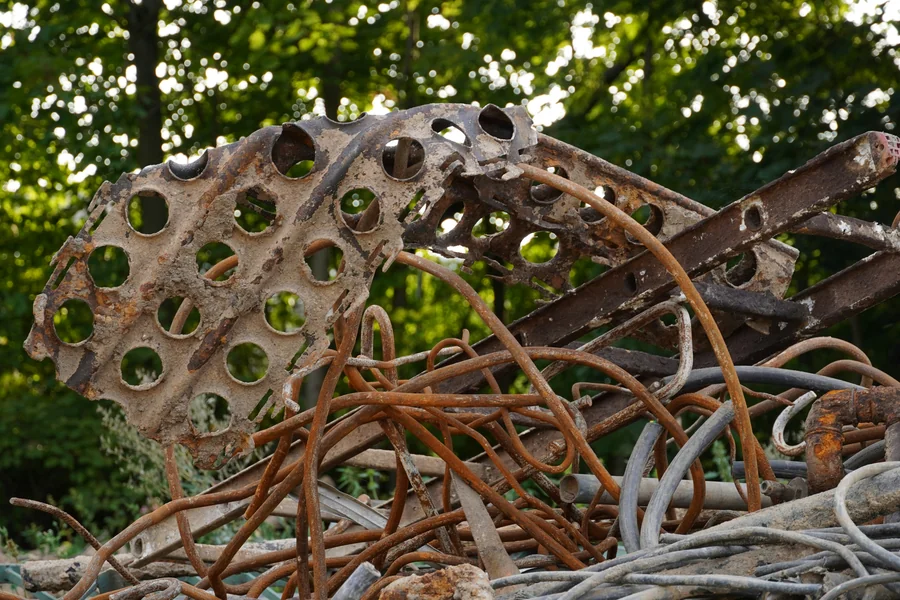
Scrap metal is easy to overlook. Old appliances, broken tools, leftover construction materials, and worn-out car parts often sit in garages or yards for years. Many people assume these items are simply junk.
In reality, scrap metal still holds value. When recycled properly, it becomes a resource that supports manufacturing, reduces waste, and keeps useful materials in circulation.
Recycling scrap metal is not only good for the environment. It also helps businesses and households clear space while putting unused materials back to work.
For many communities, it has become an essential part of responsible waste management.
What Scrap Metal Recycling Actually Means
Scrap metal recycling is the process of collecting, sorting, and reprocessing metal materials so they can be used again.
Instead of sending metal waste to landfills, recycling facilities separate and process these materials so manufacturers can melt them down and create new products.
Common metals that can be recycled include:
- Steel
- Aluminum
- Copper
- Brass
- Iron
These materials appear in many everyday items such as appliances, plumbing pipes, car parts, construction materials, and electronics.
Because metal can be melted and reused without losing strength, it remains one of the most recyclable materials available.
Why Recycling Metal Is Important
Recycling scrap metal helps conserve natural resources.
Mining new metal requires significant energy, land, and water. Extracting raw materials also creates pollution and environmental disruption. Recycling reduces the need for these activities by allowing existing metal to be reused.
The energy savings are significant. Recycling aluminum, for example, uses far less energy than producing new aluminum from raw ore. Steel recycling also saves large amounts of energy and reduces greenhouse gas emissions.
By recycling scrap metal, industries can continue producing essential materials while using fewer natural resources.
Scrap Metal Recycling Helps Reduce Waste
Landfills across the country already struggle with limited space. Large metal items such as appliances, machinery, and construction materials can take up significant room if they are thrown away.
When these materials are recycled instead, they are kept out of landfills and returned to the manufacturing cycle.
This approach reduces waste and helps communities manage disposal more responsibly.
It also prevents potentially harmful materials from sitting in landfills for long periods of time.
The Role of Scrap Yards and Recycling Facilities
Scrap metal recycling works because specialized facilities handle the sorting and processing.
Scrap yards collect metal from individuals, contractors, and businesses. Once the materials arrive, they are sorted based on metal type and quality.
The metals are then cleaned, processed, and prepared for melting and reuse.
A trusted scrap metal recycling company help ensure these materials are handled properly. Facilities like these provide the equipment, expertise, and processing systems required to recycle metal efficiently.
Without these facilities, large volumes of reusable metal would simply become waste.
Industries That Rely on Recycled Metal
Recycled metal supports a wide range of industries.
Manufacturers regularly use recycled materials to produce new products. This includes industries such as automotive manufacturing, construction, electronics, and consumer goods.
Steel and aluminum from recycled sources often appear in products such as:
- Building materials
- Vehicles
- Packaging
- Household appliances
- Infrastructure components
Because recycled metal retains its strength and durability, it can be used in many of the same applications as newly mined metal.
This helps keep manufacturing costs stable while reducing environmental impact.
Common Sources of Scrap Metal
Many people are surprised by how many everyday items contain recyclable metal.
Households and businesses often generate scrap metal through normal activities.
Common sources include:
- Old appliances like refrigerators, stoves, and washing machines
- Metal furniture or shelving
- Broken tools and equipment
- Car parts and automotive components
- Construction materials such as beams, pipes, and wiring
Instead of sending these items to the landfill, recycling facilities can recover valuable materials from them.
This turns waste into something useful again.
Scrap Recycling Supports the Local Economy
Scrap metal recycling also supports economic activity in many communities.
Recycling facilities employ workers who sort, process, and transport materials. They also support construction companies, demolition contractors, and manufacturers that depend on recycled metal.
Local recycling businesses often work closely with industries that generate scrap materials. This partnership helps keep valuable resources circulating within the economy.
Facilities help connect scrap collection with the larger recycling market, making it easier for businesses and individuals to recycle responsibly.
By turning scrap metal into usable material, recycling companies play a key role in the supply chain.
How Businesses Benefit From Scrap Recycling
Businesses that generate metal waste often benefit from recycling programs.
Construction companies, manufacturing plants, and automotive repair shops regularly produce scrap metal as part of their operations. Recycling these materials helps keep work areas clean while reducing disposal costs.
Some recycling facilities also pay businesses for valuable metals such as copper, aluminum, and stainless steel.
This creates an additional incentive to recycle rather than discard usable materials.
For companies that handle large amounts of metal, recycling becomes both a practical and financially responsible choice.
What Individuals Can Recycle
Individuals can also participate in scrap metal recycling in simple ways.
Many recycling facilities accept common household items that contain metal. This includes old lawn equipment, broken appliances, metal fixtures, and other durable goods.
Before bringing items to a recycling center, it is helpful to remove non-metal components if possible. This can speed up the sorting process and make recycling easier.
Local facilities can also provide guidance on which materials they accept.
For homeowners cleaning out garages, sheds, or renovation debris, recycling metal is often a straightforward solution.
Recycling Helps Build a Circular Economy
A circular economy focuses on reusing materials rather than discarding them after one use.
Scrap metal recycling fits perfectly within this model. Instead of mining new materials every time metal is needed, existing metal can be reused repeatedly.
This reduces the environmental impact of manufacturing while ensuring valuable resources remain available for future use.
Because metal does not degrade through recycling, it can remain part of this cycle indefinitely.
That makes scrap metal one of the most sustainable materials available.
Making Recycling Part of Everyday Practice
Recycling scrap metal does not require complicated systems or specialized knowledge. It begins with recognizing that metal waste still holds value.
Instead of discarding old appliances, equipment, or construction materials, individuals and businesses can bring these items to local recycling facilities.
From there, the metal enters a process that allows it to be reused in new products and infrastructure.
Small decisions like these add up over time. Each recycled item helps reduce waste, conserve resources, and support responsible manufacturing.
Scrap metal recycling may not always receive attention, but its impact is significant. It keeps valuable materials in circulation and helps build a more sustainable approach to managing the resources we rely on every day.