The Difference Between Toys That Entertain and Toys That Actually Develop Your Child
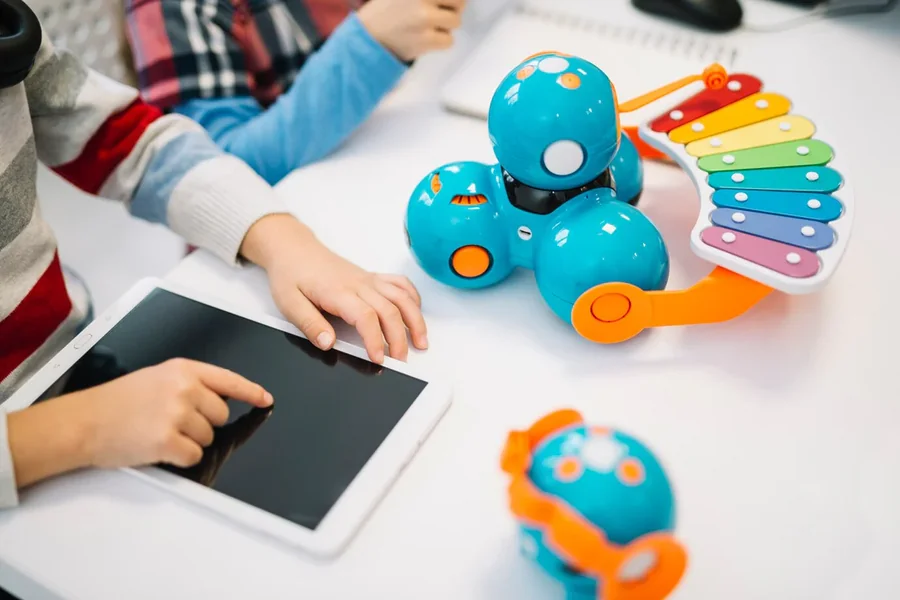
Not all toys are created equal. That sounds obvious, but the reality is that most households are filled with toys that do very little beyond occupy a child for a short window of time. Colourful, loud, and visually stimulating, yes. But genuinely useful in terms of building skills, encouraging creativity, or supporting development? That is a much shorter list. The distinction between a toy that entertains and one that actually contributes something meaningful to a child’s growth is worth understanding, especially when you consider how much money families spend on toys each year and how quickly most of them end up forgotten in the bottom of a bin.
What Developmental Play Actually Means
The phrase developmental toy gets used so often in marketing that it has almost lost meaning. But the underlying concept is real and worth paying attention to. Play is the primary way children learn during their early years. It is how they develop language, motor skills, social understanding, creativity, and problem-solving abilities. A toy that supports this process gives the child something to do, think about, figure out, or create. A toy that simply performs while the child watches is doing the developmental work itself rather than handing it to the child.
The distinction is not always obvious from packaging. A toy can look educational and still be entirely passive. Flashing buttons that play pre-recorded facts, for example, do very little for a child beyond surface-level stimulation. Compare that to a simple set of wooden blocks, which asks the child to plan, balance, problem-solve, and create. One looks more impressive. The other is far more valuable.
The Role of Open-Ended Toys
Open-ended toys are those that can be used in more than one way, ideally in an almost unlimited number of ways. Building sets, art materials, sand and water play tools, loose parts, figurines without a fixed narrative, and construction kits all fall into this category. What makes them valuable is that the child is always in charge of the direction of play. The toy does not dictate what happens. The child does.
This matters because child-led play is where the real developmental benefits live. When a child decides what to build, invents a story, solves a problem they set for themselves, or figures out how to make something balance, they are exercising cognitive and creative muscles in a way that no pre-programmed toy can replicate. Open-ended toys also tend to hold a child’s interest for significantly longer because the possibilities never run out. The same set of building pieces can become a house one day, a spaceship the next, and a maze the day after that.
Age Appropriateness Is Not Just About Safety
Most parents understand that toys come with age recommendations for safety reasons, particularly around choking hazards for younger children. But age appropriateness goes beyond safety. A toy that is too simple for a child’s current developmental stage will bore them quickly. One that is too complex will frustrate them and get abandoned. The sweet spot is what child development researchers call the zone of proximal development, which is essentially the space where something is slightly challenging but achievable with a little effort.
Toys that sit in this zone keep children engaged because they provide just enough challenge to make success feel satisfying. A puzzle that is slightly difficult but completable, a construction set that requires a bit of figuring out, a board game that introduces strategy without being overwhelming. These are the toys that children return to again and again because they feel rewarding to interact with.
Materials and Construction Tell You a Lot
The physical quality of a toy is a fairly reliable indicator of the thought that went into designing it. Toys made from solid wood, non-toxic paints, durable fabrics, and well-fitted components tend to come from manufacturers who care about the experience of the child using them. Toys made from brittle plastic with sharp edges and parts that break on first use tend not to.
This is not purely about aesthetics. Quality materials are safer, more pleasant to handle, and last long enough to be genuinely used rather than discarded after a few sessions. They also often hold their resale or hand-me-down value, which matters for families who think about the longer-term cost of what they buy. Choosing quality toys for kids rather than buying in volume is a mindset shift that most parents who make it do not regret.
Building a Toy Collection With Intention
Rather than accumulating toys in large numbers, a more useful approach is to think about what gaps exist in your child’s current play diet. Do they have something that supports physical movement and coordination? Something that encourages storytelling and imagination? Something that challenges them cognitively? Something that allows for creative expression? These four broad categories cover most of what children need from play, and you do not need a large number of toys to cover them well.
A small, well-chosen collection of thoughtfully made toys will almost always produce richer, more sustained play than a room full of things that were bought quickly and without much consideration. Children often play better with less, not because they are less stimulated, but because they are more focused. When everything is available all the time, nothing feels particularly special. When there are fewer things, each one gets more attention.
Buying fewer toys and buying them better is not a sacrifice. It is simply a smarter way to support your child’s development without the clutter, the waste, or the constant cycle of buying things that get forgotten within a week.