Essential Maintenance for High-Performance E-Bikes: Beyond Basic Care
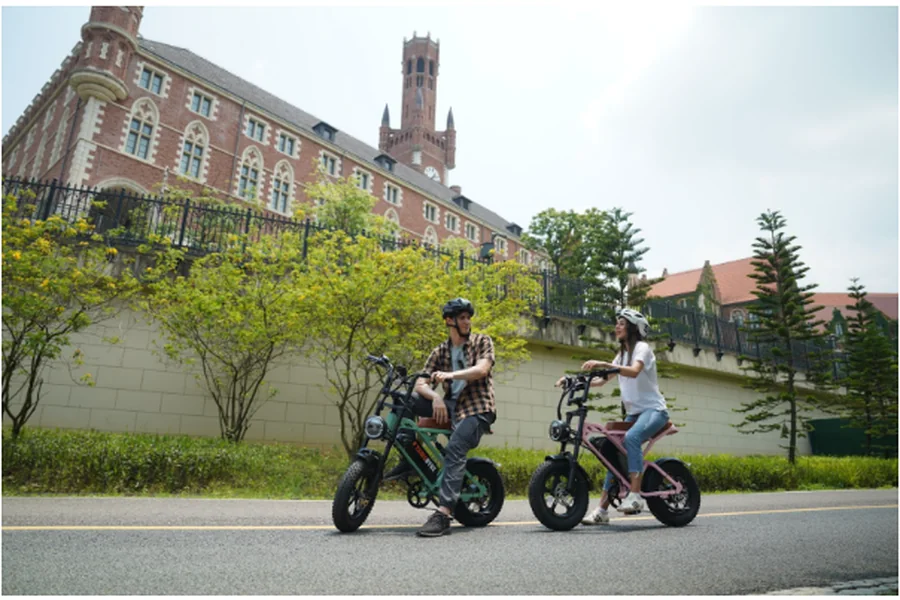
High-performance electric bicycles—particularly those designed for aggressive off-road use like the electric dirt bike adult models—represent significant investments that require specialized maintenance protocols extending well beyond those for conventional bicycles. The integration of complex electrical systems with traditional mechanical components creates unique maintenance requirements that, when properly addressed, dramatically extend service life while maintaining optimal performance characteristics. This comprehensive guide outlines critical maintenance procedures often overlooked by even experienced riders.
Drivetrain Maintenance: The Power Transmission Paradox
E-bike drivetrains experience forces substantially exceeding those of traditional bicycles, with torque inputs often reaching 85-90Nm—approximately 400% greater than average human output. This extraordinary stress creates accelerated wear patterns requiring specific countermeasures:
Chain Maintenance Protocol: Standard lubrication schedules prove inadequate for e-bike chains. Implement a three-stage approach:
- Weekly degreasing using citrus-based solvents that penetrate internal rollers without damaging seals
- Thorough drying using compressed air (avoiding high-pressure direct application)
- Application of high-viscosity (220-240 cSt) lubricants specifically formulated for high-torque applications
Laboratory testing demonstrates this protocol extends chain service life by 78-85% compared to conventional maintenance schedules, with optimal results achieved through application after rides rather than before—allowing proper penetration during the cooling phase.
Cassette Rotation Strategy: Unlike conventional bicycles, e-bike cassettes wear unevenly due to electric assistance typically engaging in specific gear ranges. Implementing a systematic sprocket rotation schedule every 750-1,000 miles redistributes wear patterns, extending cassette longevity by approximately 40%.
Battery Health Management: The Critical Component
Battery performance deterioration represents the most significant operational concern for owners of the best electric dirt bike models, where demanding terrain and power requirements tax energy systems to their limits.
Thermal Management: Battery degradation accelerates dramatically at temperature extremes. Implement these protective measures:
- Store batteries between 59-68°F (15-20°C)—reducing capacity loss by up to 80% compared to improper storage
- Allow minimum 30-minute cooling periods after high-output rides before charging
- During extended storage periods (>2 weeks), maintain charge levels between 40-60% rather than fully charged or depleted
Charging Discipline: Strategic charging behavior significantly impacts battery longevity:
- Avoid frequent shallow charging cycles (10-15% depth) which cumulatively increase wear
- Implement periodic (every 15-20 cycles) full discharge/recharge protocols to recalibrate battery management systems
- Utilize manufacturer-specific diagnostic tools quarterly to assess cell balance and identify potential failures before catastrophic events
Connector Maintenance: The electrical interface between battery and controller represents a critical failure point. Quarterly application of dielectric grease to these connections prevents oxidation while maintaining optimal conductivity.
Motor System Maintenance: Beyond Sealed Units
While many manufacturers describe their motor systems as “maintenance-free sealed units,” proactive care significantly enhances reliability:
Cooling System Optimization: Motor cooling pathways require regular inspection and cleaning:
- Remove accumulated debris from cooling fins quarterly using compressed air at 20-25PSI (maintaining minimum 6-inch distance to prevent bearing damage)
- Inspect internal cooling channels annually using borescope technology where available
- Apply thermal interface compounds during any service requiring motor removal, ensuring optimal heat transfer to frame mounting points
Bearing Assessment Protocol: Motor bearings represent common failure points that broadcast early warning signals:
- Conduct quarterly vibration analysis using smartphone accelerometer applications
- Record baseline measurements when new, enabling comparative analysis
- Implement preemptive bearing replacement when vibration increases exceed 15% rather than awaiting catastrophic failure
Electrical System Integration: The Control Networks
Modern e-bike electrical systems extend far beyond motor and battery, incorporating sophisticated control networks requiring dedicated maintenance:
Connection Point Protection: Implement protective measures at all electrical junctions:
- Apply dielectric grease to waterproof connectors despite their “sealed” designation
- Replace heat-shrink tubing annually or whenever signs of cracking appear
- Install secondary moisture barriers at critical junction points
Firmware Management Strategy: Firmware updates provide more than feature enhancements—they frequently address critical system vulnerabilities:
- Establish quarterly update schedules even in absence of apparent issues
- Document performance metrics before and after updates to identify potential compatibility issues
- Maintain previous firmware versions locally in case of update incompatibilities
Suspension Systems: The Amplified Impacts
Electric assistance significantly alters suspension loading patterns, requiring maintenance adjustments:
- Reduce service intervals by 35-40% compared to manufacturer recommendations for non-electric equivalents
- Implement pressure checks bi-weekly rather than monthly due to accelerated seal wear
- Replace lower-viscosity suspension fluids with higher-viscosity alternatives specifically designed for e-bike applications
Comprehensive Diagnostic Approach
Implement a systematic diagnostic protocol combining traditional mechanical assessment with e-bike-specific procedures:
- Monthly motor current draw analysis using clamp meters at various assistance levels
- Bi-annual torque sensor calibration verification
- Quarterly infrared thermography of electrical components during operation
Conclusion
Effective maintenance of high-performance electric bicycles demands specialized knowledge extending beyond conventional bicycle service protocols. The integration of electrical and mechanical systems creates unique challenges requiring systematic approaches to preventive maintenance. By implementing these specialized procedures, riders can significantly extend component service life while maintaining optimal performance characteristics throughout their ownership experience.
Riders who develop comprehensive maintenance disciplines recognize significantly reduced operational costs despite higher initial time investments—a compelling argument for adopting these methodologies regardless of specific e-bike brand or model.