5 Market Signals Showing How the Electric Bike Subsidy in Gujarat is Boosting Electric 2 Wheeler Adoption
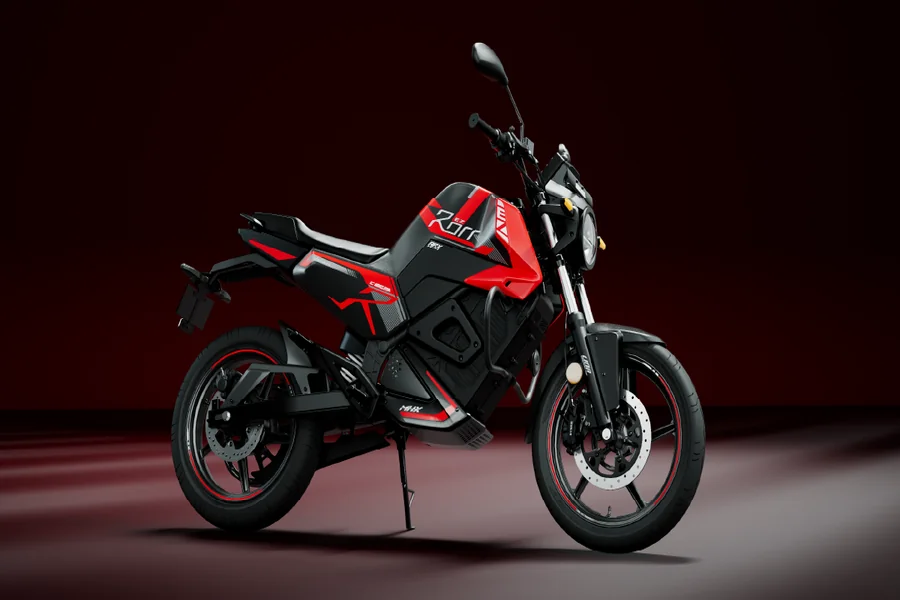
Gujarat has been moving faster than most states when it comes to electric two wheelers. And a big reason for that is simple: buying one here costs less than it does almost anywhere else in India. The state subsidy has taken a real chunk off the purchase price, and that has changed how people are thinking about electric bikes.
Here are five things happening in the market right now that show this shift is real.
1. Gujarat’s Electric 2 Wheeler Registrations Have Crossed 1.5 Lakh
Gujarat crossed 1.5 lakh electric two wheeler registrations in 2023–24. Compare that to what the numbers looked like three or four years ago and the difference is hard to miss.
The state’s EV policy gives buyers up to ₹20,000 off on electric two wheelers. For someone buying a bike in the ₹80,000 to ₹1,00,000 range, that is not small change. That saving is often what moves someone from “I’m thinking about it” to actually going to a showroom.
Gujarat also ranks consistently among the top five states in India for electric 2 wheeler sales volume. That is not a one-year fluke. The numbers have been climbing year on year since the policy came into effect. States with similar populations but no subsidy support are nowhere close to these figures. The policy has created a compounding effect: more buyers mean more word of mouth, which brings in even more buyers the following year.
No complicated reason here. Lower price, more buyers. The data shows that.
2. Electric Bike Showrooms are Spreading Into Gujarat’s Smaller Towns
If you want to know whether a market is actually growing, look at where new dealerships are opening. In Gujarat, electric two wheeler showrooms are now coming up in Morbi, Anand, Mehsana, Bharuch, not just Ahmedabad and Surat.
Dealers are not going to smaller towns on a hunch. They go where there is demand. The subsidy has made the price point work for buyers in these places too. That kind of geographic spread is a solid market signal.
What makes this more interesting is that smaller towns in Gujarat have different buying patterns. People there tend to hold onto vehicles longer and think harder before spending. The fact that they are now choosing electric 2 wheelers in growing numbers says something real about how the value proposition has shifted.
Service infrastructure is also building up alongside sales, and local mechanics are getting trained, spare parts availability is improving, and after-sales support is reaching places it simply was not present in two years ago. When the ecosystem starts building itself in tier-2 and tier-3 towns, it is a sign the market has real legs.
3. Gujarat is Building Charging Infrastructure Beyond Just Metro Cities
Range anxiety, worrying about where to charge, is still the most common reason people hold off on buying an electric vehicle. Gujarat has been chipping away at that problem steadily.
Charging stations are being added at petrol pumps, housing society parking areas, local markets, and at regular intervals on expressways. It is not perfect yet, but the direction is clear.
- Tier-2 towns like Rajkot and Vadodara now have public charging stations at bus stands and commercial areas.
- Many apartment complexes in Ahmedabad have installed chargers in the last two years.
- State highways have seen new fast-charging stations added through both government and private investment.
When people can see a charging point near where they live or work, the hesitation reduces. That is a practical change, not a marketing one.
4. Gujarat Buyers are Saving Close to ₹18,000 a Year by Switching
Petrol prices are not going down. And that has quietly made the cost comparison for electric two wheelers much easier to make.
Charging an electric bike costs around ₹0.15 to ₹0.20 per kilometre. Petrol bikes run at roughly ₹2 to ₹2.50 per kilometre right now. On a 30 km daily commute, that works out to savings of around ₹55 to ₹60 every single day. Across a year, that is close to ₹18,000 back in your pocket.
Servicing is cheaper too. Fewer parts, no oil changes, no spark plugs. Electric bikes just need less maintenance.
When you add this to the electric bike subsidy in Gujarat, reducing the upfront cost, the total ownership math starts making sense to a much wider group of buyers, not just people who want to be eco-friendly, but people who simply want to spend less.
5. Gujarat Showrooms are Seeing a Wider Mix of First-Time Buyers
The typical electric 2 wheeler buyer a few years ago was a younger, urban, tech-aware male. That profile is changing noticeably in Gujarat.
Dealerships across the state are seeing more women customers and older buyers who have never owned a two wheeler before. The reasons make sense when you think about it:
- Electric bikes are easier to handle: no gear changes, lighter to manoeuvre, quieter
- Most daily trips in towns and cities fall well within the battery range of current models
- The subsidy has brought prices to a level where an electric bike is a realistic second vehicle for a household
When completely new buyer groups start coming into a category, it means the product has stopped being a niche thing. In Gujarat, that is already happening.
What These Signals Add Up To
This is not one big moment of change. It is several smaller things moving together. Subsidies making purchase affordable, infrastructure reducing range worry, fuel savings making ownership sensible, and new kinds of buyers feeling comfortable enough to make the switch.
The electric bike subsidy in Gujarat has not worked alone. But it gave the market the push it needed to get moving. And right now, it is moving.